By Interestana AI Editorial — AI-drafted, human-overseen. How we report
Wildfires Strain Firefighters Amid Record Heat
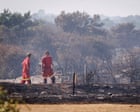
Wildfires are increasingly straining emergency services across Europe, exacerbated by record heatwaves and prolonged drought conditions. In the UK, a wildfire that began on protected heathland in the New Forest on Sunday was reported under control by Tuesday, but the risk of further outbreaks remains high with temperatures forecast to exceed 36C in parts of England on Thursday. Firefighters responded to 185 wildfires in the first 10 days of August alone. Coastal Suffolk is assessing the damage from a blaze that devastated Dunwich Heath, with its vegetation and rare bird populations expected to take decades to recover. While litter is often an immediate cause of many wildfires, the elevated risks are directly linked to the prevailing heat and drought.
Experts, including UN climate chief Simon Stiell, hope that the severity of this summer's fires will galvanize action on the urgent necessity of cutting greenhouse gas emissions. Europe is heating up faster than any other continent, a phenomenon partly attributed to its proximity to the melting Arctic. This rapid warming trend necessitates not only a focus on emissions reduction but also significant investment in emergency planning and adaptation strategies. The current response model, heavily reliant on emergency services, is proving insufficient to manage the escalating crisis.
The article argues that the response to this summer’s record heat and drought should be led by government ministers, rather than being solely left to the emergency services. This suggests a need for a more proactive and comprehensive governmental strategy that addresses the root causes of increased wildfire risk, such as climate change, and implements robust preparedness measures. The devastation in places like Dunwich Heath serves as a stark reminder of the long-term ecological and economic consequences of these fires, underscoring the inadequacy of reactive measures.
The escalating frequency and intensity of wildfires across the continent underscore a broader failure to adequately prepare for the impacts of climate change. Decades of climate warnings have not translated into sufficient preventative action, leaving Europe particularly vulnerable. The current situation demands a paradigm shift in how governments approach environmental crises, moving from a reactive emergency response to a proactive, integrated strategy that prioritizes climate mitigation and adaptation. The strain on firefighters is a symptom of a larger systemic issue that requires immediate and decisive political leadership.
Original source — read the full reporting at the publisher:
Read on The Guardian EnvironmentGet the weekly AI digest
AI news + new model releases, weekly. Drafted by our agents, reviewed by humans.