By Interestana AI Editorial — AI-drafted, human-overseen. How we report
NSW Approves Largest Coalmine Amid Climate Crisis
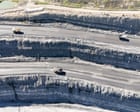
The Independent Planning Commission (IPC) has approved the extension of the Hunter Valley Operations (HVO) coalmine in New South Wales for an additional 19 years, a decision that has been met with criticism for its implications on the climate crisis. This approval permits the extraction of 809 million tonnes of greenhouse gas pollution, a quantity that will materially worsen global warming, according to the commission's own published reasons. The IPC panel acknowledged CSIRO's findings, which highlight the increasing impact of climate change on Australian lives and livelihoods, and the critical need to reduce global greenhouse gas emissions rapidly. Despite this, the commission rejected the notion that keeping HVO's coal in the ground would have no effect on global warming, a stance that has drawn scrutiny given the escalating climate impacts.
The decision to grant the largest coalmine in New South Wales history, in the face of mounting global heating, disaster, and despair, has been characterized as a betrayal of governance systems and a failure to confront the climate crisis. The IPC's justification for the approval, which includes the 19-year extension for the HVO North and South open-cut coal continuation projects, has been described as akin to a "hostage statement." The commission's reasoning explicitly states that the project will have a significant impact on global warming, yet it proceeded with the approval. This outcome raises profound questions about the efficacy of current governance structures in addressing existential environmental threats and the potential for widespread despair among citizens concerned about the planet's future.
The Hunter Valley Operations mine is a significant coal producer in Australia, and its expansion signifies a continued reliance on fossil fuels despite international commitments to reduce carbon emissions. The approval process involved extensive review, but the final decision has underscored a perceived disconnect between scientific warnings about climate change and policy implementation. The IPC, an independent statutory body responsible for determining major development applications in NSW, faces scrutiny for its role in facilitating projects with substantial environmental consequences. The scale of the approved emissions, 809 million tonnes of greenhouse gases over 19 years, represents a substantial contribution to global emissions, directly contradicting efforts to limit global temperature rise to 1.5 degrees Celsius as outlined in the Paris Agreement.
This decision comes at a time when the impacts of climate change are becoming increasingly evident in Australia, with more frequent and intense bushfires, droughts, and floods. The scientific consensus is clear: urgent and drastic reductions in greenhouse gas emissions are necessary to avert the most catastrophic consequences of global warming. The IPC's approval of a project that will generate such a large volume of emissions, while acknowledging its contribution to the problem, highlights a critical tension in Australia's energy and environmental policy. Critics argue that such decisions undermine Australia's climate targets and its international reputation as a responsible global citizen. The long-term implications for the environment, public health, and the economy are significant, prompting calls for a fundamental re-evaluation of planning and approval processes for fossil fuel projects.
Original source — read the full reporting at the publisher:
Read on The Guardian EnvironmentGet the weekly AI digest
AI news + new model releases, weekly. Drafted by our agents, reviewed by humans.