By Interestana AI Editorial — AI-drafted, human-overseen. How we report
Ancient Pharaohs' Public Statuary Lessons
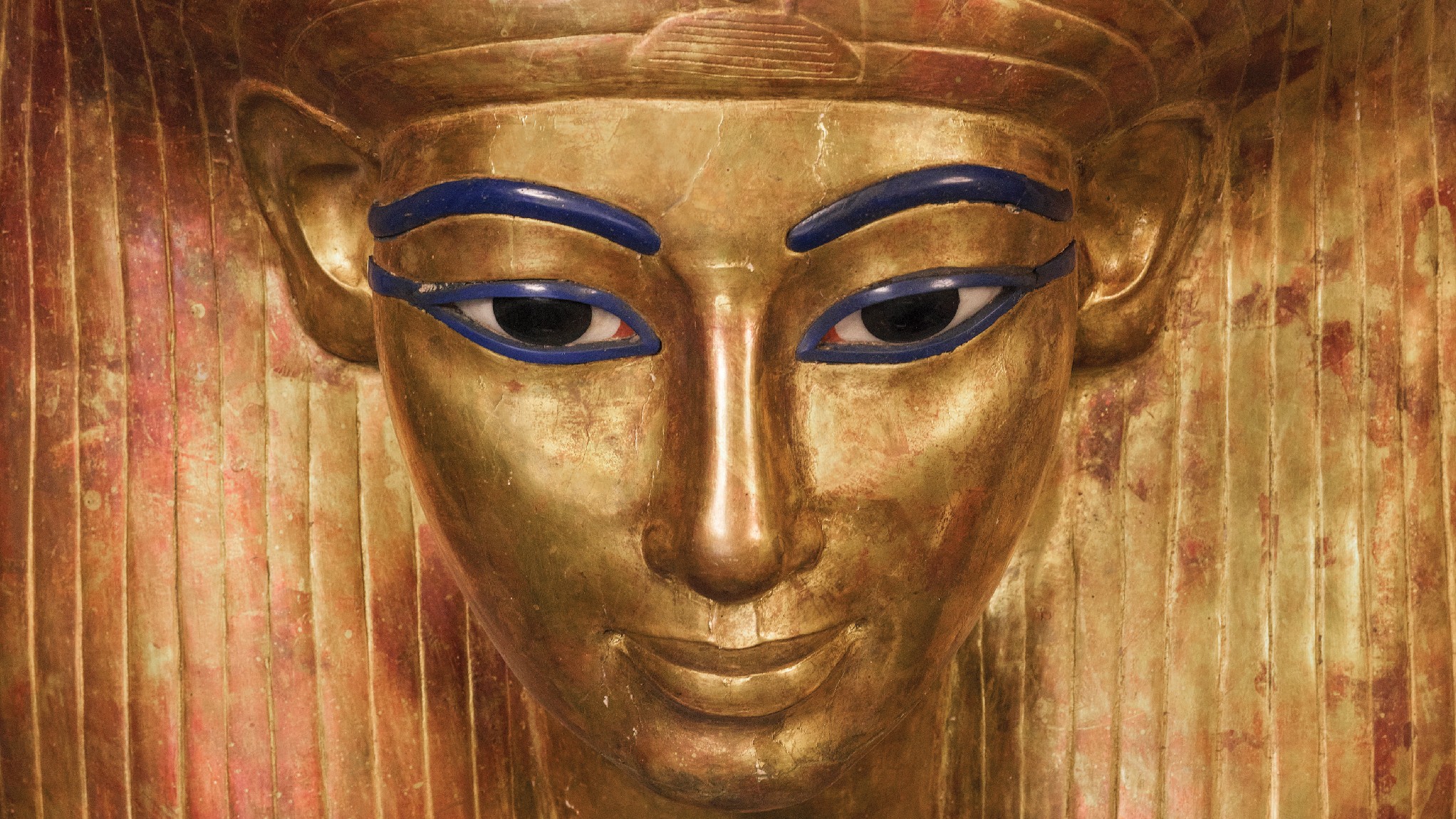
The monumental statuary commissioned by ancient Egyptian pharaohs, particularly during the Old Kingdom (circa 2686–2181 BCE) and New Kingdom (circa 1550–1070 BCE), provides a compelling case study in large-scale public art and its societal implications. These colossal works, often depicting the pharaohs themselves, served multiple purposes: reinforcing royal authority, commemorating achievements, and facilitating the pharaoh's journey to the afterlife. The sheer scale of projects like the Great Sphinx of Giza, carved from a single limestone outcrop, and the colossal statues of Ramesses II at Abu Simbel, demonstrate an unparalleled capacity for organization, resource management, and labor mobilization. These endeavors required meticulous planning, sophisticated engineering techniques for quarrying and transporting massive stone blocks, and a deep understanding of materials science to ensure longevity.
The pharaohs' strategy involved integrating statuary into broader architectural complexes, such as temples and tombs, creating immersive environments that communicated power and divinity. The deliberate placement of these monuments in prominent locations ensured widespread visibility, projecting the pharaoh's image and ideology across the land. The choice of durable materials like granite and limestone, coupled with skilled craftsmanship, resulted in artworks that have endured for millennia, offering invaluable insights into ancient Egyptian beliefs, social structures, and artistic conventions. The consistent representation of pharaonic power through these enduring forms underscores a deliberate and sustained effort to shape public perception and legacy.
Lessons from these ancient builders are relevant even today for contemporary projects involving large-scale public art and infrastructure. The pharaohs understood the power of enduring symbols to unify a populace and project a national identity. Their approach emphasized permanence, grandeur, and a clear, unambiguous message of authority and divine right. This contrasts with some modern public art, which can be ephemeral or abstract. The pharaohs' success lay in their ability to translate abstract concepts of power and divinity into tangible, awe-inspiring physical forms that resonated with their society. The long-term impact of their statuary serves as a testament to the enduring power of well-executed public monuments.
The construction of these monuments was not merely an act of artistic expression but a sophisticated exercise in political communication and social engineering. The resources dedicated to these projects, while vast, were strategically allocated to achieve maximum symbolic impact. The continuity of certain iconographic elements across different dynasties and reigns highlights a shared cultural understanding of what constituted effective royal representation. The pharaohs' legacy is, in large part, preserved and communicated through these enduring stone figures, which continue to captivate and inform audiences thousands of years later, demonstrating the profound and lasting influence of monumental public art.
Original source — read the full reporting at the publisher:
Read on The AtlanticGet the weekly AI digest
AI news + new model releases, weekly. Drafted by our agents, reviewed by humans.