By Interestana AI Editorial — AI-drafted, human-overseen. How we report
Great Plains Face Threat From Spreading Trees
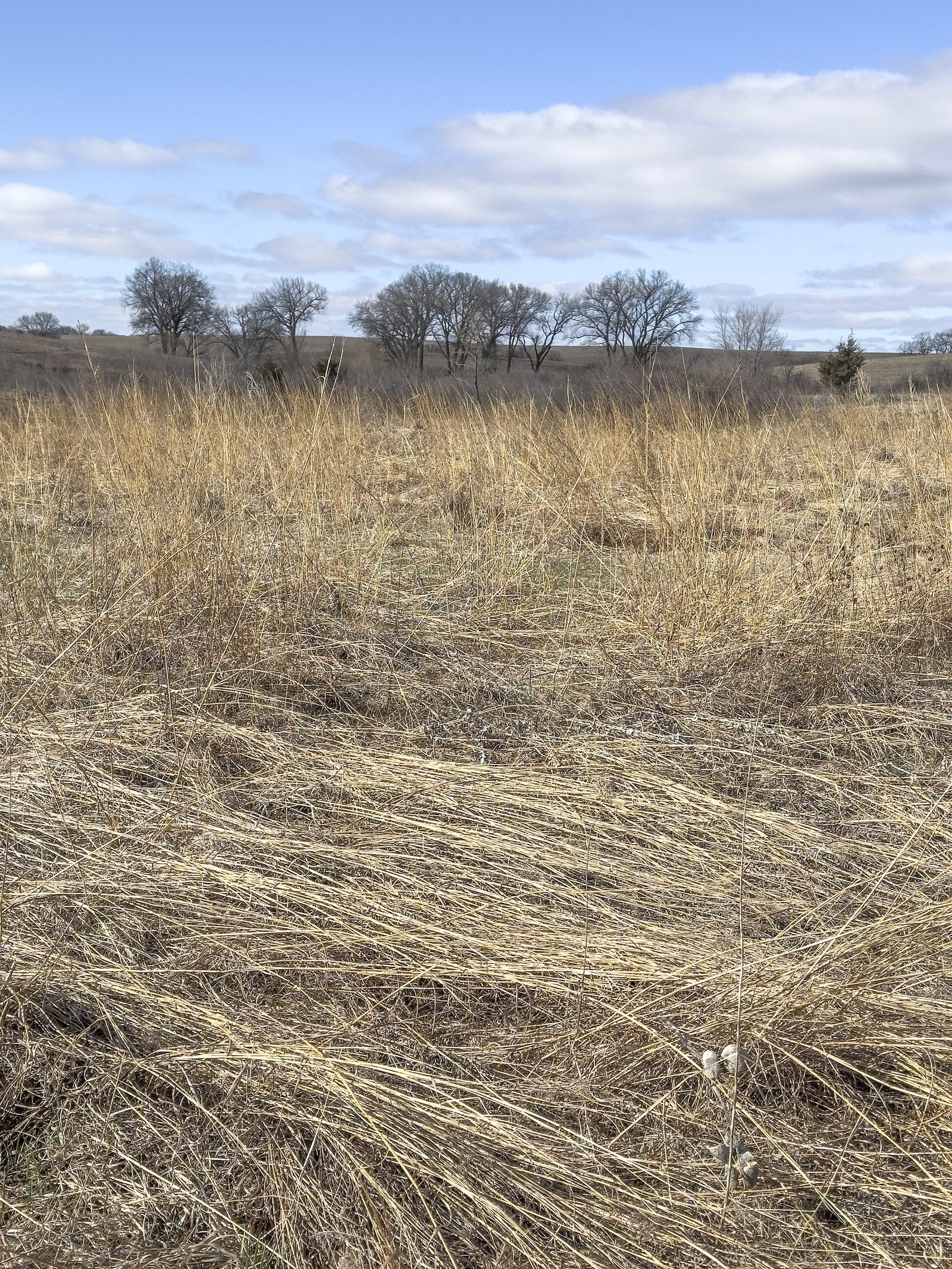
The Great Plains, particularly the Nebraska Sandhills, are experiencing a significant ecological shift characterized by the unchecked spread of trees, a phenomenon termed woody encroachment or the "green glacier." This slow creep of tree species over grasslands is raising alarms among ecologists and ranchers who are concerned about its impact on biodiversity and the traditional prairie landscape. Shelly Kelly, a rancher in the Nebraska Sandhills, observes this change firsthand, noting how trees, initially planted as windbreaks for livestock, are now proliferating across grazing lands. These windbreaks, often composed of Juniperus virginiana (eastern red cedar), were a common practice to protect calving heifers from harsh winds. However, their uncontrolled expansion poses a threat to the open prairie ecosystem.
For ranchers, the encroachment of trees directly translates to a reduction in available grazing land. The Texas A&M Agrilife extension estimates that woody encroachment across the 10 Great Plains states results in approximately $4 billion in lost range production. This economic impact is compounded by ecological concerns. Ecologists predict substantial biodiversity losses as trees outcompete native grasses and the flora and fauna adapted to grassland environments. The Spring Creek Prairie Audubon Center, located near Lincoln, Nebraska, actively works to conserve the tallgrass prairie ecosystem and its associated wildlife, highlighting the ongoing efforts to combat this ecological transformation. The spread of trees alters the habitat, potentially displacing species that rely on open grasslands for survival and reproduction.
The causes of this increased woody encroachment are multifaceted, often linked to changes in land management practices and historical factors. Following the Dust Bowl era, federal policies encouraged grassland conversion to agriculture and later, the suppression of natural fire regimes. Fire historically played a crucial role in maintaining prairie ecosystems by clearing out young trees and shrubs, allowing grasses to thrive. Without regular fires, trees that were once confined to riparian areas or scattered groves can now establish themselves more readily across the landscape. Furthermore, increased atmospheric carbon dioxide levels may also favor the growth of woody plants over grasses in some environments, although this aspect is still under active research and debate among scientists.
The implications of woody encroachment extend beyond immediate economic and biodiversity concerns. The altered vegetation structure can affect water cycles, soil health, and the overall resilience of the ecosystem to drought and other environmental stressors. Ranchers and conservationists are exploring various management strategies to control the spread of trees, including prescribed burning, mechanical removal, and targeted grazing. These efforts aim to restore a balance that supports both agricultural productivity and the preservation of the unique prairie ecosystem. The challenge lies in finding sustainable and cost-effective methods to manage the "green glacier" and protect the ecological integrity of the Great Plains for future generations.
Original source — read the full reporting at the publisher:
Read on GristGet the weekly AI digest
AI news + new model releases, weekly. Drafted by our agents, reviewed by humans.