By Interestana AI Editorial — AI-drafted, human-overseen. How we report
Great Lakes' Iconic Lake Whitefish Faces Extinction Due to Invasive Mussels
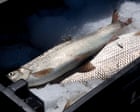
The lake whitefish, a species deeply intertwined with the history, culture, and economy of the Great Lakes region, is facing an unprecedented population crash that could relegate it to the annals of history. For centuries, this fish has been a significant food source and a cornerstone of Native American traditions. Its historical importance is vividly illustrated by a passage in the 1888 book "Sandusky of To-Day," which proclaimed Sandusky, Ohio, as the "largest fresh water fish market in the world." The book even dedicated an entire page to an image of the lake whitefish, celebrating it as "Sandusky's pride," underscoring its former abundance and economic value.
Researchers have pinpointed the primary culprit behind this dramatic decline: the unchecked proliferation of invasive mussels, specifically the zebra mussel (Dreissena polymorpha) and the quagga mussel (Dreissena rostriformis bugensis). These non-native species were inadvertently introduced into the Great Lakes, likely via ballast water discharged from transoceanic cargo ships. Their impact has been profoundly disruptive to the delicate aquatic ecosystem. By filtering vast quantities of water, these mussels consume phytoplankton, the microscopic plants that form the base of the Great Lakes food web. This drastic reduction in phytoplankton directly affects zooplankton populations, which are the primary food source for the larval and juvenile stages of the lake whitefish. Consequently, the survival rates for young whitefish have plummeted, leading to the current population crisis.
The ecological ramifications of the invasive mussels extend far beyond the plight of the lake whitefish. These aggressive invaders compete fiercely with native species for limited food resources and essential habitat. Their sheer numbers can lead to the smothering of native invertebrates and significantly alter water clarity, impacting light penetration and photosynthesis for other aquatic organisms. The Great Lakes, a vast and vital freshwater system that sustains millions of people and harbors immense biodiversity, are particularly susceptible to such ecological disturbances. The lake whitefish, as a native species that has historically thrived in these waters, serves as a critical bioindicator, reflecting the overall health and resilience of the entire Great Lakes ecosystem.
Efforts to mitigate the impact of the invasive mussels and to restore the lake whitefish population are proving to be exceptionally challenging. Traditional fisheries management techniques, such as implementing fishing quotas, are proving insufficient because they do not address the root cause of the problem: a fundamentally disrupted food web. Scientists are actively exploring a range of ecological interventions, but the immense scale and inherent complexity of the Great Lakes ecosystem present formidable hurdles. The long-term viability of the lake whitefish, and by extension the ecological integrity of the Great Lakes, hinges on the successful development and implementation of strategies to effectively combat the pervasive and destructive influence of these invasive species.
Original source — read the full reporting at the publisher:
Read on The Guardian EnvironmentGet the weekly AI digest
AI news + new model releases, weekly. Drafted by our agents, reviewed by humans.