By Interestana AI Editorial — AI-drafted, human-overseen. How we report
China's Mysterious Oil Surge Averts Global Energy Crisis, Leaving Experts Baffled
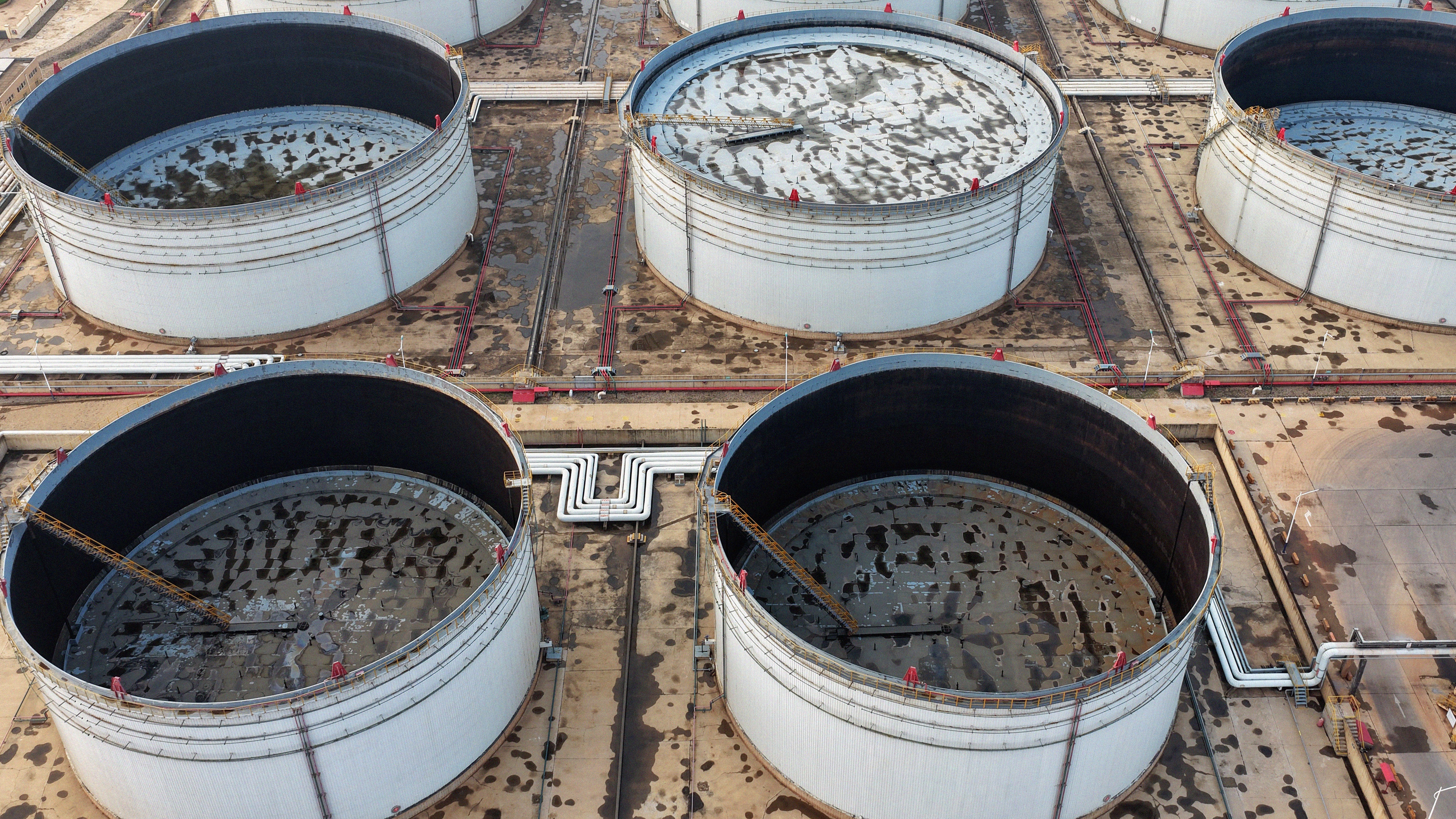
In a development that has left international energy analysts and policymakers perplexed, the People's Republic of China, widely recognized as America's principal geopolitical rival, is single-handedly averting a potential global energy crisis. This remarkable feat is being achieved through an unexpected and substantial surge in China's domestic oil production. The International Energy Agency (IEA), a Paris-based intergovernmental organization that provides data and analysis on the global energy sector, has been a key observer of this anomaly. The IEA has confirmed that China's output has been instrumental in stabilizing global oil markets over the past year, a period marked by significant geopolitical instability and deliberate production cuts by other major oil-exporting nations, such as those orchestrated by the Organization of the Petroleum Exporting Countries (OPEC) and its allies (often referred to as OPEC+).
This surge is particularly noteworthy because it defies prior expectations of declining production from China, a nation that is not only the world's second-largest consumer of oil but also a significant producer. Without this unforeseen contribution from Chinese oil fields, the global energy landscape would likely be facing severe supply shortages, leading to sharp price volatility and potentially crippling economic consequences for nations worldwide. The International Monetary Fund (IMF) and various economic think tanks have previously warned of the fragility of global energy markets under such conditions.
The profound mystery surrounding China's increased output stems from a pervasive lack of transparency regarding its domestic oil fields, production technologies, and strategic decision-making processes. Unlike many Western energy-producing nations that operate with a degree of openness, China's energy sector is largely state-controlled, making it difficult for external observers to ascertain the precise drivers of this production boom. Analysts have put forth several hypotheses to explain this phenomenon. These include the potential reactivation of older, previously uneconomical oil fields, perhaps through the application of new, more efficient extraction technologies. Another possibility is a deliberate strategic decision by the Chinese Communist Party (CCP) leadership in Beijing to boost domestic supply, either to fuel its own economic growth and industrial output or to strategically influence global energy markets and exert geopolitical leverage. However, concrete, verifiable data to substantiate these theories remains scarce, leaving a significant information vacuum.
This situation presents a complex geopolitical and economic puzzle. The global energy landscape, which underpins much of modern industrial society, is now heavily reliant on the opaque production levels emanating from China. The implications of this reliance extend far beyond simple supply and demand dynamics. A thorough understanding of China's energy strategy is crucial for forecasting future market trends, for national security assessments, and for countries seeking to secure their own long-term energy futures. Furthermore, the lack of clarity raises critical questions about the sustainability of this production surge. Is this an exceptional, short-term measure designed to navigate immediate global pressures, or does it represent a fundamental, long-term shift in China's energy policy and its role as a global energy provider? As the world grapples with these uncertainties, China's oil fields are quietly, yet powerfully, reshaping the global energy equation, a transformation whose ultimate trajectory remains unknown.
Original source — read the full reporting at the publisher:
Read on The AtlanticGet the weekly AI digest
AI news + new model releases, weekly. Drafted by our agents, reviewed by humans.