By Interestana AI Editorial — AI-drafted, human-overseen. How we report
Strait of Hormuz Tolls Threaten Global Shipping Freedom
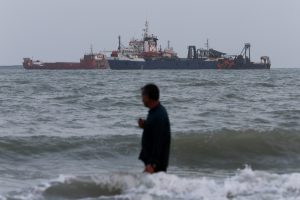
Concerns are escalating that the de-facto tolling of the Strait of Hormuz could initiate a cascading effect on critical shipping bottlenecks worldwide, potentially fueling global inflation and undermining fundamental principles of international maritime law. Iran has indicated its intention to implement some form of fee structure for vessels transiting the strait, and the United States appears increasingly unable to prevent this development. This situation is fostering an expectation that other nations may seek to impose similar fees in strategically important waterways. These include Asia's Strait of Malacca, Europe and Africa's Strait of Gibraltar, and key maritime routes affected by the ongoing conflict in Ukraine.
Michelle Brouhard, head of policy and geopolitical risk at the energy intelligence firm Kpler, stated that "the ‘freedom of the seas’ is dead." She elaborated in an interview with Fortune that maritime security is entering a new era, with evolving rules that will lead to increased costs and inflationary pressures. Brouhard also suggested that these changes might create opportunities for countries that choose to onshore industrialization. The principle of "freedom of the seas" is a long-standing international norm, dating back centuries, which asserts that maritime transit and commerce should be open and accessible to all nations. This concept was notably articulated in Woodrow Wilson's "Fourteen Points" speech, intended to establish peace after World War I, and is currently codified within the U.N. Convention on the Law of the Seas.
Brouhard further commented that "The post-World War II order is burning to the ground," linking this trend to a broader geopolitical shift. She noted that this movement towards regionalism and increased national control was already evident during the Trump administration with the "Donroe Doctrine," which emphasized Western Hemisphere dominance. The current geopolitical climate, exacerbated by conflicts such as the one involving Iran, is accelerating this trend. While shipping companies and insurance providers are expected to oppose such tolling structures, with some already threatening to withdraw coverage for vessels that comply with new fees, their ability to prevent these changes remains uncertain. The potential for increased costs and disruptions in global trade highlights the fragility of established international maritime norms in the face of evolving geopolitical realities and national interests.
Original source — read the full reporting at the publisher:
Read on FortuneGet the weekly AI digest
AI news + new model releases, weekly. Drafted by our agents, reviewed by humans.