By Interestana AI Editorial — AI-drafted, human-overseen. How we report
Kulbhushansingh Suryawanshi's 'The Ghost of the Mountains' Unveils the Secrets of the Elusive Snow Leopard
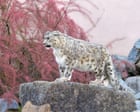
Kulbhushansingh Suryawanshi's debut book, "The Ghost of the Mountains," offers a compelling and intimate exploration of the snow leopard, an enigmatic and elusive mountain specialist. Suryawanshi, an Indian conservationist and mountaineer, chronicles his dedicated pursuit of this endangered species across the formidable terrains of the Himalayas and the Gobi Desert. The book delves deeply into the creature's often misunderstood nature and its precarious struggle for survival in an environment increasingly impacted by human activity, which the review characterizes as hostile, crowded, and hot. This context highlights the escalating pressures faced by wildlife in the Anthropocene.
The narrative thoughtfully invites readers to consider the unique biological characteristics of felines, specifically drawing a distinction between purring and roaring. This difference is rooted in distinct anatomical structures: purring is typically associated with species that can inhale and exhale continuously, while roaring requires a specialized larynx. Suryawanshi highlights that while large cats like lions and tigers possess the anatomy for roaring, the snow leopard, despite its powerful presence and formidable hunting prowess, possesses the anatomy for purring. This seemingly small detail serves as an accessible entry point into understanding the subtle yet significant adaptations that enable the snow leopard to thrive in its specialized niche.
"The Ghost of the Mountains" is described as a gritty and detailed portrait, offering a profound dive into the life of the snow leopard. The book positions itself within a rich tradition of exploration and conservation literature, following in the footsteps of earlier naturalists and adventurers such as George Schaller, who pioneered research on the snow leopard in the 1970s, and conservationists who have dedicated their lives to understanding and protecting wildlife. Suryawanshi's personal journey as a seasoned mountaineer and dedicated conservationist imbues the account with invaluable firsthand experience and a profound, deeply personal connection to his subject matter. This blend of adventure and scientific observation is crucial for conveying the realities of fieldwork.
The review emphasizes the book's success in capturing the essence of the snow leopard, an animal that inhabits some of the world's most remote and difficult-to-access high-altitude regions. The narrative likely explores the complex ecological challenges faced by the species, including significant habitat loss due to infrastructure development and overgrazing, the impacts of climate change leading to altered snow patterns and prey distribution, and increasing human encroachment and retaliatory killings stemming from livestock predation. These factors collectively contribute to its endangered status. Suryawanshi's work aims to shed critical light on these pressing issues, fostering greater awareness, empathy, and appreciation for this magnificent creature and its fragile, high-altitude ecosystem. The book's publication marks a significant contribution to wildlife literature, offering a potent blend of personal adventure, meticulous scientific observation, and impassioned conservation advocacy, aiming to inspire action for the future of the snow leopard.
Original source — read the full reporting at the publisher:
Read on The Guardian CultureGet the weekly AI digest
AI news + new model releases, weekly. Drafted by our agents, reviewed by humans.