Family Rescued in Entebbe Operation
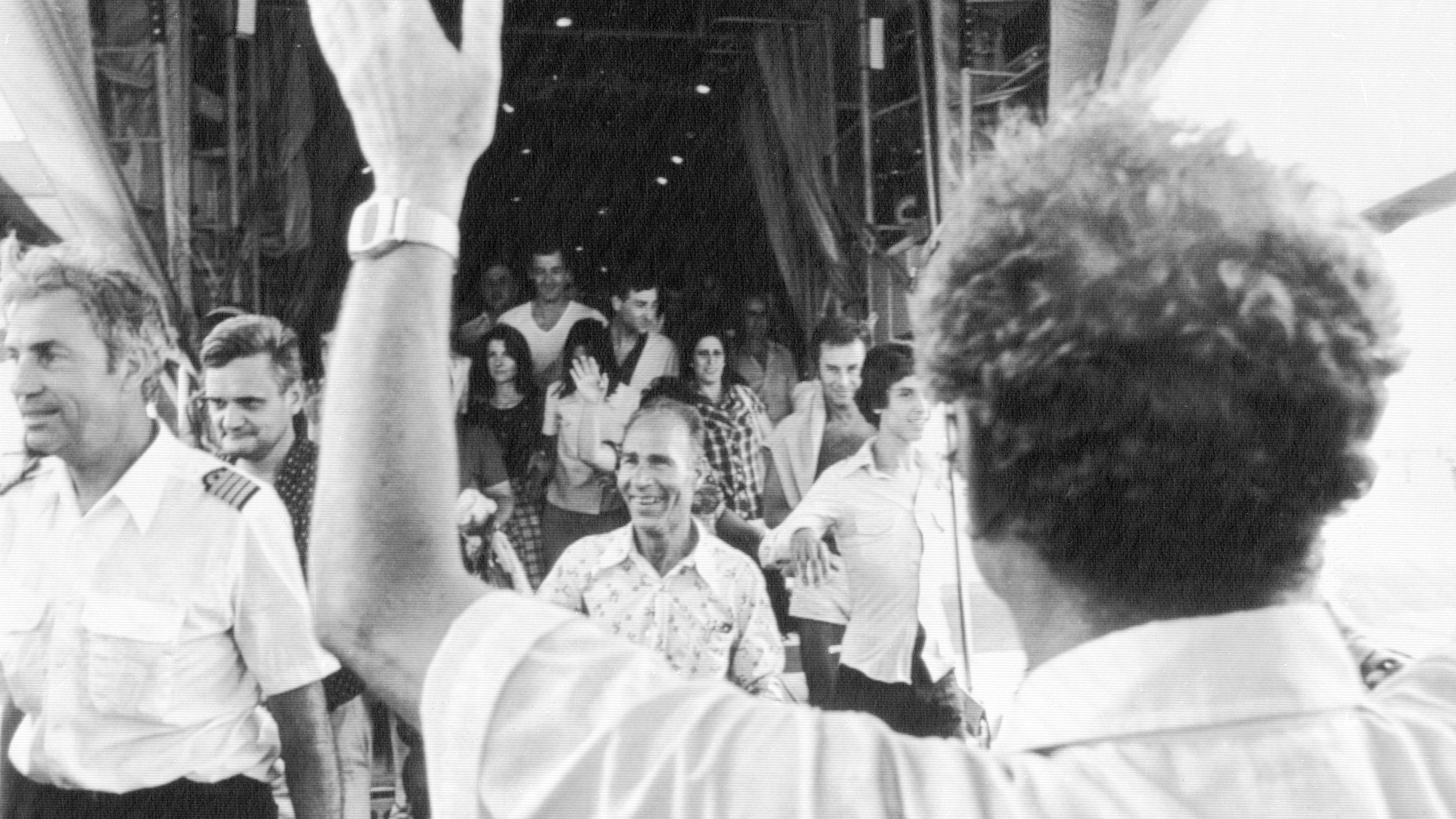
The 1976 Entebbe hostage rescue operation, codenamed Operation Thunderbolt, involved the Israeli Defense Forces (IDF) successfully freeing over 100 hostages from a hijacked Air France flight. The operation, which took place on July 4, 1976, at Uganda's Entebbe Airport, saw a specialized IDF unit infiltrate the airport, neutralize the hijackers, and evacuate the hostages. The mission resulted in the deaths of all nine hijackers and three hostages, alongside one Israeli soldier, Yoni Netanyahu, who commanded the operation.
The successful execution of the raid demonstrated a significant counter-terrorism capability and became a pivotal moment in Israeli history. It reinforced the nation's commitment to protecting its citizens and responding decisively to acts of terror. The bravery and strategic planning involved in the operation have been studied extensively in military and security circles worldwide.
For the family of one of the rescued passengers, the event served as a profound lesson on the fragility of freedom and the necessity of active defense. The experience underscored that liberty is not a given but is preserved through the courage and sacrifice of individuals willing to confront threats. This perspective shaped their understanding of civic duty and the importance of vigilance against those who seek to undermine peace and security.
The Entebbe rescue remains a powerful symbol of resilience and determination. It highlights the complex interplay between political motivations, international relations, and the human cost of terrorism. The legacy of the operation continues to resonate, emphasizing the critical role of decisive action in safeguarding fundamental freedoms.
Original source — read the full reporting at the publisher:
Read on The Atlantic