By Interestana AI Editorial — AI-drafted, human-overseen. How we report
China Achieves Second Reusable Rocket Booster Recovery
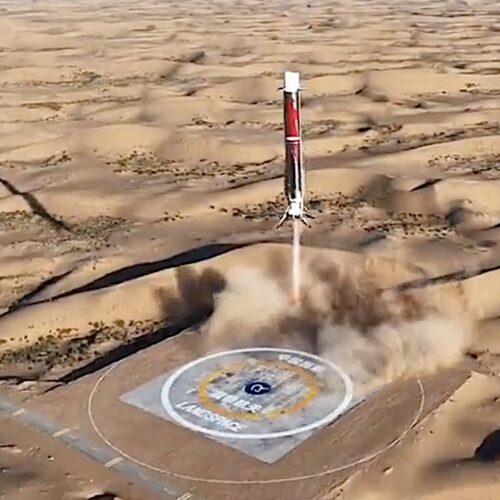
A second Chinese company successfully recovered an orbital-class rocket booster on Tuesday, marking a significant advancement in China's space launch capabilities. This achievement follows the first successful recovery of such a booster by a Chinese entity just over a month prior. The rapid succession of these recoveries highlights China's accelerating progress in developing reusable rocket technology, a critical component for reducing space launch costs and increasing launch frequency. This development draws parallels to the evolution of reusable rocket technology in the United States, where SpaceX pioneered propulsive booster landings with its Falcon 9 rocket in 2015. It took ten years for a second U.S. launch company, Blue Origin, to achieve a similar propulsive landing of an orbital-class booster. SpaceX has since expanded its reusable fleet with the Starship and Super Heavy booster system. The U.S. may see a third company join the reusable rocket club by 2027, with Rocket Lab, Stoke Space, Relativity Space, and Firefly Aerospace (in partnership with Northrop Grumman) all working on reusable rocket projects slated for potential first flights in the coming years. China is also experiencing a surge in companies developing reusable rockets, with a comparable number of entities engaged in this advanced aerospace technology. These Chinese companies operate under different structures, with some affiliated with the state-owned China Aerospace Science and Technology Corporation (CASC), a large conglomerate involved in various aspects of China's space program. Others are more commercially oriented, fueled by private capital investment, indicating a growing private sector involvement in China's space industry. The successful recovery of reusable rocket boosters by multiple Chinese companies suggests a maturing domestic launch market and a strategic push towards more cost-effective and sustainable access to space. This technological leap is crucial for supporting future ambitions in satellite deployment, space exploration, and potentially space tourism, positioning China as a major player in the global space race. The ability to recover and reuse rocket boosters significantly lowers the per-launch cost, making space missions more economically viable and enabling more frequent access to orbit. This is a key factor in the ongoing commercialization and expansion of space activities worldwide. The competitive landscape in reusable rocket technology is intensifying, with both established national space programs and emerging private companies vying for leadership. China's recent successes demonstrate its commitment to closing any technological gaps and establishing a strong presence in this critical sector of the aerospace industry.
Original source — read the full reporting at the publisher:
Read on Ars TechnicaGet the weekly AI digest
AI news + new model releases, weekly. Drafted by our agents, reviewed by humans.