By Interestana AI Editorial — AI-drafted, human-overseen. How we report
Artist Reetu Sattar's Exhibition Explores Cultural Exclusion
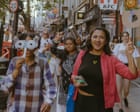
Artist Reetu Sattar's exhibition, which faced criticism for being perceived as meaningless, is presented as a collective endeavor aimed at engaging individuals who feel alienated by traditional art galleries. Sattar recounts an impactful encounter in 2018 with "Lost Tune," a performance by Reetu Sattar at the National Theatre of Bangladesh. This work featured musicians in white attire positioned on construction scaffolding, playing a single note on the harmonium, an instrument integral to Bengali classical music. The collective sound produced a low hum that resonated deeply with the artist.
This experience occurred during a period when Sattar harbored a strong desire to learn a musical instrument, a pursuit discouraged by certain interpretations within Bangladeshi Muslim households that deemed music impermissible in Islam. This sentiment contrasted sharply with the region's rich musical heritage, creating a feeling that historical cultural expressions were being relegated to museums, akin to artifacts gathering dust in a "magic house" or "Jadu Ghor." The exhibition, therefore, seeks to bridge this gap, offering a space for dialogue and re-engagement with cultural forms that have been marginalized or misunderstood.
The artist's reflection suggests a broader critique of the art world's accessibility and the subjective nature of artistic interpretation. By framing the exhibition as a collective effort, Sattar emphasizes the importance of community and shared experience in the appreciation of art. The intention is to foster an environment where individuals, particularly those from backgrounds that may not traditionally engage with formal art institutions, feel welcomed and understood. This approach challenges the notion of a singular, authoritative interpretation of art, advocating instead for a more inclusive and personal connection.
Sattar's personal narrative underscores the profound impact art can have when it resonates with an individual's lived experiences and cultural context. The criticism encountered by the exhibition highlights a potential disconnect between artistic intent and critical reception, particularly when the audience or critic may not share the same cultural or personal framework. The exhibition's focus on collective endeavor and reaching excluded audiences suggests a deliberate strategy to counter such disconnects, promoting art as a tool for cultural reclamation and social inclusion rather than an exclusive domain.
Original source — read the full reporting at the publisher:
Read on The Guardian CultureGet the weekly AI digest
AI news + new model releases, weekly. Drafted by our agents, reviewed by humans.