By Interestana AI Editorial — AI-drafted, human-overseen. How we report
The first complex cells had genes from a complex mix of species
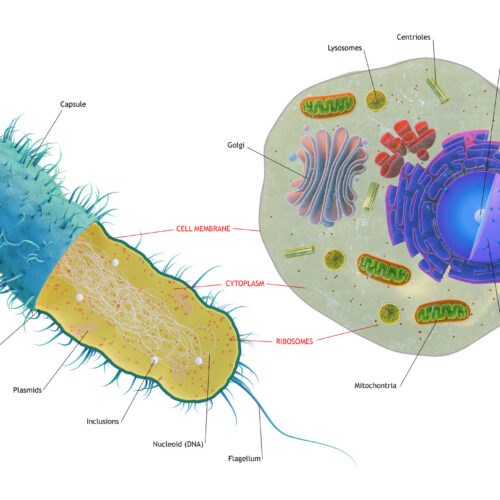
The first complex cells, which form the basis of all eukaryotes, are not solely derived from a simple fusion of archaeal and bacterial cells as previously understood. A new study, examining genes shared by all eukaryotes, suggests a more intricate evolutionary history involving multiple waves of gene transfers from bacteria. While the foundational concept of a merger between archaea and bacteria remains valid, the research indicates that gene transfers between species were a common occurrence during this period. Initially, it was believed that bacteria evolved into mitochondria, the energy-generating organelles within eukaryotic cells, and that most other bacterial genes were transferred to the eukaryotic nucleus, intermingling with archaeal genes. However, this latest analysis challenges that simplified view, proposing a more complex scenario where gene exchange played a significant role in shaping the early eukaryotic genome. This revised understanding highlights the dynamic and interconnected nature of early cellular evolution, moving beyond a singular fusion event to a more fluid exchange of genetic material.
Original source — read the full reporting at the publisher:
Read on Ars TechnicaGet the weekly AI digest
AI news + new model releases, weekly. Drafted by our agents, reviewed by humans.