By Interestana AI Editorial — AI-drafted, human-overseen. How we report
Endangered Species Act Protections Weakened by New Rule
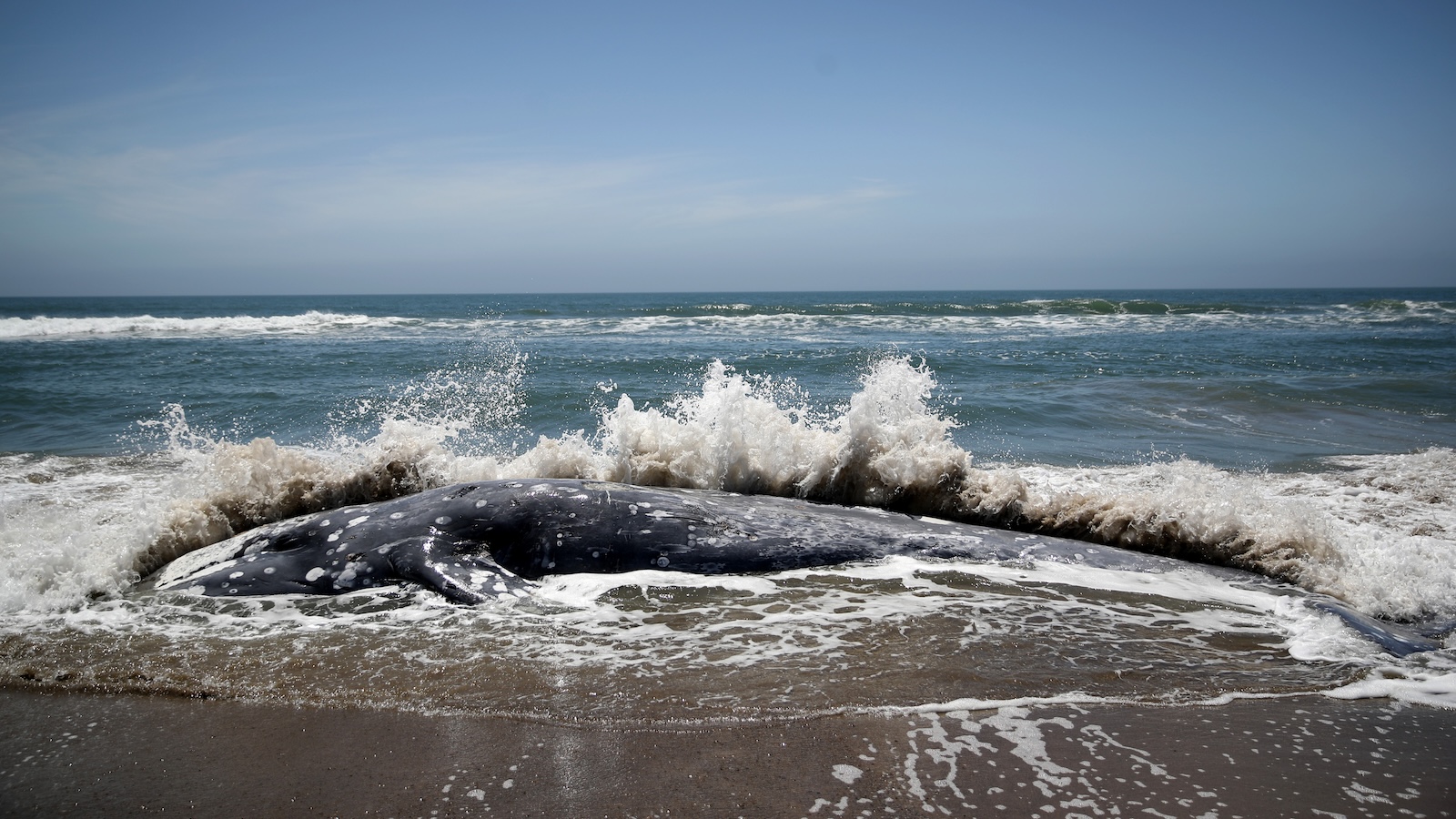
The Endangered Species Act (ESA), a cornerstone of American conservation since 1973, which has aided the recovery of species like bald eagles, manatees, and humpback whales, faces significant changes under a new directive from the U.S. Fish and Wildlife Service. Effective this week, the agency now considers the unintentional killing of a federally protected animal as not constituting a "take" under the ESA. This reinterpretation, detailed in a memo signed by Brian Nesvik, director of the Fish and Wildlife Service, signifies a departure from previous understandings of the act's provisions. For instance, the memo states, "A vessel that inadvertently strikes a whale has not taken it, because the vessel’s course was not set against the whale." Similarly, "Felling a tree is not a take of the bats roosting in it unless the tree was felled for the purpose of killing or capturing them." This narrow definition of "take" is accompanied by another recent revision that reclassifies damage to an animal's habitat as no longer constituting "harm" to the species. Legal experts contend that these combined changes drastically weaken the ESA's enforcement capabilities, potentially allowing industries such as logging, mining, and development to proceed in sensitive areas with diminished regard for the wildlife present. The fate of numerous endangered species may now hinge on the precise legal interpretation of these two terms, "harm" and "take." Legal scholars argue that this represents an unprecedentedly restrictive view of the ESA's language, which has been consistently interpreted by the agency and other stakeholders for five decades. Ryan Shannon, an attorney, noted that "They are trying to disregard 50 years of the act, and how the agency — and everybody — has always interpreted this word." These regulatory shifts are anticipated to face substantial legal challenges. Already, nearly two dozen states have initiated lawsuits against the Trump administration over prior modifications to the ESA, and further legal actions are expected from environmental advocacy groups. Historically, similar challenges to the ESA's interpretation have resulted in the agency being on the losing side of legal disputes, suggesting a potential precedent for future court battles over these new definitions.
Original source — read the full reporting at the publisher:
Read on GristGet the weekly AI digest
AI news + new model releases, weekly. Drafted by our agents, reviewed by humans.