By Interestana AI Editorial — AI-drafted, human-overseen. How we report
The Farmer's Wife Play Highlights Female Farm Labor
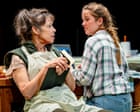
Hannah Khalil's new play, "The Farmer's Wife," inspired by Helen Rebanks' bestselling memoir of the same name, centers the narrative on the essential yet often overlooked contributions of women in agriculture. The production, staged at the Theatre by the Lake in Keswick, deliberately omits male characters to spotlight the relentless daily workload shouldered by three generations of women on a family farm. This focus draws attention to the systemic strains within a tradition-bound agricultural system, particularly as it navigates a rapidly evolving global landscape. The play's central figures, identified only as Young, Older, and Oldest, are portrayed with tenacity by Eireann Devlin, Christine Entwisle, and Roberta Kerr, respectively. These actresses embody both the profound burdens and the inherent joys of a life deeply connected to the land, a life that can be both nurturing and unforgiving. The play's exploration of female strength and resilience within the demanding context of farming aligns with historical and anthropological observations that link agricultural development with the establishment of patriarchal social structures, while simultaneously challenging the notion that women's roles have been solely subservient. Instead, "The Farmer's Wife" posits that women have been, and continue to be, the bedrock of agricultural operations, quietly sustaining families and communities through their unceasing toil. The absence of men in the narrative serves as a powerful device to isolate and amplify the experiences of these women, allowing their individual and collective stories of endurance, adaptation, and quiet determination to take center stage. The play thus offers a poignant and timely examination of labor, legacy, and the enduring spirit of women in a sector critical to societal sustenance. Helen Rebanks' memoir, which provides the source material for Khalil's dramatization, details her experiences as a farmer's wife in the Lake District, offering a firsthand account of the realities of rural life and the multifaceted responsibilities undertaken by women in farming families. The play's success in foregrounding these narratives contributes to a broader cultural conversation about recognizing and valuing the contributions of women in all spheres of work, particularly in industries historically dominated by male perspectives. The production's setting in Keswick further grounds the narrative in a specific, tangible environment, allowing the audience to connect with the depicted realities of farm life. The play's critical reception highlights its success in capturing the tenderness, toil, and profound female strength inherent in the lives of women on the land, offering a rich tapestry of human experience rooted in the cycles of nature and the demands of agricultural labor.
Original source — read the full reporting at the publisher:
Read on The Guardian CultureGet the weekly AI digest
AI news + new model releases, weekly. Drafted by our agents, reviewed by humans.