By Interestana AI Editorial — AI-drafted, human-overseen. How we report
Far Right Distorts Ceuta Narrative
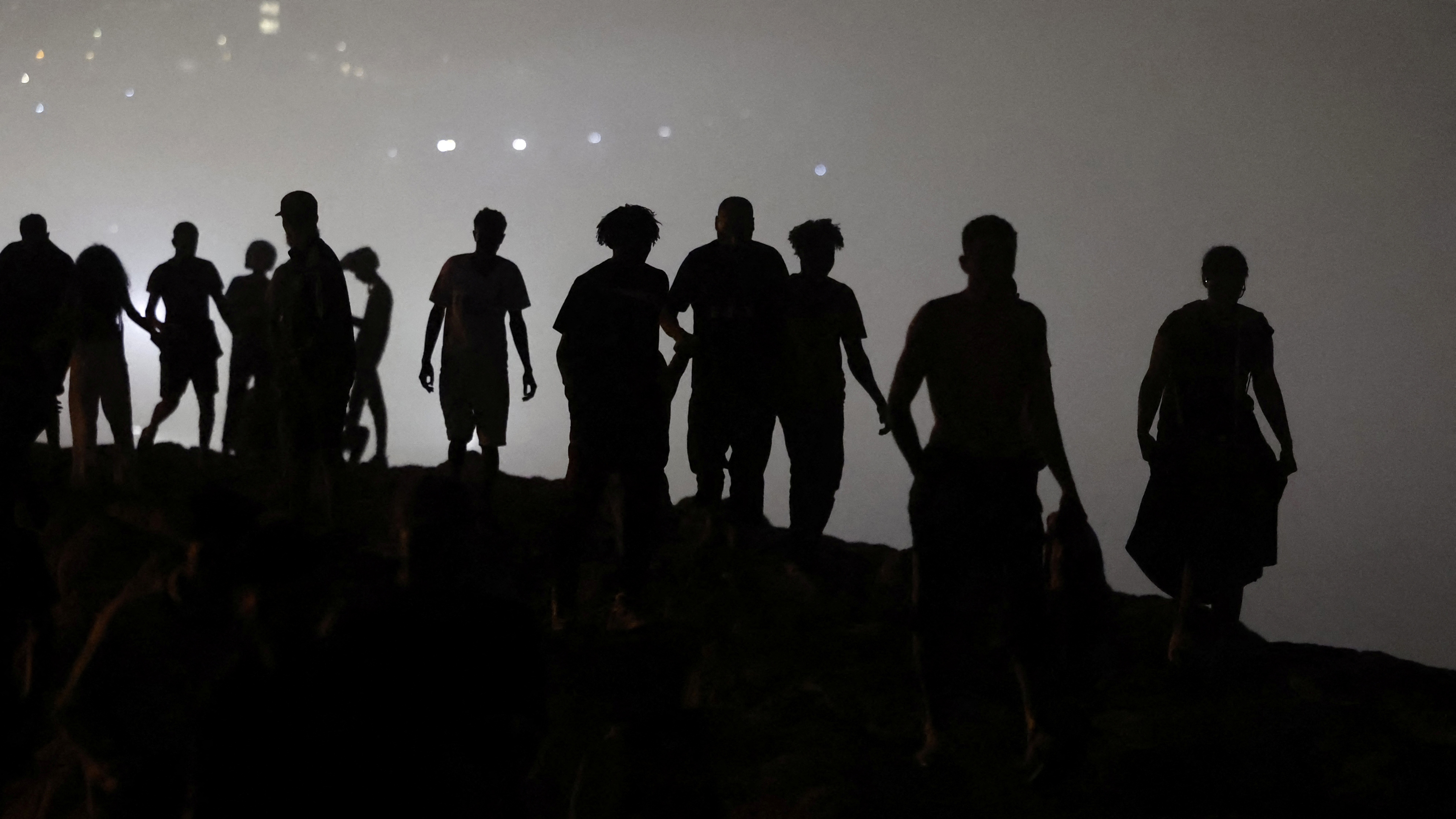
The far right is actively distorting narratives surrounding Ceuta, a Spanish enclave in North Africa, to advance an anti-immigrant and nationalist agenda. This manipulation involves selectively highlighting events and framing them in a way that fuels xenophobia and reinforces a sense of crisis. The objective is to create a perception of an overwhelming and uncontrollable influx of migrants, thereby justifying harsher border policies and nationalist sentiments. This strategy is not new and has been employed in various contexts to exploit societal anxieties and political divisions.
Central to this distortion is the selective focus on incidents involving migrants, often portraying them as inherently threatening or criminal. Events such as border crossings or encounters between migrants and security forces are amplified and sensationalized, stripping them of their broader context. The narrative often omits the complex socio-economic factors that drive migration, such as poverty, conflict, and lack of opportunity in migrants' countries of origin. Instead, migrants are frequently depicted as a monolithic group posing a direct threat to national identity, security, and economic stability. This portrayal serves to dehumanize migrants and foster an "us vs. them" mentality, which is a cornerstone of far-right ideology.
The far-right's campaign in Ceuta aims to influence public opinion and political discourse. By consistently pushing a narrative of invasion and threat, they seek to pressure governments into adopting more restrictive immigration policies. This includes advocating for increased border security, faster deportations, and a general hardening of attitudes towards asylum seekers and refugees. The political objective is to gain electoral support by appealing to voters' fears and prejudices, positioning themselves as the only force capable of protecting national interests and cultural homogeneity. The use of social media and sympathetic news outlets often plays a crucial role in disseminating these distorted narratives, allowing them to reach a wide audience and bypass traditional media gatekeepers.
The distortion of the Ceuta situation is part of a broader pattern of far-right movements across Europe and globally. These groups often leverage migration as a primary issue to mobilize support, employing similar tactics of fear-mongering and misinformation. The specific context of Ceuta, a territory with a unique geopolitical position bordering Morocco and facing significant migratory pressures, provides fertile ground for such narratives. The far right capitalizes on the inherent complexities and challenges associated with managing such a border, transforming them into a crisis that demands radical solutions. This approach not only impacts immigration policy but also contributes to a more polarized political climate, where nuanced discussions about human rights and international cooperation are sidelined in favor of simplistic and often inflammatory rhetoric.
Original source — read the full reporting at the publisher:
Read on The AtlanticGet the weekly AI digest
AI news + new model releases, weekly. Drafted by our agents, reviewed by humans.