By Interestana AI Editorial — AI-drafted, human-overseen. How we report
Erling Haaland Drove Norway's 'Pop-Up Economy' During World Cup
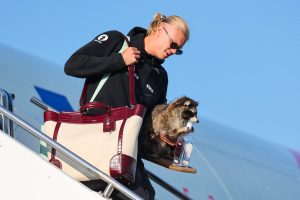
Erling Haaland's performance during the recent FIFA World Cup generated a "pop-up economy" effect, according to data released by Visa. The credit card company observed that transaction volumes within Norway nearly doubled during the Norwegian national team's matches, with spending activity increasing in over 60 countries whenever Norway played, particularly in the later rounds of the tournament. Visa measured this impact by comparing transaction volume in a 12-hour window around kickoff against a typical day in the same country prior to the World Cup. Frank Cooper III, Visa's chief marketing officer, stated that this tournament was one of the most impactful seen to date, both on and off the pitch, enabling Visa to witness "those economies emerge, move from city to city and connect millions of fans with the merchants and communities hosting the world’s biggest sporting event." The phenomenon extended beyond the national team's performance, as individual player actions also influenced consumer behavior. For instance, after Norway defeated Brazil in the round of 16, Erling Haaland and several teammates visited Wild Bill’s Western Store in Dallas. The owner, Cody Newport, reported that the store, a 40-year-old establishment, sold over 2,000 T-shirts following Haaland's visit and experienced its best month in history. Dallas was identified by Visa as one of the host cities where significant spending spikes were recorded in correlation with specific matches. This pattern of "pop-up economies" demonstrated that the influence of major sporting events and star athletes can create localized economic surges that extend beyond the immediate vicinity of the stadiums and impact global consumer spending habits. The data suggests a strong correlation between the visibility and success of national teams and athletes in major international tournaments and tangible economic activity, both domestically and internationally. Visa's analysis highlights the interconnectedness of sports, celebrity influence, and global commerce, providing a unique lens through which to view the economic ripple effects of major sporting events. The "pop-up economy" concept, as defined by Visa, illustrates how concentrated periods of high consumer activity can emerge in response to specific, high-profile events, driven by the collective engagement of fans and the aspirational influence of star athletes like Erling Haaland. This surge in spending, tracked through millions of credit card transactions, underscores the significant economic power wielded by the World Cup and its key figures.
Original source — read the full reporting at the publisher:
Read on FortuneGet the weekly AI digest
AI news + new model releases, weekly. Drafted by our agents, reviewed by humans.