By Interestana AI Editorial — AI-drafted, human-overseen. How we report
Energy Department Launches $215M Quantum Computer Competition
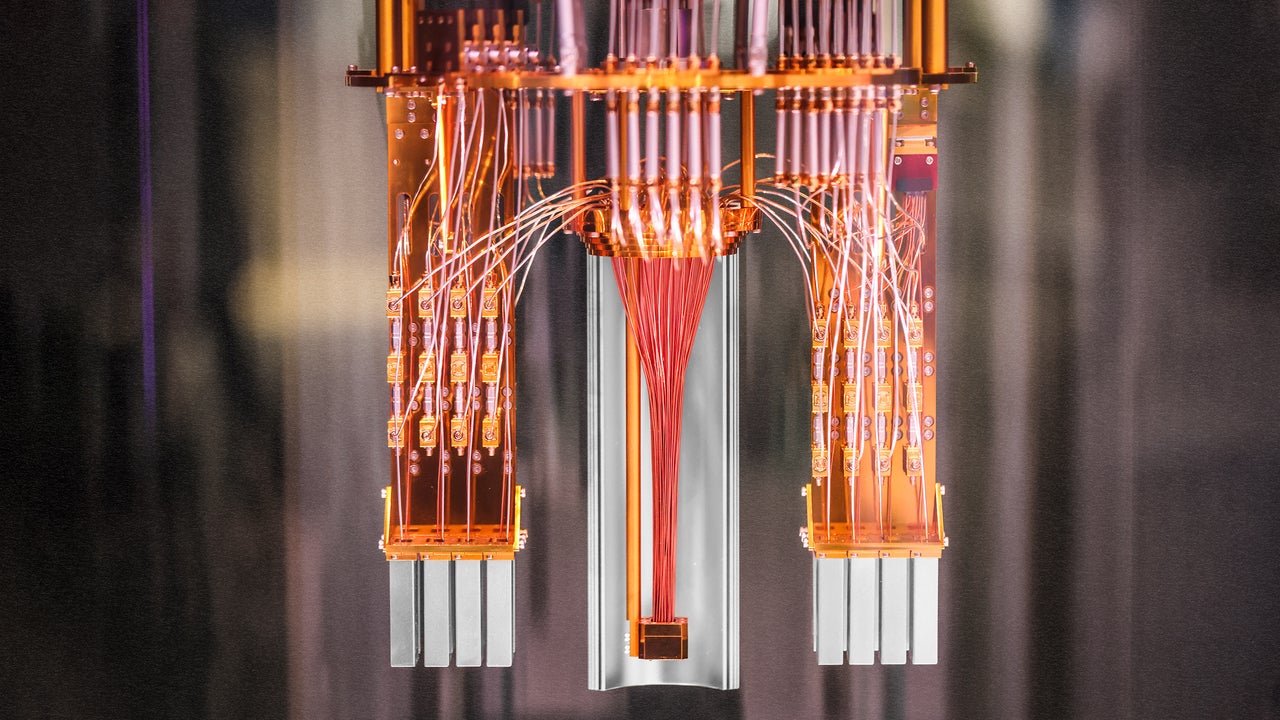
The U.S. Department of Energy has initiated a significant $215 million competition aimed at developing quantum computers capable of practical scientific research applications. This initiative, known as the Quantum Genesis Q Competition, seeks to transition quantum computing from the realm of theoretical experimentation to functional scientific instruments. Officials have expressed optimism that initial versions of these scientifically relevant quantum computers (SRQCs) could be operational as early as 2028. Unlike classical computers that utilize binary digits (bits) representing either 0 or 1, quantum computers leverage quantum mechanics to employ quantum bits (qubits). Qubits possess the ability to exist in multiple states simultaneously, a property known as superposition, and can be entangled, meaning their fates are linked regardless of distance. This fundamental difference allows quantum computers to theoretically tackle complex problems in areas such as cryptography, advanced simulations of biological and engineering systems, sophisticated financial modeling, and potentially artificial intelligence and machine learning, at speeds vastly exceeding those of classical computers. Despite their theoretical power, current quantum computers face substantial challenges. They are notoriously difficult to construct and highly susceptible to environmental interference, often necessitating operation at temperatures near absolute zero to maintain the integrity of qubit states. The Quantum Genesis Q Competition specifically challenges participants to deliver what the Department of Energy defines as "the world’s first fault-tolerant scientifically relevant quantum computers." This objective underscores the department's ambition to solidify the United States' leadership in quantum technology development and application by transforming experimental devices into essential laboratory equipment. The competition invites proposals from private sector entities for quantum computers that must feature a minimum of 100 logical qubits. These proposed machines are expected to perform hundreds of millions of fault-tolerant operations, a milestone that builds upon decades of foundational research in quantum technology and computing. Darío Gil, the DOE’s undersecretary for science, drew a parallel between this endeavor and historical scientific breakthroughs, stating, "I see it as no different than getting achievements where we could build the first particle accelerators, or incredibly new, capable telescopes." He further emphasized the transformative nature of these devices, describing them as "a scientific instrument of the first kind—one that deals with quantum phenomena."
Original source — read the full reporting at the publisher:
Read on Fast CompanyGet the weekly AI digest
AI news + new model releases, weekly. Drafted by our agents, reviewed by humans.