AI May Signal The End Of Reading Era
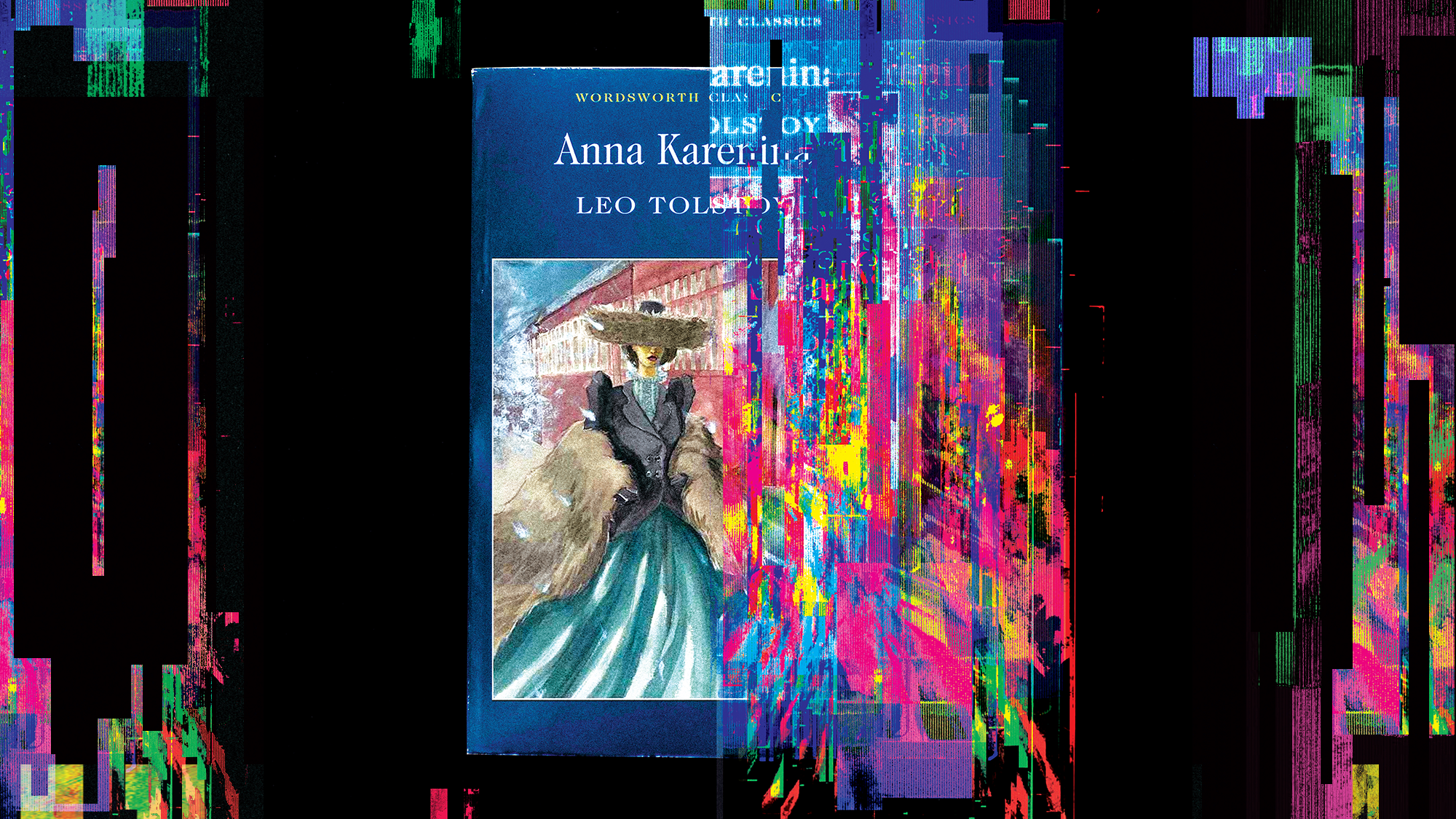
The era of widespread reading as a primary means of information consumption may be a transient phase in human history, according to a contemporary viewpoint. This perspective posits that the rise of advanced artificial intelligence technologies is poised to fundamentally alter how humans access and process information, potentially diminishing the significance of traditional reading.
Historically, the spread of literacy was viewed by optimists as an irreversible march towards universal understanding. However, this new outlook suggests that this period of extensive reading might be a relatively brief anomaly. The advent of sophisticated AI, capable of synthesizing and presenting information in novel ways, challenges the long-held assumption that reading will remain the dominant method for knowledge acquisition.
AI's capacity for multimodal understanding and generation, including audio and visual formats, offers alternatives to text-based learning. As AI systems become more adept at summarizing complex topics, answering questions directly, and even generating narratives or explanations through spoken word or visual aids, the necessity and appeal of engaging with lengthy written texts could decrease. This shift could impact educational methodologies, professional workflows, and general public engagement with information.
This evolving landscape raises questions about the future of literacy and the skills that will be most valued. While reading has been a cornerstone of human intellectual development for centuries, the integration of AI into daily life may necessitate a re-evaluation of what it means to be informed and educated in the coming decades. The potential for AI to democratize access to information through non-textual means is significant, but it also prompts consideration of the cultural and cognitive implications of a reduced reliance on reading.
Original source — read the full reporting at the publisher:
Read on The Atlantic