Birthright Citizenship Policy Arguments Gain Traction
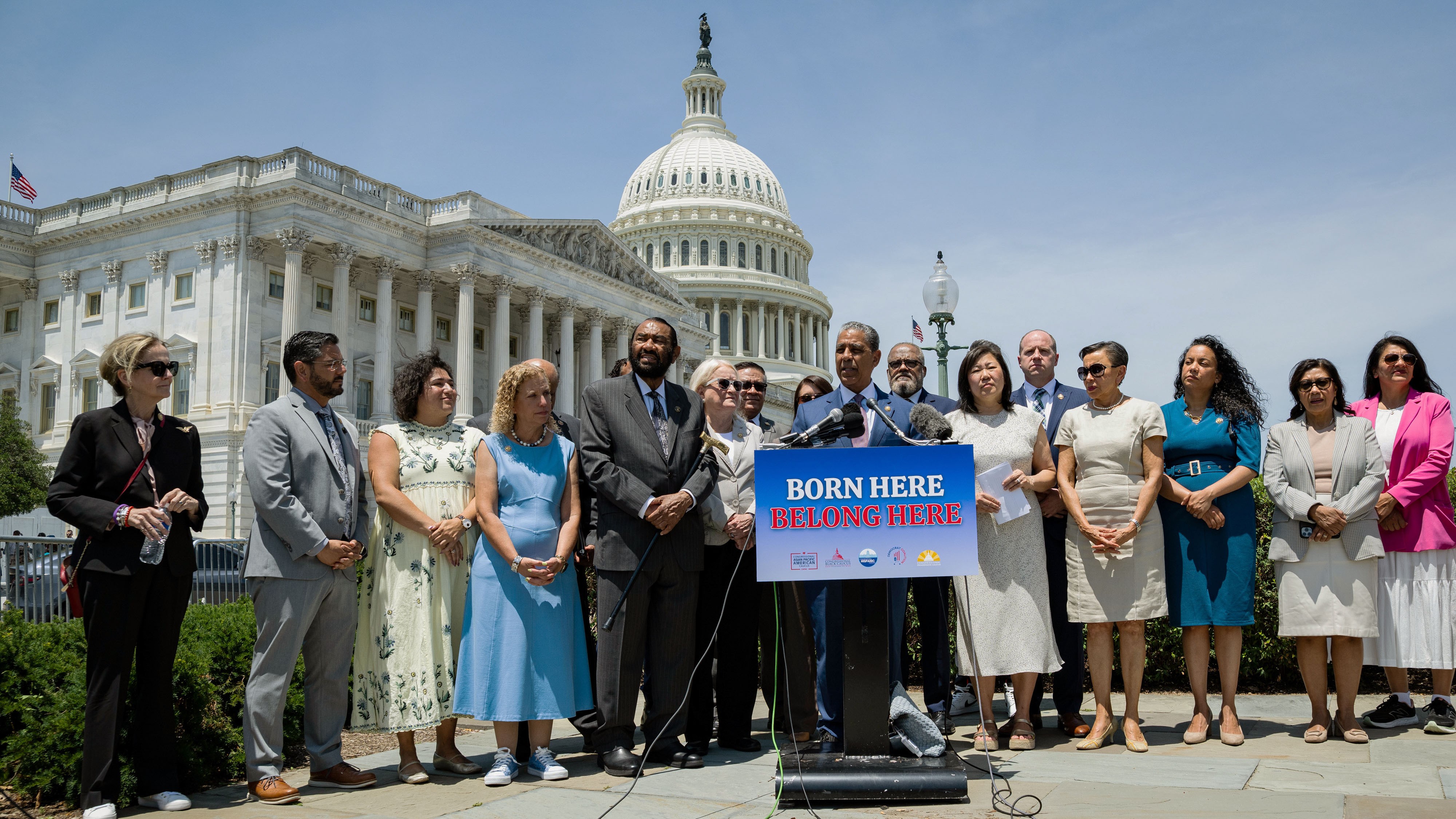
Proponents of birthright citizenship are increasingly advocating for the policy on grounds beyond its established legal standing. While the legal basis for birthright citizenship, rooted in the 14th Amendment of the U.S. Constitution, remains a cornerstone of the argument, a growing emphasis is being placed on its pragmatic policy benefits. This strategic shift aims to broaden support by highlighting how birthright citizenship contributes to social cohesion and economic integration within the United States.
The policy-focused approach suggests that granting citizenship to individuals born within the country, regardless of their parents' immigration status, fosters a more stable and productive society. Advocates argue that it prevents the creation of a marginalized, stateless underclass, which can lead to social instability and increased burdens on public services. Instead, birthright citizenship encourages full participation in civic life, including education, employment, and tax contributions, thereby strengthening the national economy and social fabric.
Furthermore, proponents contend that birthright citizenship aligns with American values of equality and opportunity. By ensuring that all individuals born on U.S. soil have the same rights and responsibilities as other citizens, the policy reinforces the idea of a unified nation. This perspective frames birthright citizenship not just as a legal entitlement but as a vital tool for building a cohesive and prosperous society for future generations. The debate is evolving to encompass these broader societal and economic implications.
Original source — read the full reporting at the publisher:
Read on The Atlantic