By Interestana AI Editorial — AI-drafted, human-overseen. How we report
Kimon de Greef's 'The Ego Trip' Unpacks the Disturbing Charisma of Shaman Octavio Rettig and Psychedelic Toad Venom
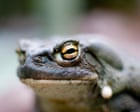
Kimon de Greef's investigative book, "The Ego Trip," delves into the peculiar and often disturbing world surrounding Octavio Rettig, a figure described as a charismatic shaman who simultaneously embodies several contentious contemporary cultural trends. The narrative begins by introducing the Sonoran desert toad, a creature native to the arid regions along the Mexico-Arizona border. This amphibian, which spends much of its existence in subterranean seclusion, emerges primarily after rainfall to engage in its reproductive cycle, depositing eggs in ephemeral water sources. Rettig's persona and practices, as presented in de Greef's work, are characterized as a complex and deeply objectionable amalgamation. He is depicted as a composite of social media influencers, unregulated wellness practitioners, proponents of the "manosphere," enthusiasts of psychedelic experiences, and individuals engaging in cultural appropriation. The book meticulously examines the experiences of those who placed their faith and trust in Rettig, scrutinizing the nature of their devotion and the often "hair-raising treatments" they underwent. De Greef's journalistic endeavor aims to dissect the potent allure of such figures and the intricate dynamics of belief systems that coalesce around them. The review highlights the multifaceted nature of Rettig's public image, suggesting he serves as a focal point for various contemporary societal phenomena that frequently attract significant criticism. The structure of "The Ego Trip" appears to chronicle de Greef's investigative journey as he meticulously uncovers the details of Rettig's life, his methods, and the extent of his influence. The book probes the psychological and social underpinnings that might compel individuals to seek out and adhere to the doctrines and therapies offered by figures like Rettig. The review implicitly raises questions regarding the efficacy and safety of the practices detailed, particularly those involving the Sonoran desert toad. This toad is scientifically recognized for secreting a potent psychoactive compound, 5-MeO-DMT, which is the basis for many of the "psychedelic" experiences Rettig facilitates. The examination extends beyond Rettig himself to encompass the broader cultural landscape, prompting readers to reflect on current societal inclinations and the individuals who adeptly exploit them for personal gain or influence. De Greef's reporting is framed as an exploration of a "bizarre tale," where the convergence of psychedelic substances derived from natural sources and unconventional therapeutic interventions forms the central thematic core of the book. Ultimately, "The Ego Trip" is presented as a critical examination of the intersection between spirituality, the burgeoning wellness industry, and the phenomenon of charismatic leadership in the modern era, urging readers to contemplate the broader implications of such influential figures and the movements they inspire.
Original source — read the full reporting at the publisher:
Read on The Guardian CultureGet the weekly AI digest
AI news + new model releases, weekly. Drafted by our agents, reviewed by humans.