By Interestana AI Editorial — AI-drafted, human-overseen. How we report
AI's Memory Demand Crushes Sub-$100 Smartphone Dream
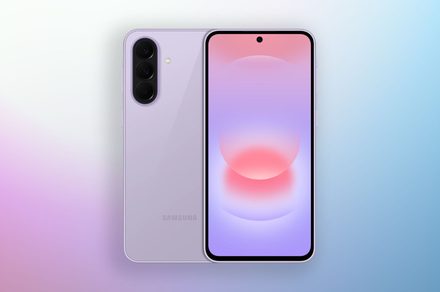
The long-held aspiration of producing ultra-cheap smartphones, particularly for demographics like children and grandparents who prioritize affordability and basic functionality, is now facing significant headwinds, effectively becoming unattainable in the current market. Analysts have reported a staggering 400% surge in memory chip costs for budget phones within the past year. This dramatic escalation in component expenses has rendered the profitable manufacturing of devices priced below the $100 threshold virtually impossible for smartphone makers.
The primary catalyst for this unprecedented price inflation in the memory chip market is the burgeoning demand from the artificial intelligence (AI) sector. The development and deployment of sophisticated AI technologies, including large language models (LLMs) and complex computational tasks, necessitate vast quantities of high-performance memory. This intense and rapidly growing demand from AI applications has significantly outpaced the available supply of memory chips. Consequently, the cost of these essential components, which are fundamental to the operation of any smartphone, has become prohibitively expensive for manufacturers attempting to adhere to the price constraints of the entry-level market.
Historically, the sub-$100 smartphone segment was characterized by devices that offered essential communication and internet browsing capabilities at the lowest possible price point. These devices typically relied on cost-optimized components, including less advanced and therefore cheaper memory modules. However, the current market dynamics, heavily influenced by AI's voracious appetite for memory resources, have fundamentally altered the cost structure for these components. Manufacturers can no longer absorb these significantly increased component expenses while maintaining the retail price ceiling that defined this accessible market segment. The economic viability of producing these devices has, therefore, evaporated, signaling a profound shift in the landscape of the consumer smartphone industry.
This development carries substantial implications for the accessibility of consumer electronics. The dream of providing functional, extremely low-cost smartphones to a broad demographic, including individuals with limited financial resources or those less familiar with technology, is now largely out of reach. The industry is likely compelled to re-evaluate its pricing strategies for entry-level devices, potentially pushing the minimum price point for new smartphones considerably higher. This could create a significant gap in the market for truly low-cost devices, potentially impacting digital inclusion for certain populations. The confluence of rapid AI advancement and its direct impact on foundational hardware costs underscores a new economic reality for the consumer technology sector, where the cost of innovation in one area directly influences the affordability of products in another.
Original source — read the full reporting at the publisher:
Read on Digital TrendsGet the weekly AI digest
AI news + new model releases, weekly. Drafted by our agents, reviewed by humans.