By Interestana AI Editorial — AI-drafted, human-overseen. How we report
New Jersey E-Bike Law Spurs Rider Exodus and Business Woes
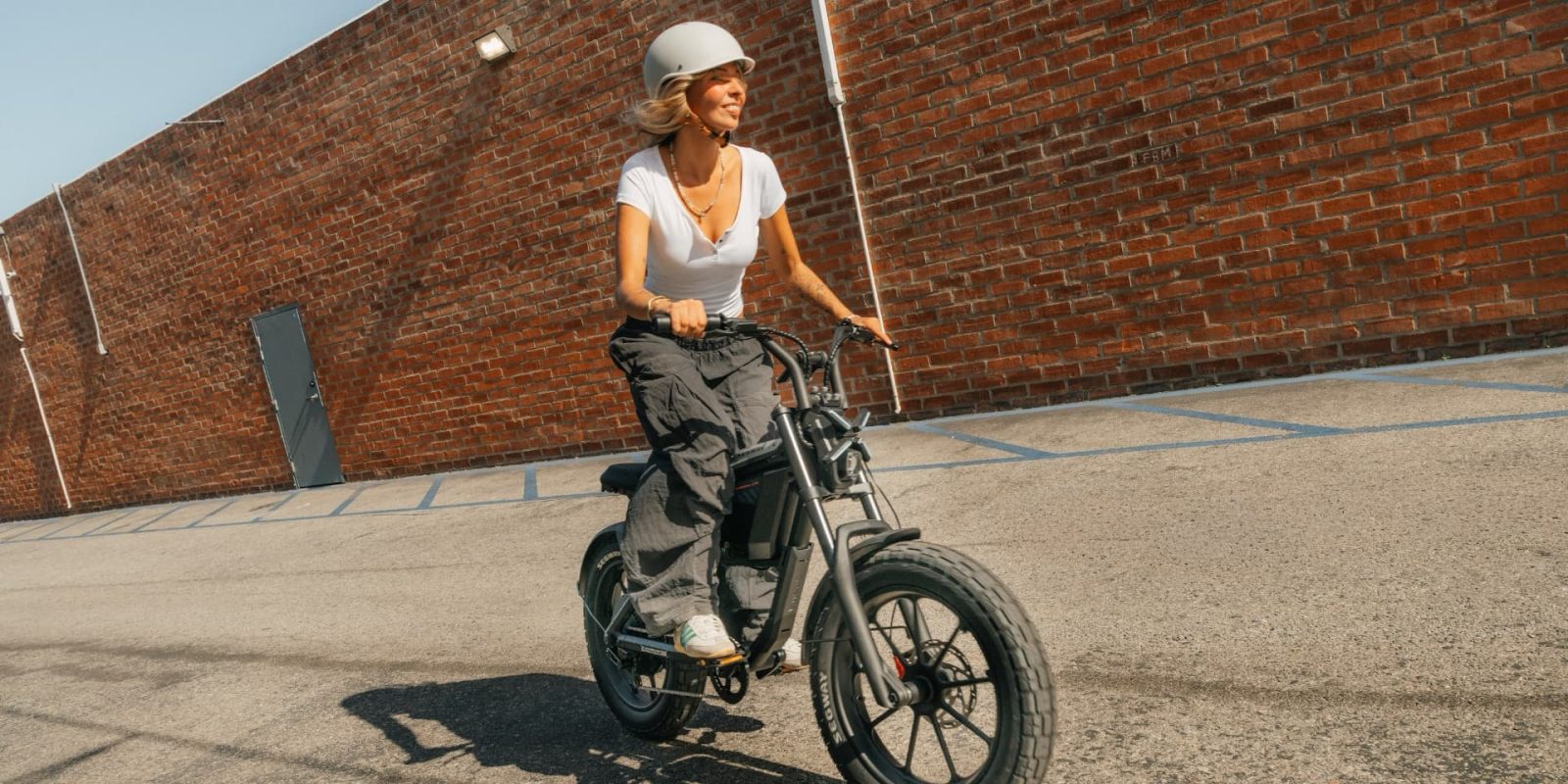
New Jersey enacted one of the nation's most restrictive electric bicycle laws earlier this year, and initial reports indicate that the predicted negative consequences for riders and businesses are materializing. The legislation, which took effect only a few weeks ago, has reportedly led to a significant decrease in e-bike usage and has created substantial challenges for local businesses that rely on e-bike sales and rentals. Advocates and riders had expressed concerns that the stringent regulations would stifle the growing e-bike market and discourage adoption, and these fears now appear to be validated by early observations.
The specific provisions of the law that have drawn criticism include stringent limitations on motor power, speed, and throttle functionality, which are more restrictive than those in many other states. These limitations are perceived by many as making the e-bikes less practical for commuting and recreation, thereby diminishing their appeal. The law categorizes e-bikes into three classes, with specific rules for each, but the overall framework is seen by many as overly burdensome. This regulatory environment has created uncertainty and frustration among consumers and businesses alike.
Local bike shops, in particular, are experiencing a downturn. Several shop owners have reported a noticeable drop in e-bike sales and service requests since the law's implementation. The economic impact is significant, as many businesses had invested in inventory and staff to cater to the burgeoning e-bike market. The new regulations have made it difficult for these businesses to sell existing stock and have also impacted their ability to offer competitive products. Some businesses are considering reducing staff or even closing their e-bike divisions due to the unfavorable market conditions.
Beyond the economic repercussions, the law is also affecting the cycling community. Many riders who previously relied on e-bikes for transportation or leisure are now finding them less viable under the new rules. This has led to a reduction in the number of e-bike riders on trails and roads, impacting the social aspect of cycling for some. The hope among critics is that the state will reconsider or amend the law to strike a better balance between safety and accessibility, allowing the e-bike market to recover and thrive. The long-term effects of these regulations will continue to unfold in the coming months, with businesses and riders closely watching for any potential policy adjustments.
Original source — read the full reporting at the publisher:
Read on ElectrekGet the weekly AI digest
AI news + new model releases, weekly. Drafted by our agents, reviewed by humans.