By Interestana AI Editorial — AI-drafted, human-overseen. How we report
GOP Midterm Strategy to Distance From Trump May Fail
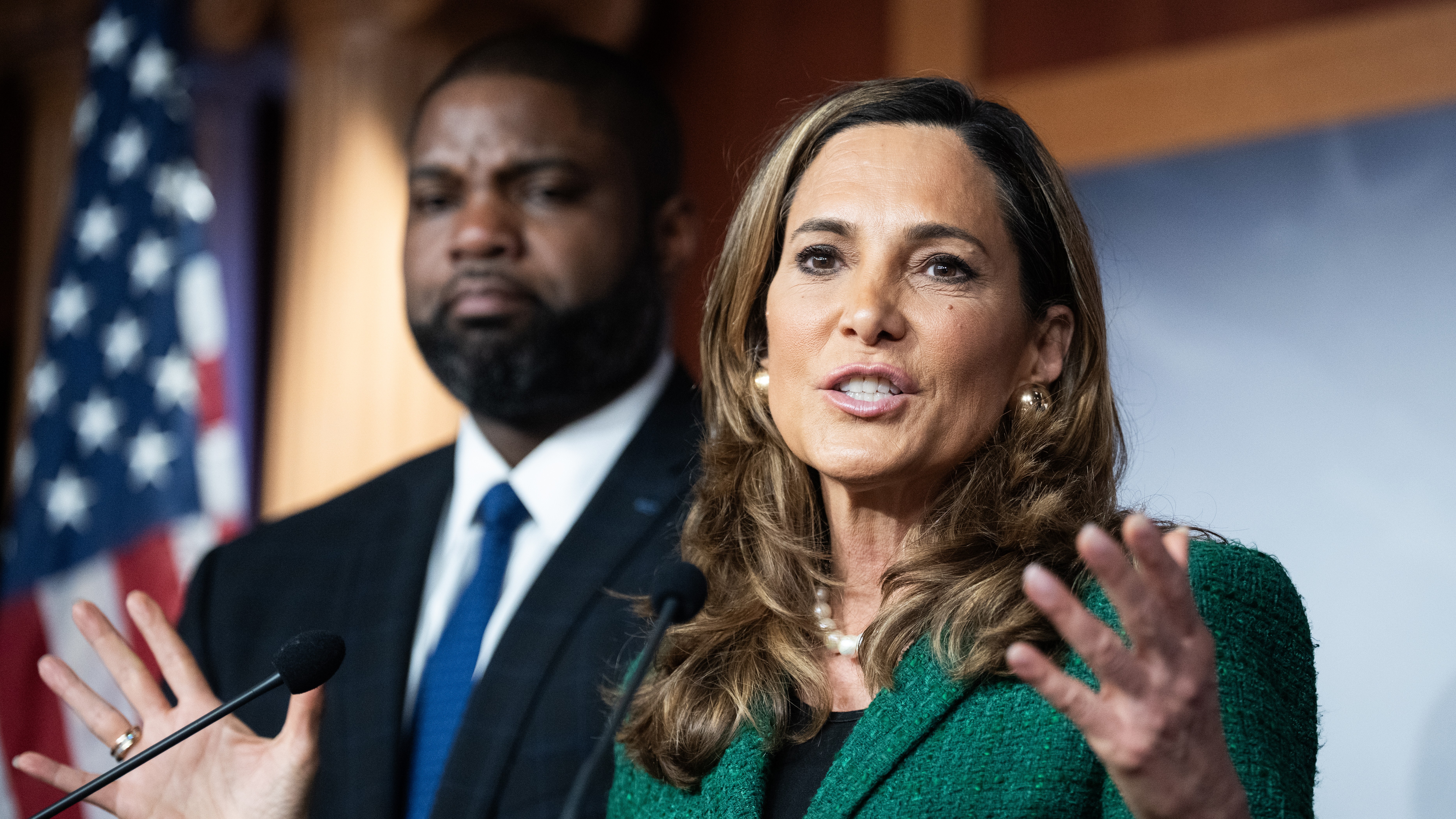
Republican incumbents are employing a strategic maneuver to distance themselves from President Donald Trump in an effort to improve their electoral prospects in the upcoming midterm elections. This strategy involves downplaying their association with the former president and focusing on local issues or broader Republican platform points that may resonate more broadly with the electorate. The underlying assumption is that Trump's polarizing figure may alienate moderate voters and independents, and that by creating a perceived separation, these candidates can appeal to a wider demographic.
However, this approach faces considerable headwinds. President Trump retains a significant and loyal following within the Republican base, which is crucial for turnout in primary elections and often for general election success in many districts. Candidates who overtly distance themselves risk alienating these core supporters, potentially leading to reduced enthusiasm and lower voter participation in their campaigns. Furthermore, Trump himself has a history of actively engaging in primary challenges against Republicans he perceives as disloyal, which could put incumbents in a precarious position even before the general election.
The effectiveness of this distancing strategy is also contingent on the specific political landscape of each district or state. In areas with a strong Republican majority and a deep base of Trump supporters, such a strategy might be politically untenable. Conversely, in swing districts or states where moderate voters hold sway, a calculated distance might offer a path to victory. The challenge for these incumbents lies in calibrating this distance precisely – enough to appeal to swing voters without alienating the party faithful.
Political analysts suggest that the success of this strategy will depend on several factors, including the extent of Trump's direct involvement in campaigns, the national political climate, and the specific messaging employed by the candidates. If Trump remains a dominant figure in national political discourse and continues to endorse candidates enthusiastically, it may become increasingly difficult for Republican incumbents to carve out an independent identity. The midterm elections are often seen as a referendum on the sitting president, but in this cycle, they may also serve as a test of the Republican Party's enduring relationship with Donald Trump and the effectiveness of strategies designed to navigate that complex dynamic.
Original source — read the full reporting at the publisher:
Read on The AtlanticGet the weekly AI digest
AI news + new model releases, weekly. Drafted by our agents, reviewed by humans.