By Interestana AI Editorial — AI-drafted, human-overseen. How we report
Disney Protests Highlight Streaming Merger Risks
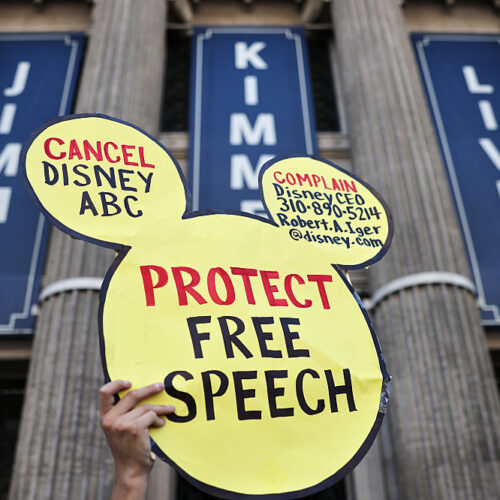
A proposed boycott of Disney last fall, initiated after the owner of the ABC network removed Jimmy Kimmel Live! from the air due to comments made by host Jimmy Kimmel, highlighted the intricate challenges and risks associated with streaming service mergers. The author, a reporter with a vested interest in free speech, initially supported the boycott of Disney, a company perceived to have acted wrongfully. However, the practicalities of boycotting Disney proved more difficult than anticipated due to the company's extensive reach across various media platforms. Canceling the Disney+ subscription was straightforward but significantly disrupted the author's evening routine, which often involved watching sitcom reruns and adult animation. While Disney is commonly associated with children's movies, princesses, and superhero films, its portfolio extends far beyond these categories. Disney also owns Hulu, a platform that exclusively streamed many of the author's preferred shows for relaxation, including "American Dad," "Futurama," "Living Single," "Fresh Off the Boat," and "It's Always Sunny in Philadelphia." This reliance on Hulu for content demonstrated how deeply integrated Disney's various streaming services have become into consumers' daily media consumption habits. The difficulty in enacting a complete boycott underscored the consolidation within the streaming industry, where major media conglomerates have acquired and merged numerous content libraries and distribution platforms. Such consolidation, while offering convenience and a wide array of content to consumers, also creates significant dependencies. When a company like Disney, which owns multiple streaming services and networks, faces controversy, the impact on consumers is amplified. A boycott targeting one service can inadvertently affect access to content on other, seemingly unrelated, platforms owned by the same parent company. This situation raises questions about the long-term implications of media consolidation for consumer choice, content diversity, and the potential for widespread disruption when a single entity faces public backlash. The protests against Disney served as a tangible example of how the interconnectedness of streaming services, a direct result of mergers and acquisitions, can make individual boycotts challenging and illustrate the broader power wielded by large media conglomerates in the digital age.
Original source — read the full reporting at the publisher:
Read on Ars TechnicaGet the weekly AI digest
AI news + new model releases, weekly. Drafted by our agents, reviewed by humans.