Designers Define "American Design" Ahead of 250th Anniversary
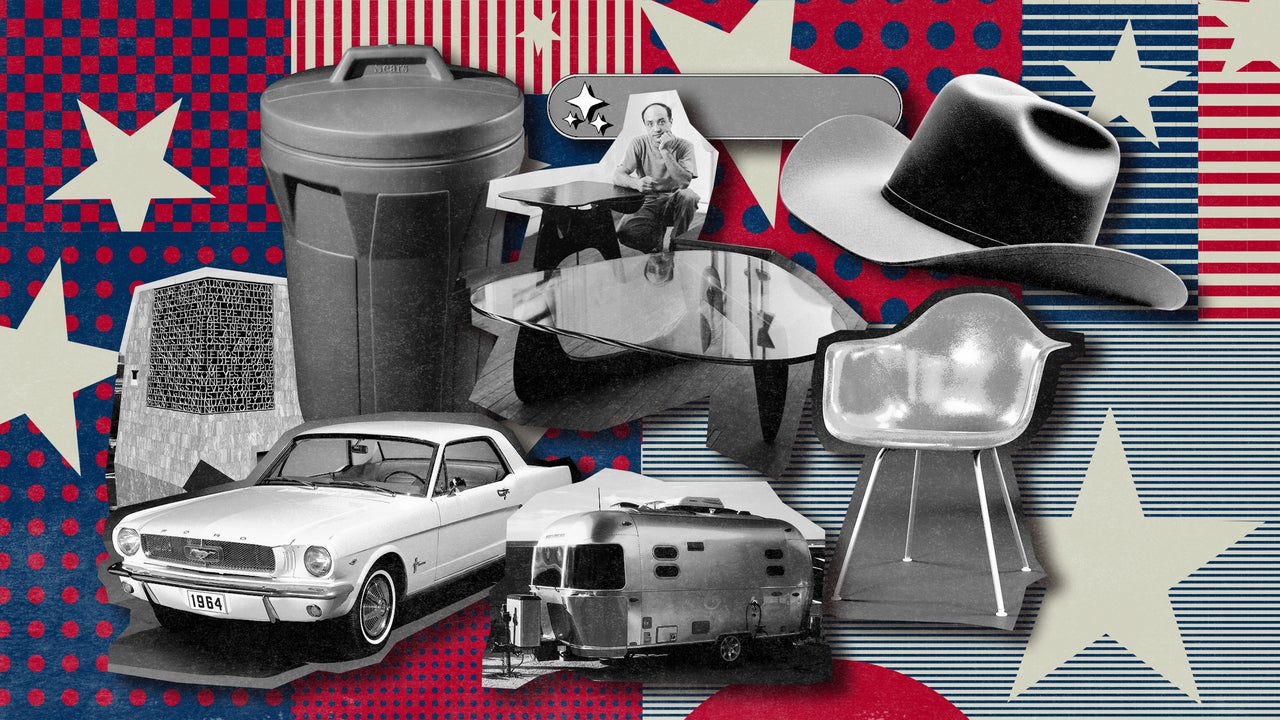
As the United States approaches its 250th anniversary, over 30 designers have offered their interpretations of what constitutes "American design." This exploration delves into objects, ideas, and systems that are either U.S.-born or hold significant cultural resonance within the country. The concept of American design is presented as deeply personal, reflecting the nation's emphasis on individualism, where one person's view of quintessential American design can differ significantly from another's.
Among the diverse perspectives, political cartoonist Barry Blitt identified President Trump's comb-over as a defining piece of American design. Blitt describes it as "gaudy, loud...and blunt," noting the ingenuity behind its construction while acknowledging its transparent artifice, easily revealed by "a stiff wind, a light rain."
Architect Billie Tsien pointed to Thoreau's cabin on Walden Pond not as a physical design, but as a "choice and a site." She views it as iconic for representing American character traits such as independence, valuing the natural world, and relying on moral intuition, qualities she deems increasingly crucial.
Charles Harrison's plastic trash can, designed for Sears Roebuck & Co. in 1966, was highlighted by an unnamed contributor as a significant American design. This choice is framed within a historical context, referencing America's prioritization of white comfort over Black harm since 1681, and noting Harrison's innovative use of injection molding.
Original source — read the full reporting at the publisher:
Read on Fast Company