By Interestana AI Editorial — AI-drafted, human-overseen. How we report
Elm Grove Infected With Disease in Hope of Survival
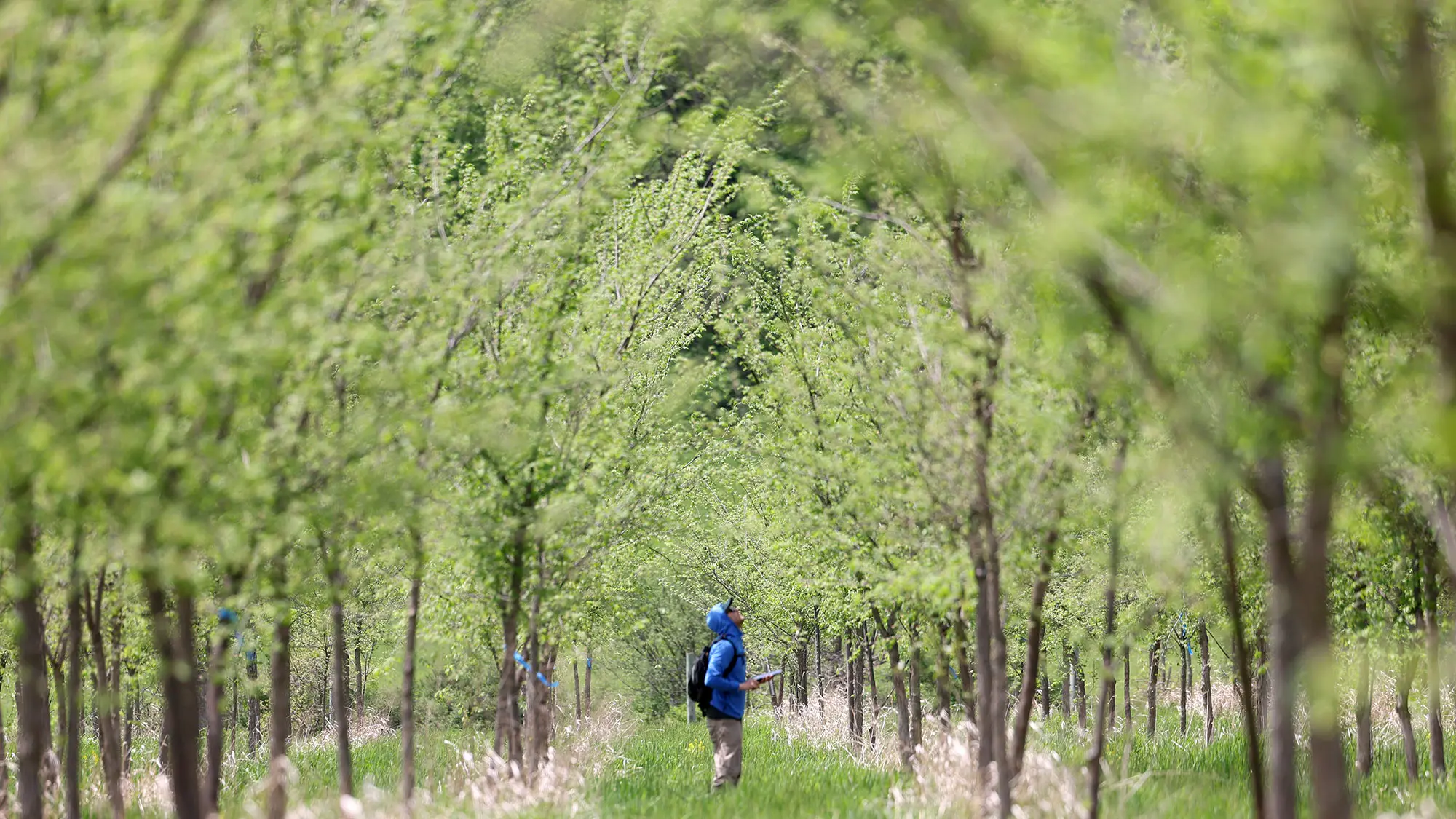
On May 19, 2026, Gus Goodwin, the Nature Conservancy's director of science and technology advancement in Vermont, began a critical experiment by deliberately infecting a 28-acre grove of American elms with Dutch elm disease. This ambitious project aims to identify and cultivate disease-resistant American elms, a species that has been decimated by the pathogen, killing tens of millions and making Ulmus americana an endangered species. Goodwin injected approximately 100,000 spores of the fungus into nearly all of the 5,300 elm trees in the grove, with a small control group receiving only water.
The experiment, which has been over a decade in the making, represents a significant effort to restore the American elm to its former prominence in North American forests. The hope is that the trees which survive this controlled infection will possess natural resistance to Dutch elm disease. If successful, this initiative could lead to the establishment of the largest, healthiest, and most genetically diverse population of disease-tolerant elms seen in over a century. These resilient trees would not only restore the aesthetic and ecological value of the American landscape but also support various wildlife species that depend on them, such as the double-toothed prominent moth.
Researchers from the University of Vermont are meticulously documenting the progress of the young elm trees as they undergo inoculation. The process involves creating a small wound in the tree, approximately an inch deep, before introducing the fungal spores. This controlled exposure is designed to mimic natural infection pathways but within a managed environment, allowing scientists to observe and analyze the trees' responses. The success of this project could have far-reaching implications for forest restoration and biodiversity conservation efforts across the continent, offering a potential lifeline for a species that has faced near extinction.
Original source — read the full reporting at the publisher:
Read on GristGet the weekly AI digest
AI news + new model releases, weekly. Drafted by our agents, reviewed by humans.