By Interestana AI Editorial — AI-drafted, human-overseen. How we report
Bitcoin Long-Term Price Action Ignores Bond Yields
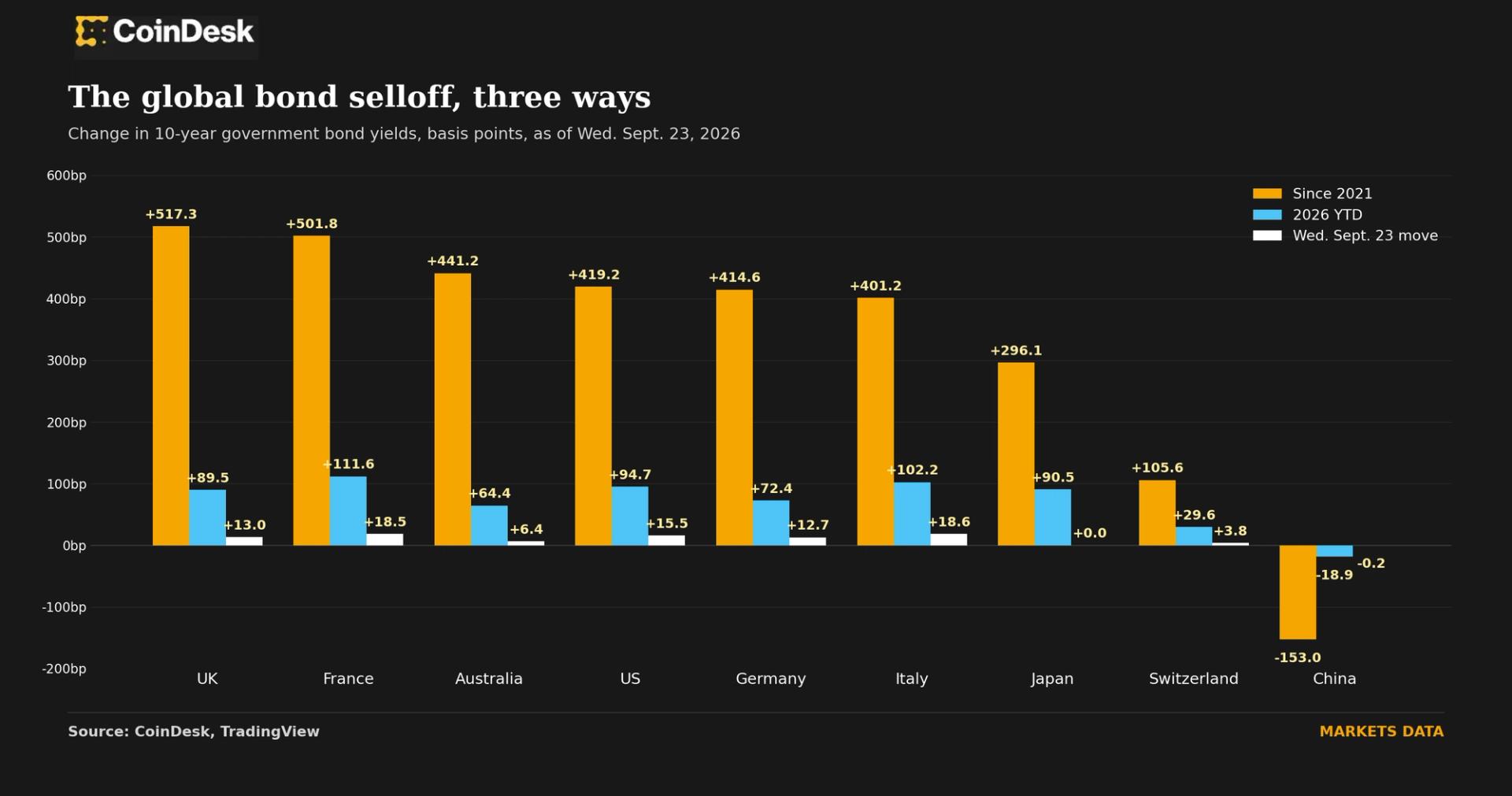
Bitcoin's long-term price performance demonstrates a notable independence from the movements of bond yields, according to recent data analysis. While short-term market dynamics can exhibit sensitivity to surging bond volatility, the underlying trend for Bitcoin suggests it operates on a different macroeconomic clock. This divergence implies that investors focused on the long-term potential of Bitcoin may find that traditional fixed-income indicators offer limited predictive power.
The analysis highlights that over extended periods, Bitcoin has continued its upward or downward trends irrespective of whether bond yields were rising or falling. This suggests that factors such as technological adoption, network effects, institutional investment, and global macroeconomic trends unrelated to interest rate policy play a more significant role in shaping Bitcoin's long-term value proposition. Conversely, the report cautions that in the shorter term, periods of heightened volatility in the bond market can indeed influence broader market sentiment, potentially dampening speculative appetite within the cryptocurrency space. This short-term correlation is attributed to a general risk-off sentiment that can spread across asset classes when fixed-income markets experience significant price swings.
This distinction between short-term and long-term behavior is crucial for investors and analysts seeking to understand Bitcoin's market dynamics. The cryptocurrency's nascent stage of development and its positioning as a potential store of value or a digital alternative to gold mean its price discovery mechanism may differ from traditional assets. Factors such as halving events, regulatory developments, and the adoption of Bitcoin for payments or as a reserve asset by corporations and even nations, are likely more influential over the long haul than the immediate reaction of bond markets to central bank policy. The data suggests that while short-term traders might react to bond yield spikes, long-term holders are less likely to be swayed, focusing instead on the fundamental growth and adoption trajectory of the digital asset.
Therefore, the assertion that Bitcoin "doesn't care about rising bond yields over the long-term" is supported by observed price action that deviates from the expected inverse relationship seen in many traditional asset classes. This implies that a strategic approach to Bitcoin investment should prioritize understanding its unique ecosystem and adoption drivers, rather than solely relying on correlations with established financial instruments like government bonds. The market's resilience to bond yield shifts over extended periods underscores Bitcoin's evolving role in the global financial landscape, positioning it as an asset class with its own set of influencing factors and a distinct long-term outlook.
Original source — read the full reporting at the publisher:
Read on CoinDeskGet the weekly AI digest
AI news + new model releases, weekly. Drafted by our agents, reviewed by humans.