By Interestana AI Editorial — AI-drafted, human-overseen. How we report
Data Center Boom Faces Climate and Resource Blind Spot
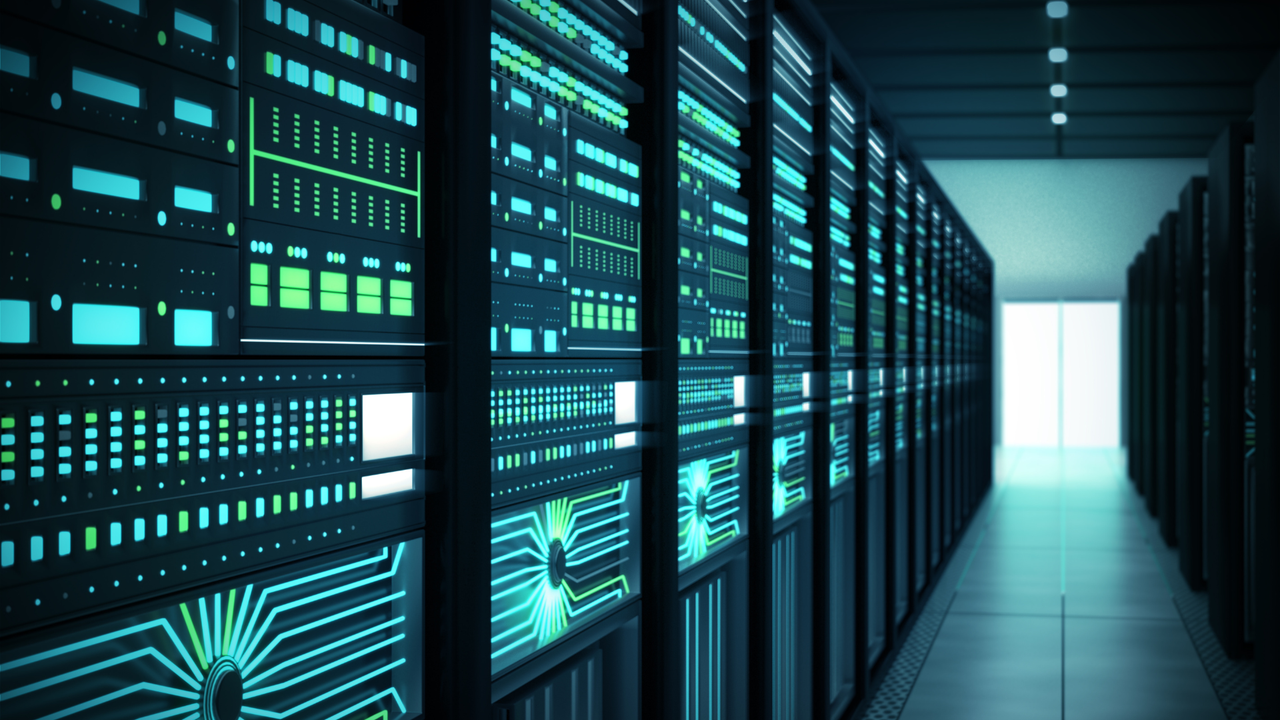
The global construction of data centers is accelerating rapidly, fueled by the demands of artificial intelligence, cloud computing, and the continuous expansion of digital services. This buildout is occurring at a pace exceeding that of any other asset class, with hyperscalers, the large-scale operators of cloud infrastructure, actively securing leases and developers commencing new projects. Governments are also actively competing to attract these significant investments, with speed emerging as the primary metric for success in this competitive landscape. However, this intense focus on rapid scaling carries a substantial risk: the industry may be overlooking critical climate and resource considerations, potentially leading to significant economic and operational challenges in the future.
Data centers are long-lived assets, typically designed for operational lifespans of 20 to 30 years. Consequently, the decisions made today regarding materials, energy systems, cooling technologies, and the selection of construction sites will profoundly influence their future performance. A significant portion of the current expansion is optimized for speed and capacity rather than long-term resilience. This approach involves the deployment of carbon-intensive materials like concrete and steel at an unprecedented scale. Furthermore, many new facilities are connecting to power grids that are already experiencing considerable strain. Cooling systems are being installed in regions that are increasingly facing water scarcity. These choices, made with a focus on immediate deployment, are not only expensive but can also be irreversible, leading to a form of infrastructure lock-in where emissions, energy dependencies, and water risks are embedded before their long-term implications are fully understood.
Ignoring these crucial factors in the initial stages of development creates a cascading series of risks for the data center industry. The "build first, optimize later" mentality can lead to substantial hidden costs and operational vulnerabilities. For instance, reliance on strained power grids can result in higher energy costs and potential service disruptions, especially as demand for computing power continues to surge. Similarly, the use of cooling systems in water-stressed areas can lead to increased operational expenses due to water acquisition and treatment, and could even trigger regulatory scrutiny or community opposition. The long-term economic viability of these facilities may be compromised if they are unable to adapt to evolving environmental regulations, resource availability, or the physical impacts of climate change, such as extreme weather events.
If climate and resource considerations are relegated to a secondary status, to be addressed only after facilities are constructed, the data center industry could face a future marked by higher operational costs, significant regulatory backlash, the creation of stranded assets that lose their economic value prematurely, and avoidable reputational damage. The current buildout, driven by the immediate demand for AI and digital services, necessitates a strategic shift towards integrating sustainability and resilience from the outset. This includes exploring alternative, lower-carbon building materials, investing in renewable energy sources and grid modernization, and adopting advanced, water-efficient cooling technologies. Proactive planning and investment in these areas are essential to mitigate future risks and ensure the long-term success and sustainability of the data center sector.
Original source — read the full reporting at the publisher:
Read on Fast CompanyGet the weekly AI digest
AI news + new model releases, weekly. Drafted by our agents, reviewed by humans.