By Interestana AI Editorial — AI-drafted, human-overseen. How we report
Left-Wing Populists Oppose AI Regulation
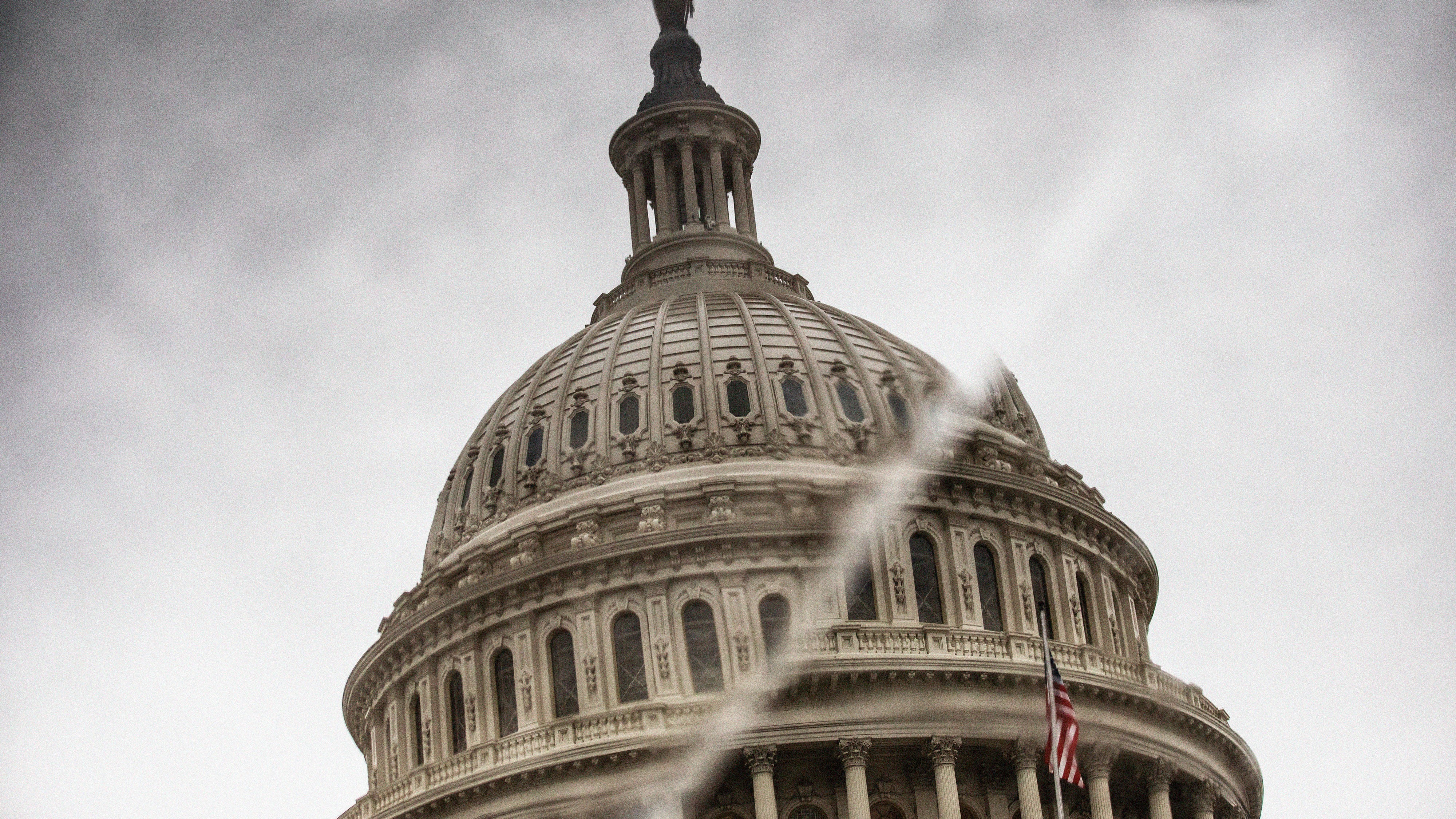
A curious alignment has emerged within some left-wing populist circles regarding artificial intelligence regulation, where arguments against government oversight are being voiced, often stemming from a deep-seated opposition to concentrated corporate power and monopoly concerns. This perspective, detailed in an analysis of the populist anti-monopoly movement, suggests that the very entities advocating for regulation might be seeking to entrench their own market dominance, thereby stifling competition and innovation. The argument posits that large technology companies, which are at the forefront of AI development, could leverage regulatory frameworks to create barriers to entry for smaller competitors, effectively solidifying their monopolistic positions. This viewpoint creates an unexpected parallel with some industry voices that also express reservations about certain regulatory proposals, albeit for different underlying reasons. The analysis highlights how this anti-regulatory stance, originating from a place of concern for market fairness and consumer choice, inadvertently echoes arguments made by established tech giants seeking to shape or avoid restrictive policies. The underlying principle is that government intervention, even with good intentions, can be co-opted by powerful incumbents to serve their own interests, a dynamic that resonates with historical critiques of corporate influence over policy. This creates a complex landscape where traditional ideological divides are blurred, with some on the left finding common ground with certain industry perspectives on the potential pitfalls of AI governance. The core of this left-wing populist argument is not necessarily a defense of AI itself, but rather a skepticism towards the mechanisms through which it might be regulated, fearing that such mechanisms could inadvertently strengthen the very monopolies they aim to curb. This perspective challenges the conventional notion that all calls for regulation, particularly in a rapidly evolving technological field like AI, are inherently progressive or beneficial for society at large. Instead, it suggests a need for a more nuanced examination of who benefits from proposed regulations and whether they truly serve to democratize access and opportunity or merely reinforce existing power structures. The analysis points to the populist movement's broader critique of concentrated economic power as the foundation for its stance on AI, suggesting that the fight against monopolies extends into the digital and artificial intelligence realms. This involves scrutinizing the potential for AI to exacerbate wealth inequality and further concentrate power in the hands of a few dominant corporations, leading to a call for caution regarding regulatory approaches that might inadvertently legitimize or expand this concentration. The argument is that if regulation is not carefully crafted, it could become a tool for established players to maintain their dominance, a concern that aligns with the populist movement's broader agenda of challenging unchecked corporate power across various sectors of the economy. The implications of this viewpoint suggest that the debate over AI regulation is not solely a technical or ethical one, but also deeply intertwined with broader economic and political ideologies concerning market structure and corporate influence.
Original source — read the full reporting at the publisher:
Read on The AtlanticGet the weekly AI digest
AI news + new model releases, weekly. Drafted by our agents, reviewed by humans.