By Interestana AI Editorial — AI-drafted, human-overseen. How we report
Michigan Democrats Face Senate Election Crisis
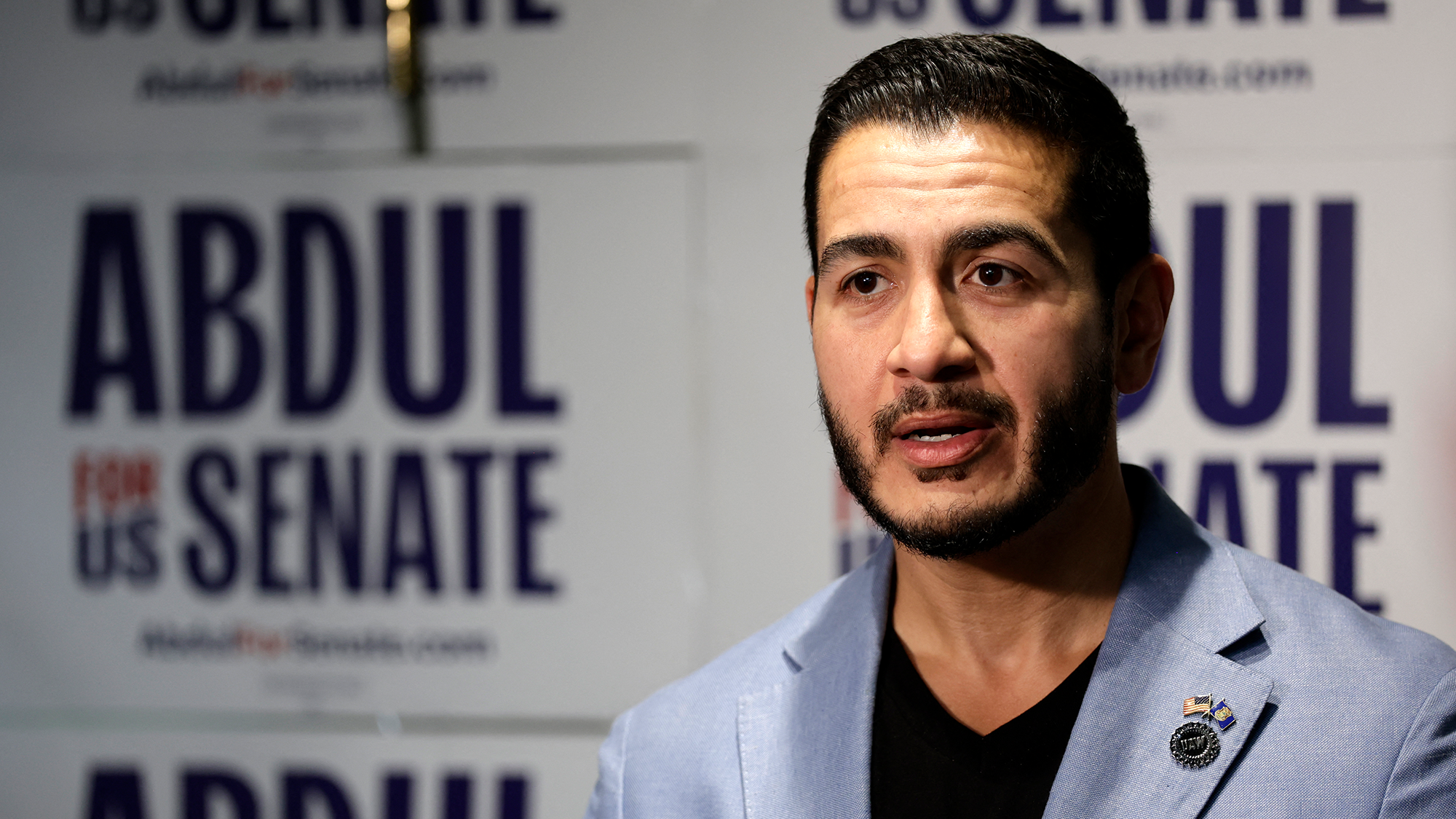
Michigan Democrats are facing a significant electoral challenge in the upcoming Senate election, a situation that presents a grim choice for liberal voters. The core of the dilemma lies in the potential for a split in the liberal vote, which could inadvertently benefit Republican candidates. This scenario is particularly concerning given the state's history of close elections and its pivotal role in national political outcomes. The Democratic party in Michigan is grappling with how to unify its base and appeal to a broad spectrum of voters in a highly polarized environment. The election is seen as a critical test for the party's ability to maintain its hold on a key swing state.
The potential for a fractured liberal vote stems from various factors, including differing priorities among progressive factions and the emergence of independent or third-party candidates who may draw support away from the main Democratic nominee. This dynamic creates a complex strategic landscape for the party, which must balance appeasing its progressive base with attracting moderate and independent voters. The outcome in Michigan could have far-reaching implications for the balance of power in the Senate, making this election a focal point for national political analysis. The party's strategists are reportedly working to mitigate these risks by emphasizing common ground and the broader stakes of the election.
Analysts suggest that the Republican party is poised to capitalize on any division within the Democratic ranks. The state's political climate is characterized by a strong independent voting bloc that often swings elections, and any significant dissatisfaction among Democratic-leaning voters could shift this bloc towards the Republican candidate. The campaign is expected to be intensely fought, with both parties investing heavily in outreach and messaging to sway undecided voters. The specific candidates and their platforms will play a crucial role in shaping voter perceptions and ultimately determining the election's result. The Democratic party's success hinges on its ability to present a united front and articulate a compelling vision that resonates with a diverse electorate.
The broader context of national political trends also influences the Michigan Senate race. Issues such as the economy, social policies, and the direction of the country are likely to be prominent themes. The ability of the Democratic candidate to effectively address these concerns and differentiate themselves from their Republican opponent will be paramount. Furthermore, the performance of the incumbent Democratic administration at the federal level may also cast a shadow or provide a boost to the party's prospects in the state. The election serves as a microcosm of larger political battles being waged across the United States, highlighting the challenges and opportunities facing the Democratic party in the current political era.
Original source — read the full reporting at the publisher:
Read on The AtlanticGet the weekly AI digest
AI news + new model releases, weekly. Drafted by our agents, reviewed by humans.