By Interestana AI Editorial — AI-drafted, human-overseen. How we report
Craftsmanship Revival May Be Real, Author Argues
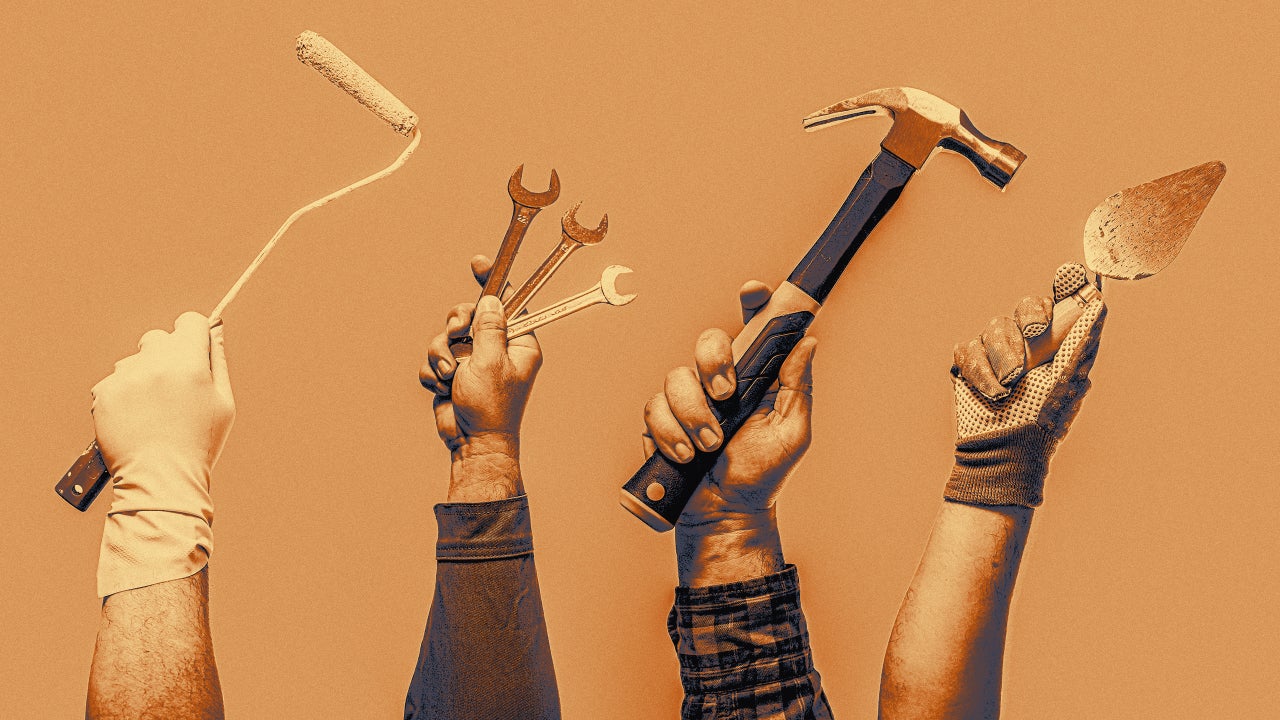
The concept of a "craftsmanship revival," where individuals move from deskilled labor to more autonomous and fulfilling work, is explored as potentially becoming a reality. In 2019, a book titled "From Graft to Craft" posited that craftsmanship is not confined to specific sectors but represents a fundamental model of work applicable across professions. The author distinguishes between "graft," characterized by fragmented, deskilled, and industrialized toil, and "craft," which involves producing a complete piece of work that an individual can claim ownership of and put their name to. Working as a craftsperson, according to this framework, entails autonomy, responsibility, creativity, and mastery over a tangible outcome. This ideal should theoretically extend to roles such as software developers, nurses, and consultants, who often find themselves performing deskilled tasks leading to alienation and boredom.
For years, media narratives have highlighted instances of individuals with graduate degrees leaving conventional "bullshit jobs" to pursue artisanal careers like baking, cheesemaking, or brewing. These stories, often focusing on rediscovered meaning and hands-on work, have captivated the public and journalists alike, who are perpetually seeking compelling narratives of personal transformation. However, the author contends that this widespread fascination has historically exaggerated the actual prevalence of such career shifts. The phenomenon of "neoartisans" was statistically marginal, a trend amplified due to its resonance with a shared desire for more meaningful work and a nostalgic longing for a perceived past wholeness in labor, which may not have existed in reality.
The author's argument suggests that while the media has fixated on these individual reinventions, the underlying structural conditions that lead to deskilled work have persisted. The initial premise of the 2019 book was that the principles of craft—autonomy, skill mastery, and pride in a finished product—could be applied to a much broader range of occupations beyond traditional trades. This perspective challenges the notion that only manual labor can be considered "craft." Instead, it proposes a framework for evaluating and restructuring work across various fields to foster greater engagement and satisfaction. The enduring appeal of these stories, despite their statistical rarity, points to a deep-seated human need for work that is not only productive but also personally meaningful and allows for a sense of accomplishment and identity.
The potential revival of craftsmanship, as suggested by the article, hinges on a broader societal and economic shift that prioritizes the quality of work and the well-being of workers. It implies a move away from purely efficiency-driven models that often lead to job fragmentation and a greater emphasis on roles that allow for skill development, creative input, and direct accountability for outcomes. The author's continued exploration of this theme suggests that the conditions for such a shift may be maturing, moving beyond a niche trend to a more widespread reevaluation of what constitutes valuable and fulfilling labor in the modern economy. This reevaluation could impact how jobs are designed, how employees are trained, and how the success of businesses is measured, potentially leading to a more human-centered approach to work.
Original source — read the full reporting at the publisher:
Read on Fast CompanyGet the weekly AI digest
AI news + new model releases, weekly. Drafted by our agents, reviewed by humans.