By Interestana AI Editorial — AI-drafted, human-overseen. How we report
Court Ruling on Executive Power Sparks Separation of Powers Debate
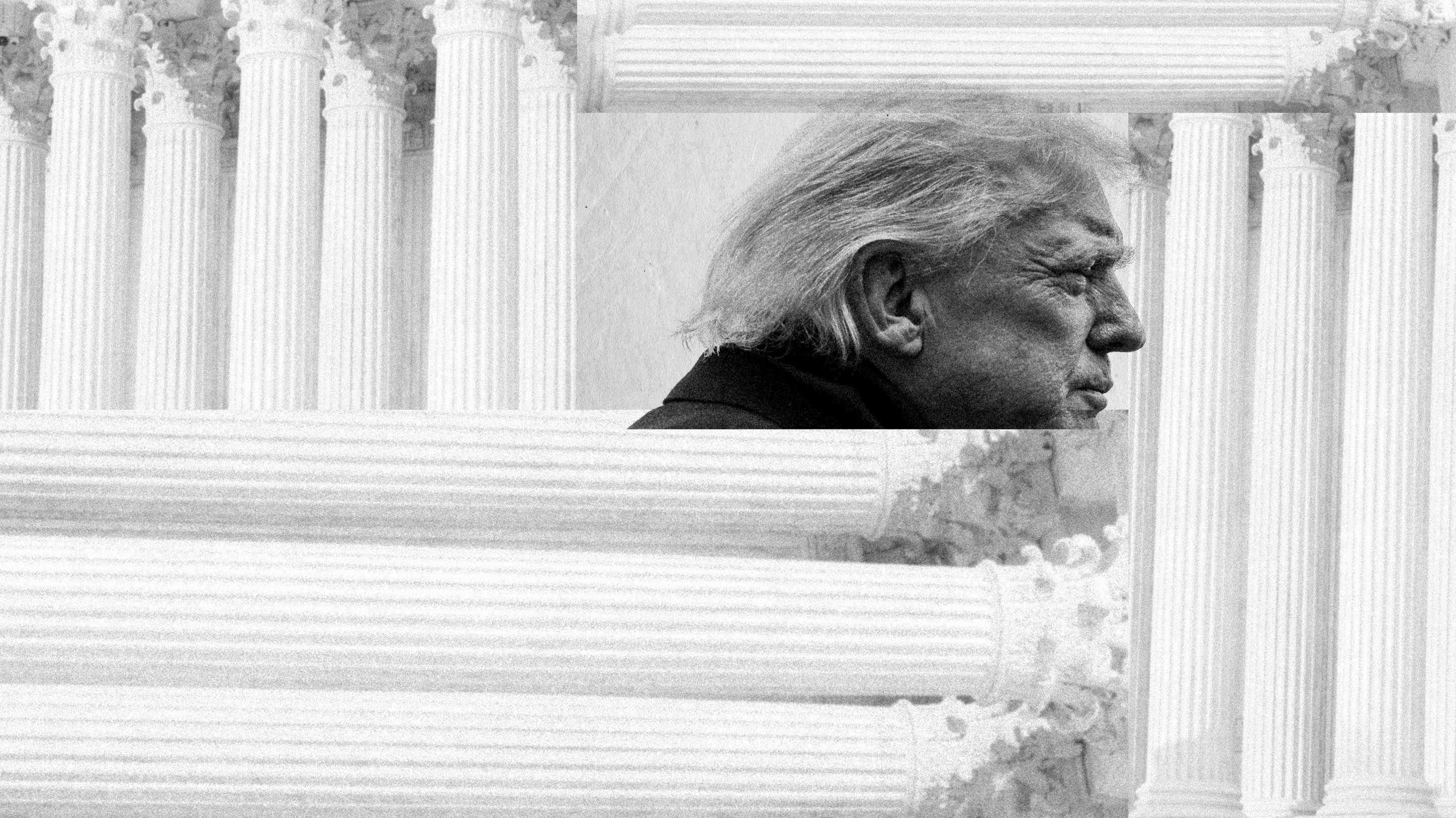
A recent judicial ruling has intensified the ongoing debate surrounding the separation of powers within the U.S. government, with critics asserting that the court has overstepped its authority and encroached upon executive functions. The core of the contention lies in the judiciary's perceived overreach, which opponents argue undermines the distinct roles and responsibilities allocated to each branch under the Constitution. This legal challenge stems from a specific case that involved a significant executive action, prompting the court to issue a directive that many believe infringes upon the President's inherent powers.
The argument against the court's decision posits that the judiciary's role is to interpret laws and ensure their constitutionality, not to dictate or unduly influence the operational decisions of the executive branch. Proponents of this view emphasize that a robust separation of powers is crucial for preventing any single branch from accumulating excessive authority, thereby safeguarding democratic principles. They contend that the court's intervention in this instance sets a dangerous precedent, potentially emboldening future judicial activism that could paralyze executive action and disrupt governmental efficiency.
Conversely, supporters of the court's ruling maintain that the executive branch, in its recent actions, had demonstrated a pattern of behavior that bordered on lawlessness, necessitating judicial oversight. They argue that the Constitution provides checks and balances precisely for such situations, empowering the courts to intervene when executive actions exceed legal or constitutional boundaries. This perspective suggests that the court's decision was not an act of overreach but a necessary assertion of its constitutional duty to hold the executive accountable and uphold the rule of law. The specific executive actions in question, though not detailed here, are central to this argument, with proponents of the ruling pointing to them as evidence of executive overreach that warranted judicial correction.
The broader implications of this ruling extend to the fundamental understanding of executive privilege and presidential authority. Legal scholars and political analysts are divided on whether this decision represents a necessary recalibration of power or an unwarranted judicial intrusion. The debate highlights the enduring tension between the need for an effective and decisive executive and the imperative to constrain governmental power through constitutional checks. The outcome of this dispute could significantly shape the future relationship between the judiciary and the executive, influencing how future executive actions are scrutinized and challenged.
Original source — read the full reporting at the publisher:
Read on The AtlanticGet the weekly AI digest
AI news + new model releases, weekly. Drafted by our agents, reviewed by humans.