By Interestana AI Editorial — AI-drafted, human-overseen. How we report
Color Recession May Be Permanent Due to Consumer Fear
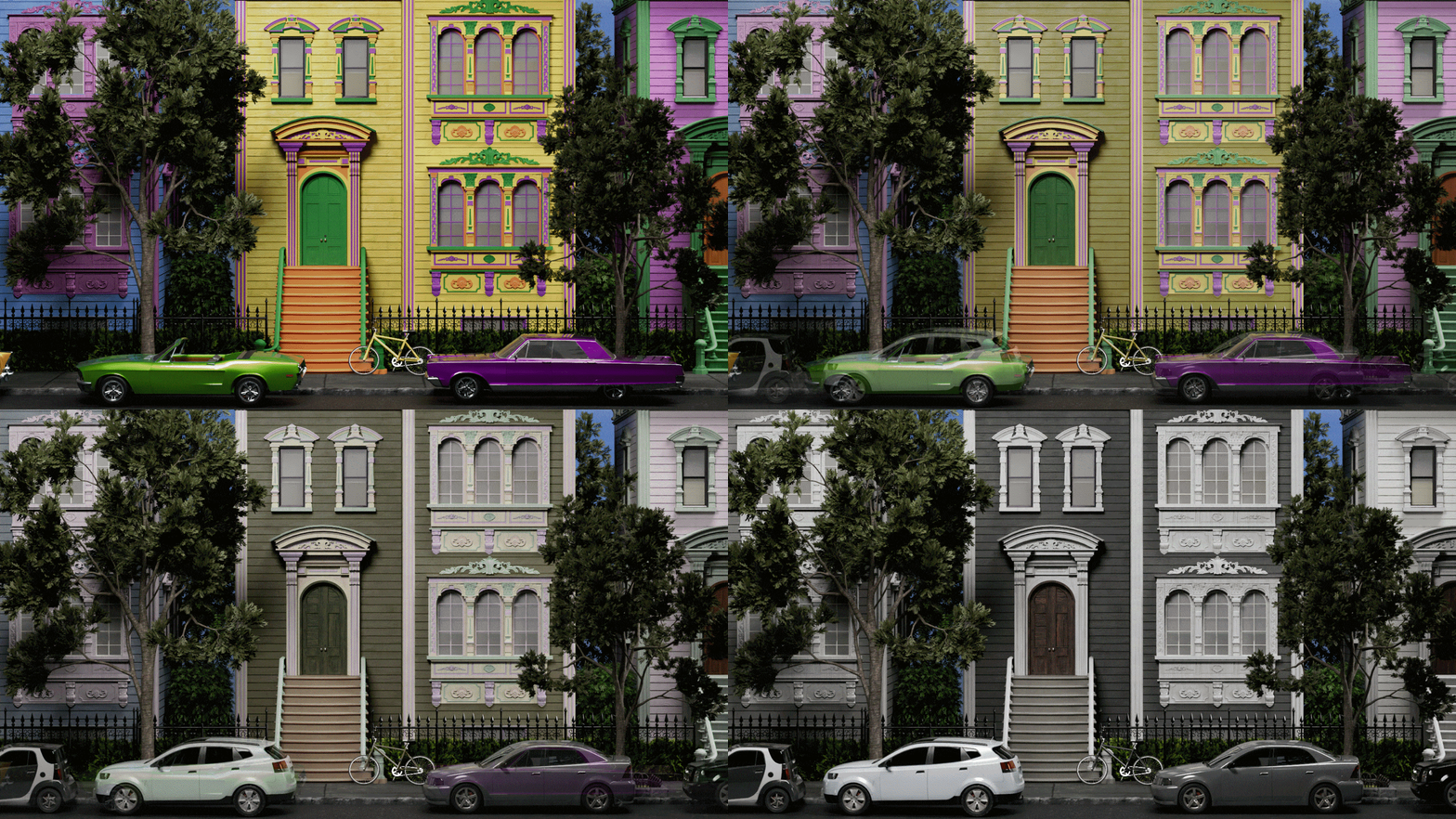
A phenomenon termed the "color recession" suggests a permanent shift in consumer behavior where individuals are increasingly avoiding the use of color in their purchasing decisions. This trend stems from a pervasive fear of selecting the wrong colors, leading to a preference for neutral palettes or a complete avoidance of color altogether. The underlying cause appears to be a heightened anxiety around aesthetic choices, possibly exacerbated by the constant exposure to curated and often unattainable visual standards on social media and in advertising.
This avoidance of color is not limited to specific product categories but appears to be a broad consumer sentiment. When consumers are unsure about color choices, they opt for safety, which often translates to black, white, grey, or beige. This behavior impacts various industries, from fashion and home decor to automotive and technology, where color has historically played a significant role in product appeal and differentiation. The fear of making a "wrong" choice can lead to indecision, delayed purchases, or a preference for products that offer minimal visual risk.
The implications of this "color recession" are substantial for brands and designers. It challenges traditional marketing strategies that rely on color to evoke emotions, attract attention, and build brand identity. Companies may need to rethink their product development and marketing approaches to cater to a consumer base that prioritizes neutrality and safety over bold or experimental color palettes. This could lead to a homogenization of product offerings and a reduced emphasis on color as a key design element.
Furthermore, the concept suggests a potential long-term shift in aesthetic preferences. While color trends have historically fluctuated, the "color recession" posits a more fundamental change in how consumers perceive and interact with color. The fear of making an incorrect aesthetic judgment may become deeply ingrained, leading to a permanent recalibration of what is considered visually appealing or acceptable. This could necessitate a re-evaluation of color theory and its application in consumer-facing industries, as the traditional understanding of color's impact may no longer hold true for a significant portion of the market.
Original source — read the full reporting at the publisher:
Read on The AtlanticGet the weekly AI digest
AI news + new model releases, weekly. Drafted by our agents, reviewed by humans.