By Interestana AI Editorial — AI-drafted, human-overseen. How we report
Clarity Act Delayed to September; Banks Proceed With Crypto Plans
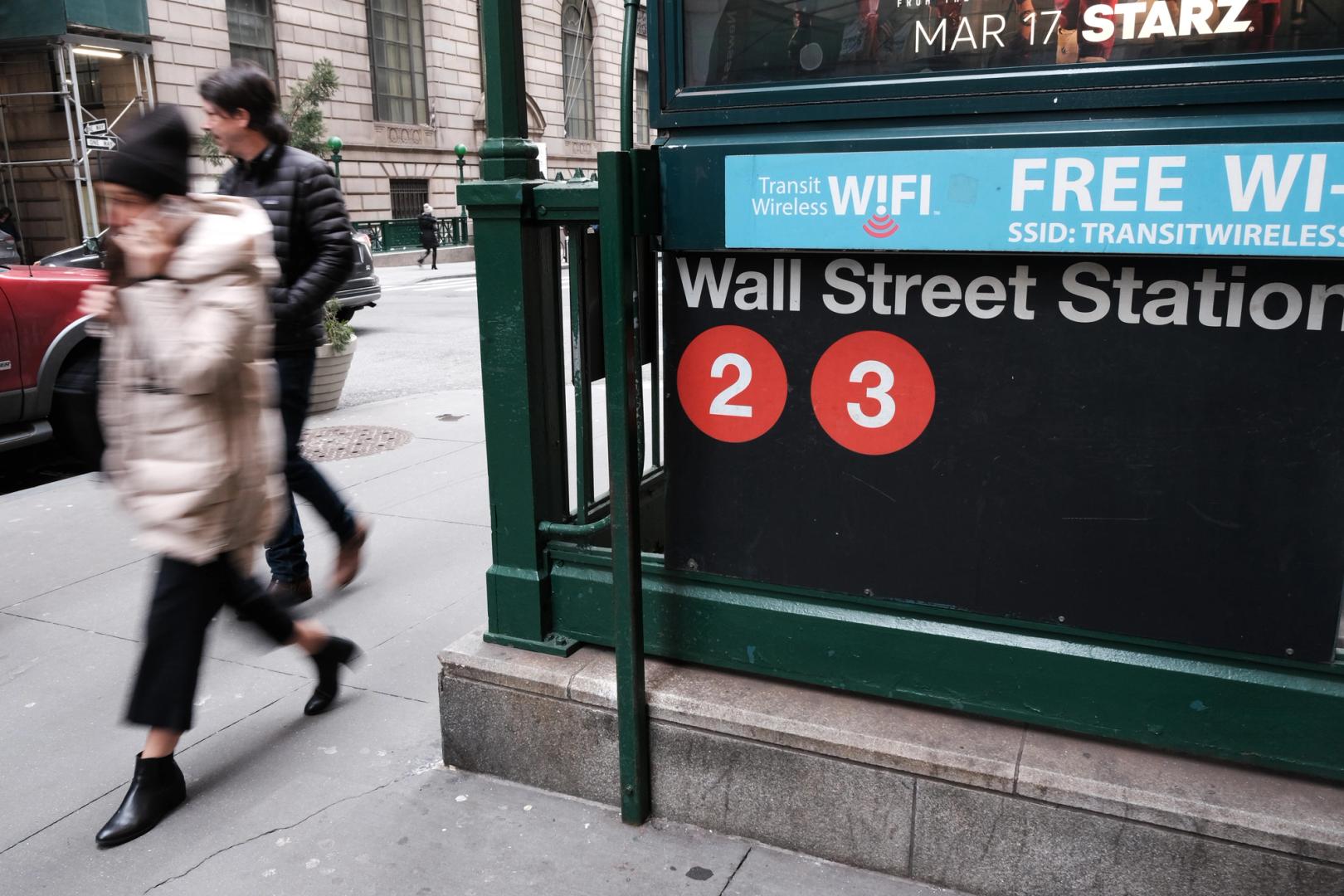
The proposed Clarity Act, intended to establish regulatory frameworks for digital assets, has been postponed to September, a delay that inadvertently benefits established cryptocurrency entities by extending the period of regulatory uncertainty. This extended timeline allows companies already operating within the digital asset space to solidify their positions and infrastructure without immediate, potentially restrictive, new rules. The delay, however, does not halt progress for traditional financial institutions, which are actively building their own digital asset capabilities. These banks are proceeding with the development of infrastructure and services related to cryptocurrencies and other digital assets, anticipating future regulatory clarity and seeking to capitalize on the evolving market. This proactive approach by banks suggests a strategic move to gain a competitive advantage and integrate digital assets into their existing financial ecosystems.
Vassilis Tziokas, writing for Matter Labs, argues that each month without settled rules quietly rewards the established "walled garden" of existing crypto players. This implies that companies with existing infrastructure and market presence are better positioned to navigate and influence future regulations, potentially creating barriers to entry for new competitors. The extended period without definitive legislation allows these incumbents to further entrench themselves, making it more challenging for newcomers to establish a foothold. The lack of clear guidelines can also foster an environment where innovation is channeled into existing, controlled platforms rather than open, decentralized systems.
Banks, on the other hand, are leveraging this period of ambiguity to their advantage. They are investing in technology and talent to build the necessary infrastructure for digital asset custody, trading, and other related services. This includes exploring blockchain technology, stablecoins, and other digital asset classes. The rationale behind this is to be prepared for when regulations are finalized, allowing them to offer these services seamlessly to their clients. This strategic development by financial institutions indicates a growing recognition of digital assets as a significant component of the future financial landscape, even in the absence of a fully defined regulatory environment. The continued investment by banks suggests a belief in the long-term viability and integration of digital assets within mainstream finance.
The delay of the Clarity Act to September means that the debate and formulation of rules will continue for several more months. This prolonged period of deliberation highlights the complexity of regulating digital assets, which span technological innovation, financial markets, and consumer protection. The ongoing discussions are crucial for shaping a regulatory environment that can foster innovation while mitigating risks. The industry, including both established crypto firms and traditional financial institutions, will be closely monitoring these developments to adapt their strategies accordingly. The anticipation of the Clarity Act's finalization in September underscores the critical juncture at which the digital asset market finds itself, poised for significant evolution under a more defined regulatory structure.
Original source — read the full reporting at the publisher:
Read on CoinDeskGet the weekly AI digest
AI news + new model releases, weekly. Drafted by our agents, reviewed by humans.