By Interestana AI Editorial — AI-drafted, human-overseen. How we report
Extreme Heat Puts London's Rough Sleepers at Risk
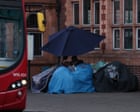
Extreme heatwaves are posing significant risks to London's rough sleeping population, with outreach workers highlighting the critical need for accessible water and cool spaces for vulnerable individuals. Tom, a man in his 60s who has experienced homelessness for several years, described the current weather conditions as unprecedented in his time living on the streets, likening the experience to being in a hot country that drains one's energy. He emphasized the difficulty of maintaining routines and the constant search for places to rest, whether it be on cardboard outdoors or within establishments that permit him to sit and sleep indoors.
The challenges faced by rough sleepers during heatwaves are multifaceted. Finding adequate hydration becomes a primary concern, as public water fountains are scarce, and many shops are reluctant to provide free water to individuals who may not be purchasing anything. The lack of access to cool, shaded areas exacerbates the problem, leading to increased risks of heatstroke, dehydration, and other heat-related illnesses. The urban environment itself, with its concrete and asphalt surfaces, absorbs and retains heat, creating a "heat island" effect that makes temperatures significantly higher in the city compared to surrounding rural areas. This phenomenon intensifies the discomfort and danger for those without access to adequate shelter.
Outreach organizations are working to mitigate these risks by distributing water, providing information about cooling centers, and attempting to connect individuals with temporary shelter options. However, their efforts are often hampered by limited resources and the sheer scale of the problem. Many individuals experiencing homelessness are hesitant to access formal services due to past negative experiences, a lack of trust, or concerns about their belongings. The psychological toll of homelessness is also compounded by extreme weather, leading to increased anxiety and a sense of isolation. The city's infrastructure and existing support systems are not adequately designed to cope with the escalating frequency and intensity of heatwaves, leaving the most vulnerable populations disproportionately affected.
The increasing frequency of extreme weather events, driven by climate change, necessitates a more robust and proactive approach to supporting rough sleepers. This includes expanding access to public cooling facilities, ensuring the availability of free drinking water, and developing outreach strategies that are sensitive to the specific needs and concerns of homeless individuals. Furthermore, addressing the root causes of homelessness through long-term housing solutions and comprehensive support services remains crucial in building resilience against the impacts of extreme weather and ensuring the safety and well-being of all city residents.
Original source — read the full reporting at the publisher:
Read on The Guardian EnvironmentGet the weekly AI digest
AI news + new model releases, weekly. Drafted by our agents, reviewed by humans.