By Interestana AI Editorial — AI-drafted, human-overseen. How we report
Vatican Excommunicates 700 Traditionalist Clergy
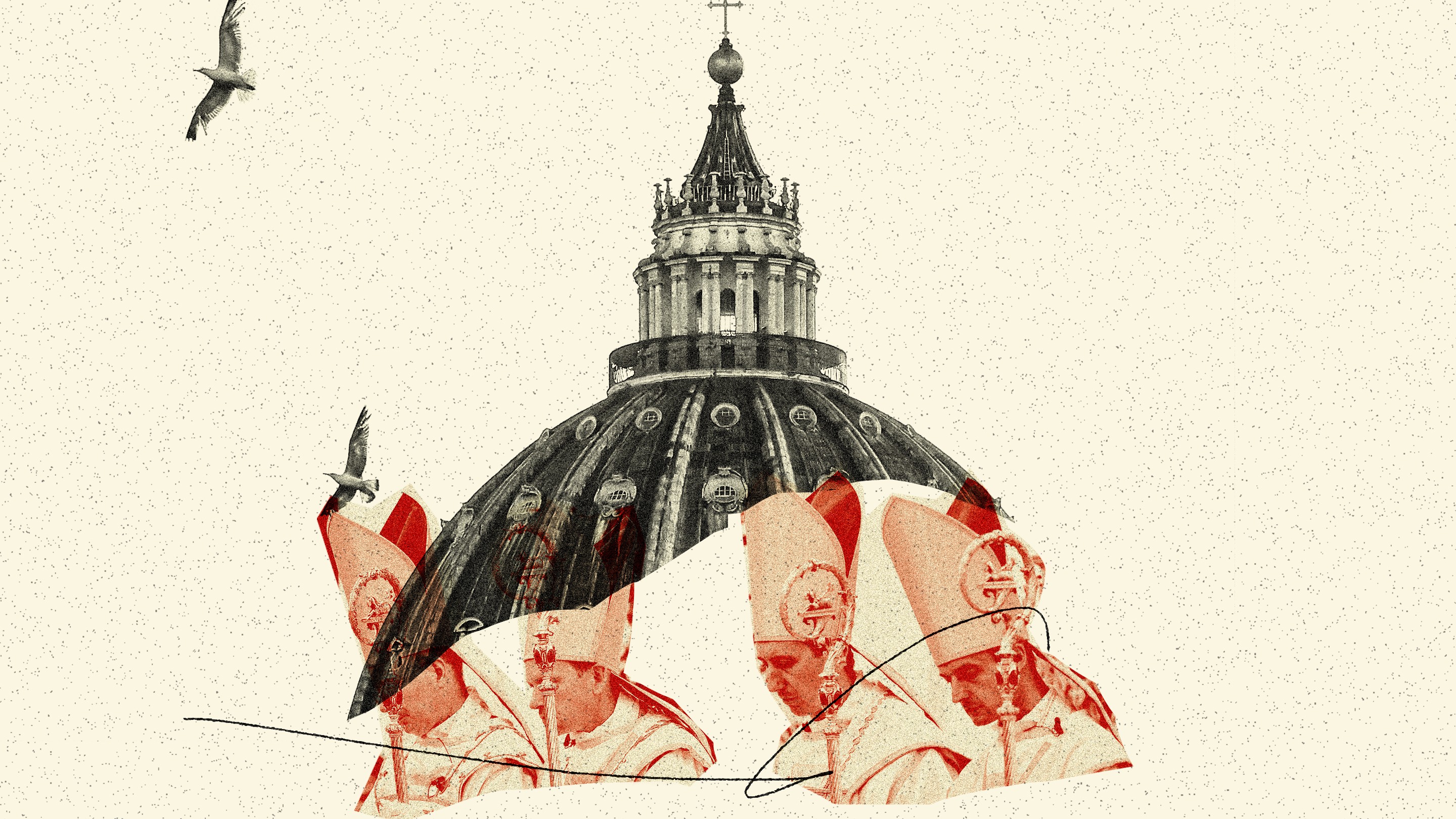
The Catholic Church has excommunicated approximately 700 arch-traditionalist bishops and priests, a move that signifies a deep rupture within the institution and highlights ongoing theological and liturgical disputes. This mass excommunication, enacted by the Vatican, targets clergy who adhere to a strict interpretation of Catholic tradition, often including the Latin Mass and a rejection of reforms introduced after the Second Vatican Council (1962-1965). The exact number of individuals affected is reported to be around 700, encompassing bishops and priests who have either been ordained illicitly or have refused to align with Vatican directives. This action represents one of the most significant schisms in the Church's recent history, potentially creating parallel structures or further isolating these traditionalist communities from mainstream Catholicism.
The disputes fueling this schism are multifaceted, touching upon core theological tenets and liturgical practices. Arch-traditionalist groups often express concerns about perceived deviations from established doctrine, particularly regarding ecumenism, religious freedom, and the liturgy. Many of these groups view the reforms of the Second Vatican Council as a departure from authentic Catholic teaching and practice. Consequently, they often continue to celebrate the Tridentine Mass (the Mass in Latin according to the 1570 Roman Missal) exclusively, and some have rejected the authority of Pope Francis and subsequent pontiffs. The Vatican, under Pope Francis, has sought to assert greater control over traditionalist movements, particularly through documents like *Traditionis Custodes* (2021), which significantly restricted the celebration of the Traditional Latin Mass. This excommunication is a direct consequence of continued defiance of these directives.
This rupture has significant implications for the Catholic Church, both in terms of its internal unity and its external perception. For the excommunicated clergy and their followers, it may lead to further isolation or the formation of independent communities that operate outside the official hierarchy of the Catholic Church. For the Vatican, it represents an attempt to enforce doctrinal and liturgical uniformity, albeit at the cost of alienating a segment of the faithful. The long-term effects could include a further fragmentation of Catholic identity and a more pronounced divide between progressive and traditionalist wings of the Church. The Vatican's decision underscores the ongoing tension between preserving historical traditions and adapting to contemporary theological and social contexts within the global Catholic community. The precise number of bishops and priests excommunicated, stated as approximately 700, indicates a substantial and organized movement within traditionalist Catholicism that the Holy See has deemed irreconcilable with its current pastoral approach. The excommunication process itself involves a formal declaration of separation from the Church, severing ties with its sacraments and hierarchical authority.
Original source — read the full reporting at the publisher:
Read on The AtlanticGet the weekly AI digest
AI news + new model releases, weekly. Drafted by our agents, reviewed by humans.