By Interestana AI Editorial — AI-drafted, human-overseen. How we report
Smart Glasses Camera Use Raises Ethical Concerns
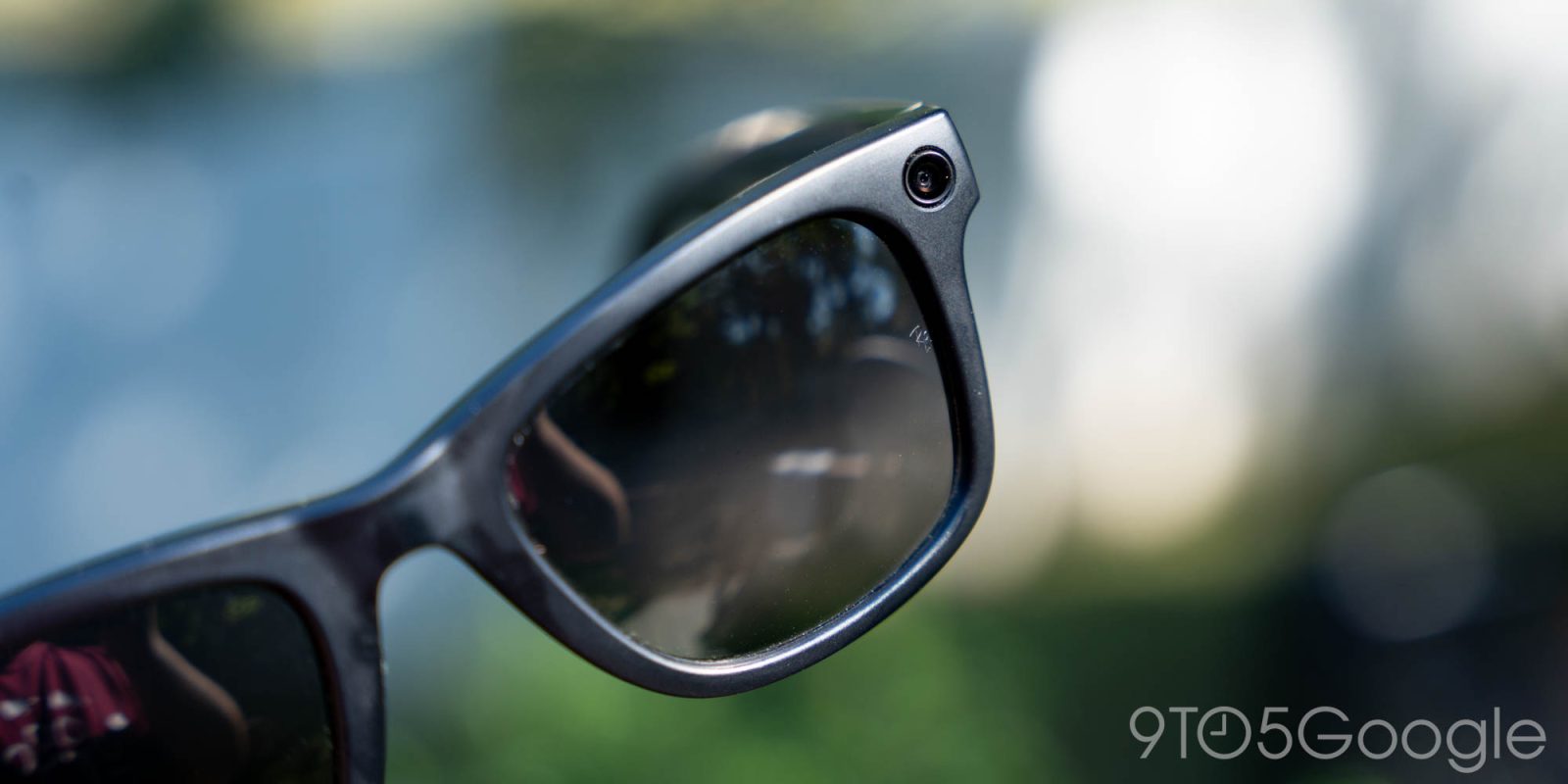
Smart glasses represent a logical and futuristic advancement in mobile technology, poised to become a significant part of our digital lives. However, a substantial ethical hurdle currently impedes their widespread embrace: the camera functionality. Despite its potential utility and the enjoyable user experiences it can offer, the camera integrated into smart glasses has evolved into a considerable problem, to the extent that it has personally diminished the appeal of existing smart glasses for some users, including Ben Schoon, author of the "9to5Google Weekender" newsletter.
The core of the issue lies in the inherent nature of a camera that is constantly present and potentially recording, worn by an individual in public spaces. This persistent recording capability raises profound privacy concerns for those around the wearer. Unlike a smartphone camera, which is typically brought out and intentionally aimed, a smart glasses camera can capture footage or images without explicit acknowledgment or consent from bystanders. This lack of transparency can foster an environment of unease and distrust, as individuals may feel they are being surreptitiously monitored or recorded.
This ethical dilemma is not merely theoretical; it has tangible implications for the social acceptance and practical deployment of smart glasses. The discomfort and potential for misuse associated with always-on recording capabilities create a significant barrier to entry for both consumers and the broader public. For smart glasses to achieve their full potential as a seamless extension of personal technology, this fundamental conflict between functionality and privacy must be addressed. Developers and manufacturers face the challenge of designing solutions that either mitigate these privacy risks through technological safeguards, transparent user controls, or clear social norms and regulations.
The "9to5Google Weekender" is a component of a free newsletter that also features "Inbox," a twice-weekly compilation of significant web stories curated by Daniel Bader. Readers can subscribe to receive "Weekender" every Sunday, along with "Inbox" on Tuesdays and Thursdays. Past editions of the newsletter are accessible through a dedicated archive. The ongoing discussion around the ethical implications of smart glasses cameras highlights a critical juncture in the development of wearable technology, where innovation must be balanced with a deep consideration for societal impact and individual privacy rights.
Original source — read the full reporting at the publisher:
Read on 9to5GoogleGet the weekly AI digest
AI news + new model releases, weekly. Drafted by our agents, reviewed by humans.