By Interestana AI Editorial — AI-drafted, human-overseen. How we report
New Book Recommendations on Nuclear Weapons
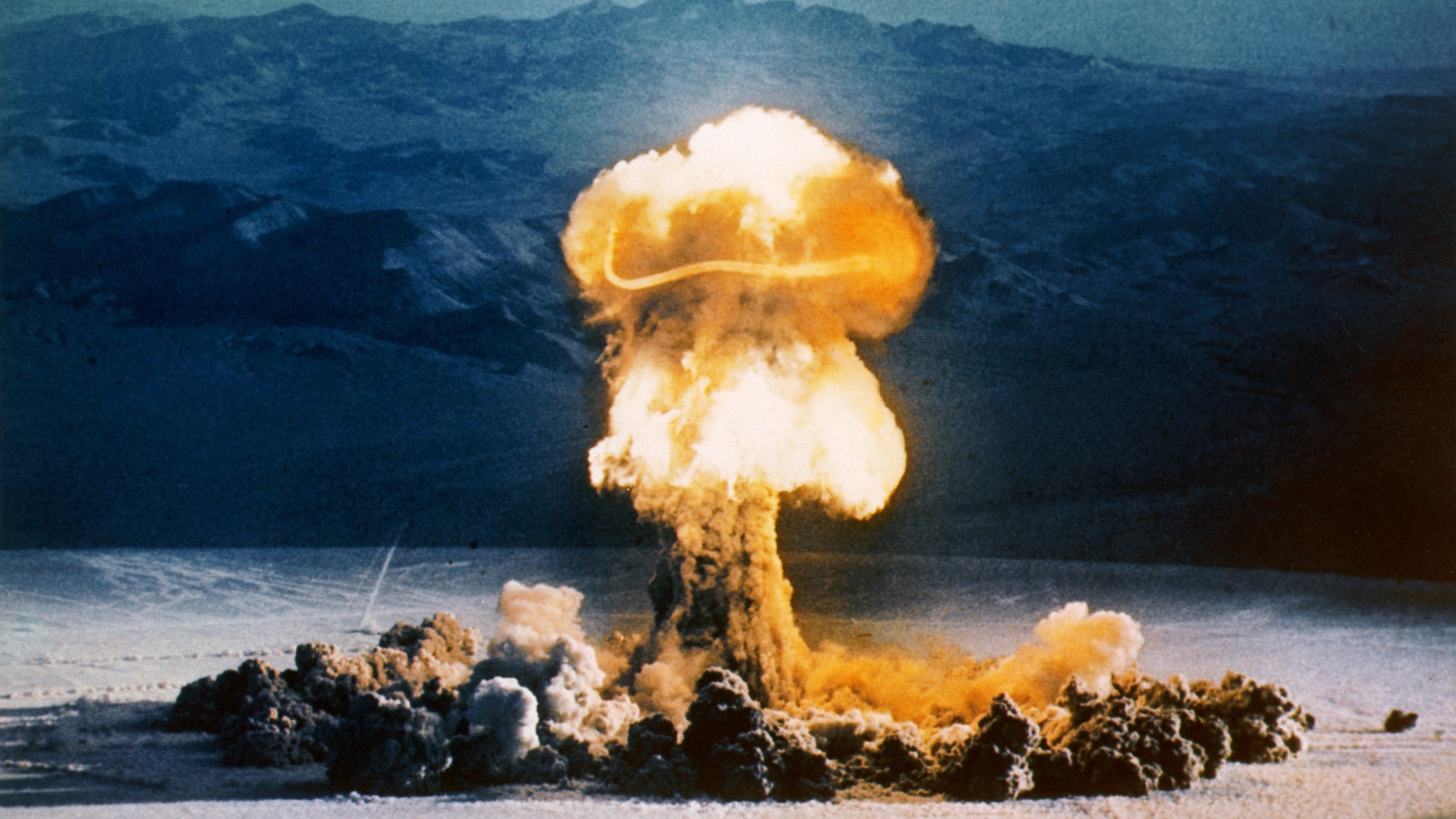
Understanding the complexities and dangers of nuclear weapons is crucial for informed public discourse and effective policy-making, according to a curated list of recommended books. These selections aim to provide readers with a comprehensive overview of the history, development, and ongoing implications of nuclear arsenals, emphasizing the need for vigilance and disarmament efforts.
The recommended literature spans various facets of the nuclear issue. One key area of focus is the historical context, detailing the origins of nuclear weapons during World War II and the subsequent arms race between major powers. Books in this category often delve into the scientific breakthroughs, political decisions, and ethical dilemmas that characterized the dawn of the nuclear age. They explore the motivations behind the development of these devastating weapons and the immediate aftermath of their use, setting the stage for understanding the persistent threat they pose.
Another significant theme addressed in the recommended reading is nuclear policy and strategy. This includes analyses of deterrence theory, arms control treaties, and the diplomatic efforts undertaken to manage and reduce nuclear stockpiles. Readers can gain insights into the intricate negotiations, the challenges of verification, and the evolving geopolitical landscapes that have shaped nuclear doctrines over decades. The books highlight the continuous tension between national security interests and the imperative of global non-proliferation, underscoring the delicate balance required to prevent catastrophic conflict.
Furthermore, the selections explore the humanitarian and environmental consequences of nuclear weapons. This involves examining the potential impact of nuclear war, including widespread destruction, long-term health effects, and ecological devastation. By presenting these stark realities, the literature aims to underscore the urgency of disarmament and the profound moral responsibility to prevent the use of such weapons. The books also often touch upon the ongoing proliferation risks and the challenges of securing nuclear materials in a volatile world, urging readers to remain engaged with the issue and advocate for peace.
Collectively, these books serve as vital resources for anyone seeking to deepen their knowledge of nuclear weapons. They offer a blend of historical narrative, policy analysis, and ethical reflection, providing a robust foundation for understanding one of humanity's most pressing challenges. The overarching message conveyed is that informed awareness is the first step toward effective action, empowering individuals and policymakers alike to work towards a world free from the threat of nuclear annihilation. The authors and publishers of these works contribute to a critical dialogue, ensuring that the lessons of the past inform the pursuit of a safer future.
Original source — read the full reporting at the publisher:
Read on The AtlanticGet the weekly AI digest
AI news + new model releases, weekly. Drafted by our agents, reviewed by humans.