By Interestana AI Editorial — AI-drafted, human-overseen. How we report
Book Promotes Debunked Sex Selection Methods
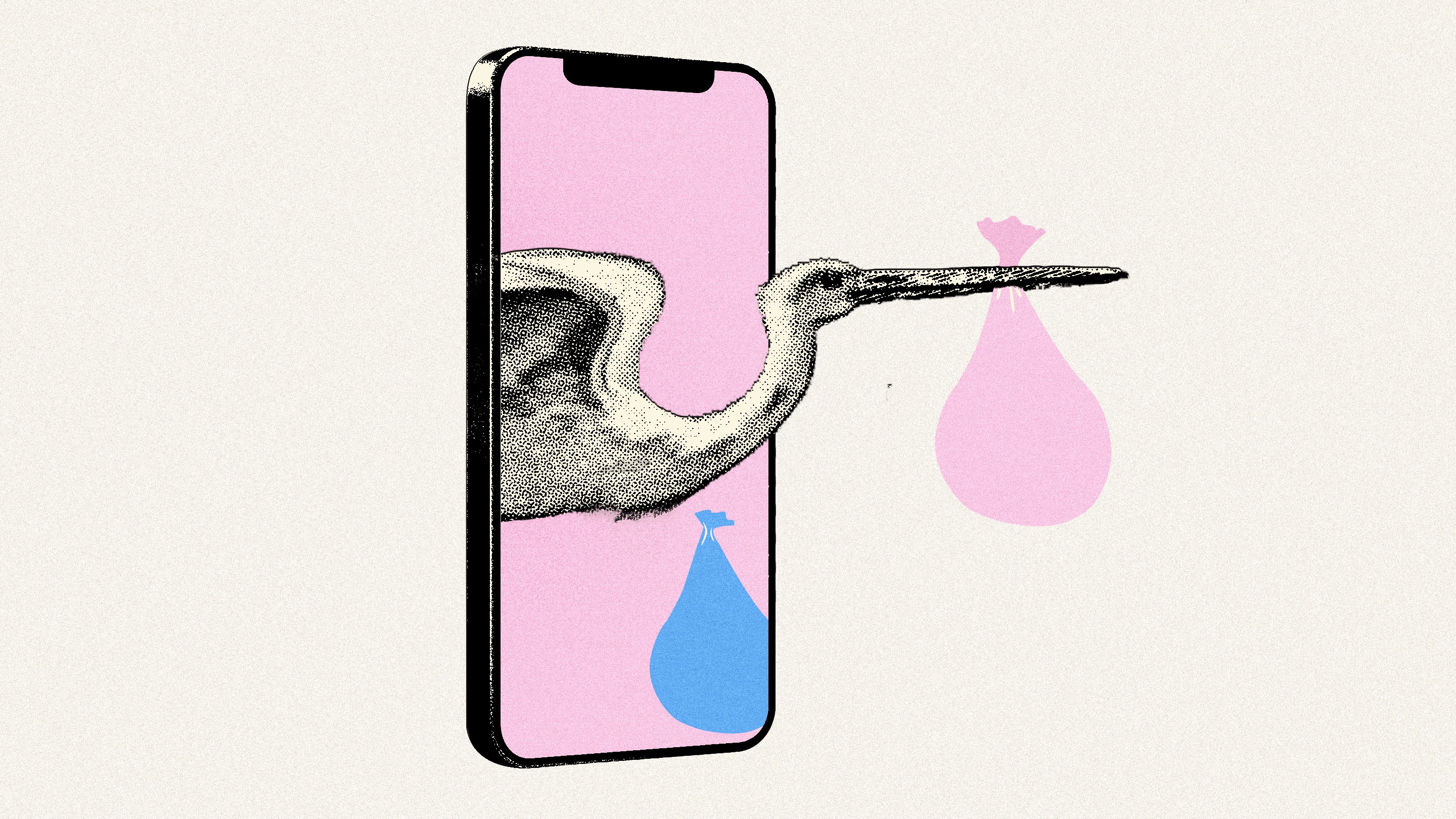
A book titled 'The Babydust Method,' which claims to teach couples how to select their baby's sex, has sold tens of thousands of copies, despite featuring advice that was debunked decades ago. The book's continued popularity raises questions about the persistence of pseudoscientific beliefs in reproductive health. The method, popularized in the 1970s, relies on timing intercourse relative to ovulation and dietary changes, concepts that have been thoroughly disproven by scientific research.
Scientific consensus indicates that a baby's sex is determined by the sperm that fertilizes the egg. Sperm carry either an X chromosome (resulting in a female, XX) or a Y chromosome (resulting in a male, XY). The egg always carries an X chromosome. Therefore, the sex of the child is determined by whether the fertilizing sperm carries an X or a Y chromosome, a process that occurs randomly at conception. Methods like those described in 'The Babydust Method' do not influence which type of sperm successfully fertilizes the egg.
Despite the lack of scientific evidence, books and online resources promoting similar sex-selection techniques continue to circulate and gain traction. This phenomenon highlights a broader trend where anecdotal evidence and popular belief can sometimes outweigh scientific consensus, particularly in areas related to personal desires and family planning. The marketing of such books often taps into parental hopes and anxieties, offering a sense of control over a biological process that is largely beyond human influence.
Experts in reproductive endocrinology and genetics have consistently refuted the claims made by these methods. They emphasize that while some lifestyle factors can influence fertility, they do not alter the chromosomal makeup of sperm or the outcome of fertilization. The continued sales of 'The Babydust Method' suggest a gap in public understanding of reproductive biology or a willingness among some consumers to embrace unproven methods in pursuit of a desired outcome. The book's resurgence underscores the challenge of disseminating accurate scientific information in the face of persistent misinformation and popular demand for simple solutions to complex biological processes.
Original source — read the full reporting at the publisher:
Read on The AtlanticGet the weekly AI digest
AI news + new model releases, weekly. Drafted by our agents, reviewed by humans.