By Interestana AI Editorial — AI-drafted, human-overseen. How we report
BMW iX3 Passes Stricter Euro NCAP Safety Tests
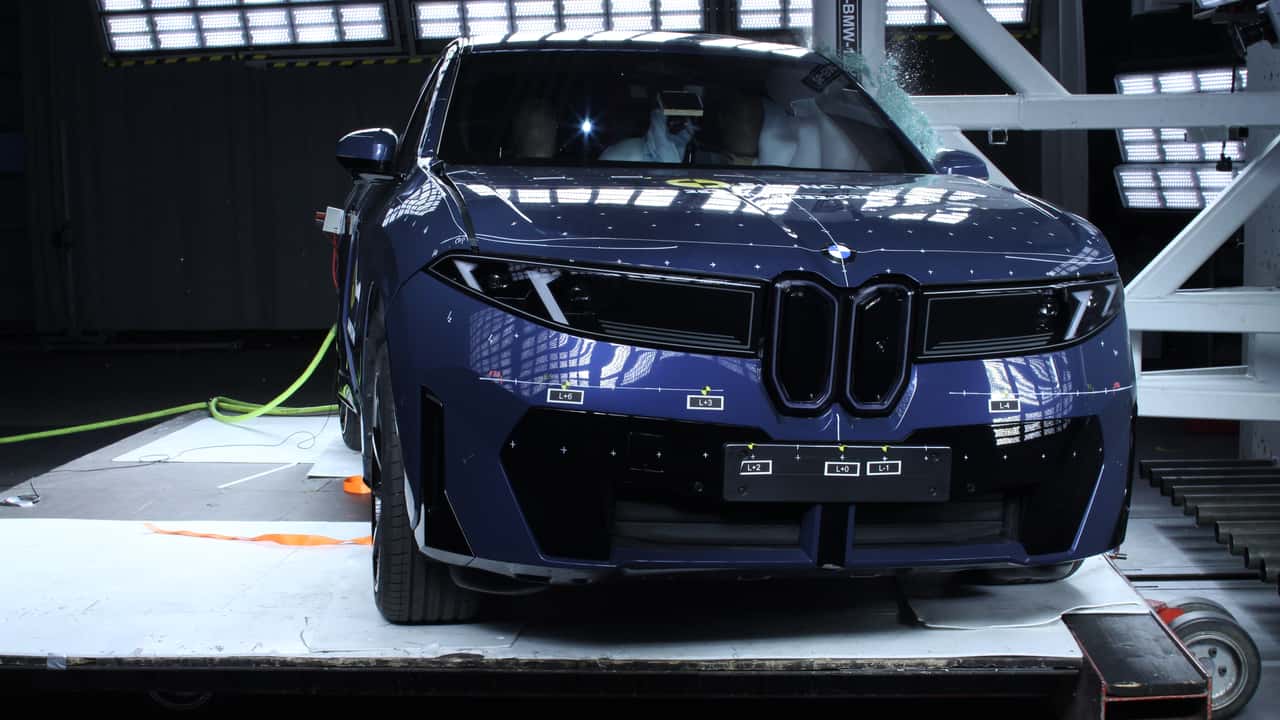
The BMW iX3 has successfully passed Euro NCAP's updated safety assessment protocols, marking it as one of the first vehicles to undergo the stricter testing regime. This achievement underscores the electric crossover's robust safety engineering in line with evolving automotive safety standards.
Euro NCAP, the European New Car Assessment Programme, introduced revised testing procedures this year that are significantly more demanding than previous iterations. These new standards incorporate a broader range of crash scenarios and place greater emphasis on active safety systems, including those that prevent collisions and protect vulnerable road users. The iX3's performance indicates its capability to meet these heightened expectations.
While specific scores and detailed breakdowns for the BMW iX3's performance under the new protocols were not immediately detailed in the initial announcement, the successful completion of the tests signifies a high level of safety. Euro NCAP's updated framework aims to provide consumers with more comprehensive and relevant safety information, reflecting real-world accident data and emerging technological advancements in vehicle safety.
This successful evaluation is particularly noteworthy for electric vehicles, as the testing protocols are designed to assess the safety of all vehicle types, including those with different powertrain architectures. The BMW iX3, as an all-electric model, has demonstrated its adherence to stringent safety requirements, which is crucial for consumer confidence in the growing EV market. Further details on the iX3's performance metrics are expected to be released by Euro NCAP.
Original source — read the full reporting at the publisher:
Read on InsideEVsGet the weekly AI digest
AI news + new model releases, weekly. Drafted by our agents, reviewed by humans.