By Interestana AI Editorial — AI-drafted, human-overseen. How we report
James Cahill's "Beverly Hills Housewife" Explores Hockney's Muse
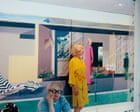
James Cahill's book, "The Beverly Hills Housewife," delves into the life of Betty Freeman, a significant muse and patron of artist David Hockney, exploring themes of art, eccentricity, and the unique spirit of Los Angeles. The narrative begins with Hockney's 1966 visit to Freeman's home, where he initially intended to photograph her swimming pool for his iconic pool paintings. During this visit, Hockney became intrigued by Freeman herself, leading him to photograph her as well. The resulting painting, "Beverly Hills Housewife" (1966/67), depicts Freeman standing outside her modernist home, bathed in sunlight, her appearance meticulously styled. The painting showcases symbols of mid-century American affluence, including a Le Corbusier chair and a modernist sculpture, set against a backdrop that Hockney's art has come to define: shimmering water, scattered light, bright colors, and a sense of serene contentment.
Freeman was more than just a subject; she was a central figure in the Los Angeles art world, known for her discerning taste and her role as a collector and supporter of artists. Her home served as a hub for creative individuals, fostering an environment of artistic exchange and intellectual curiosity. The book uses Freeman's life as a lens through which to examine the broader cultural landscape of Los Angeles during a pivotal period of artistic innovation and social change. Cahill's work highlights the symbiotic relationship between artist and muse, and how Freeman's personality and lifestyle influenced Hockney's artistic output, particularly his celebrated depictions of Californian life.
The book's exploration extends beyond Hockney, touching upon the broader context of art patronage and the development of modernist aesthetics in Southern California. Freeman's collection and her interactions with various artists contributed to the vibrant cultural tapestry of the era. The narrative likely unpacks the specific details of her life, her relationships with artists beyond Hockney, and the evolution of her own aesthetic sensibilities. By focusing on Freeman, Cahill provides a fresh perspective on a well-known artistic period, emphasizing the often-overlooked contributions of patrons and muses who shape the art historical narrative. The book aims to capture the essence of Freeman's personality—her aloofness, her quiet eccentricity, and her sophisticated engagement with the art world—as seen through the eyes of Hockney and interpreted by Cahill.
"The Beverly Hills Housewife" promises a sun-drenched journey into the world of art and eccentricity, offering readers an intimate glimpse into the life of a woman who was instrumental in shaping the visual language of mid-century Los Angeles. The book's detailed descriptions of Freeman's home, her fashion choices, and the artistic milieu she inhabited aim to immerse the reader in the specific time and place. Cahill's narrative likely draws on a range of sources, including letters, interviews, and visual evidence, to construct a comprehensive portrait of Freeman and her impact on the art world. The book's focus on the interplay between personal style, artistic creation, and the cultural environment underscores the interconnectedness of these elements in defining an era.
Original source — read the full reporting at the publisher:
Read on The Guardian CultureGet the weekly AI digest
AI news + new model releases, weekly. Drafted by our agents, reviewed by humans.