By Interestana AI Editorial — AI-drafted, human-overseen. How we report
Haberman and Swan: The 2020 Loss Was Trump's 'Best Thing' for His Presidency
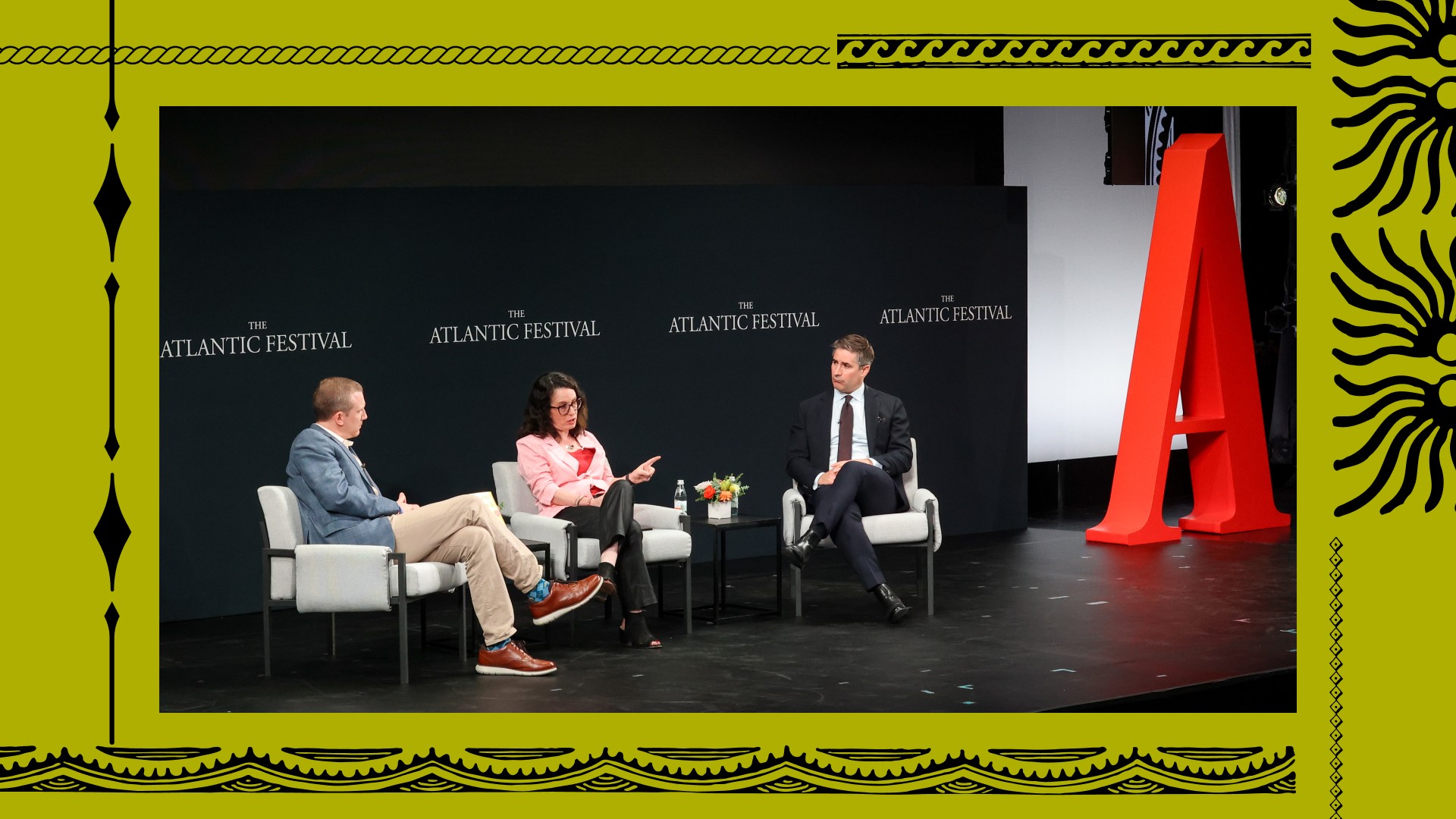
Veteran political journalists Maggie Haberman and Jonathan Swan, in their analysis, argue that the period between Donald Trump's first term (2017-2021) and the potential for a second term, particularly the aftermath of his 2020 election defeat, fundamentally altered the nature of his presidency and his approach to governance. Their reporting suggests that the four years following his initial victory and preceding the 2020 election were a crucible that refined Trump's political identity and strategy.
During his first term, Trump's presidency was marked by a characteristic unpredictability, a reliance on instinctual decision-making, and frequent staff turnover. This often led to policy shifts and a perception of chaos. However, the intervening years, especially the intense period following the 2020 election and his subsequent departure from the White House, appear to have solidified certain aspects of his political persona and operational playbook. Haberman and Swan posit that the experience of losing the 2020 election, rather than diminishing his political standing, may have paradoxically reinforced his resolve and reshaped his political narrative into one of grievance and resilience.
This post-presidency era saw Trump actively engage in a sustained campaign of rallies, media appearances, and the continued cultivation of his core political base. These activities, according to the authors' analysis, allowed him to refine his messaging, solidify his connection with his supporters, and potentially emerge as a more formidable and focused political force. The reporting implies that the challenges and controversies of his first term, combined with the profound experience of electoral defeat and the subsequent legal and political battles, led to a more hardened and perhaps more strategically focused political persona.
Haberman, a New York Times correspondent known for her deep reporting on Trump, and Swan, an Axios reporter recognized for his incisive political analysis, draw upon their extensive coverage of Trump's career to provide a nuanced understanding of how these intervening years influenced his political trajectory. Their central thesis is that the four-year gap was not merely a period of absence from the Oval Office but a crucial phase of development and recalibration for Trump. This period, they argue, has shaped the dynamics of his continued influence in American politics, with the 2020 loss serving as a pivotal moment that, in their view, ultimately strengthened his political position and altered the very character of his presidential aspirations.
Original source — read the full reporting at the publisher:
Read on The AtlanticGet the weekly AI digest
AI news + new model releases, weekly. Drafted by our agents, reviewed by humans.