By Interestana AI Editorial — AI-drafted, human-overseen. How we report
Oil Flow Through Hormuz Strait Increases
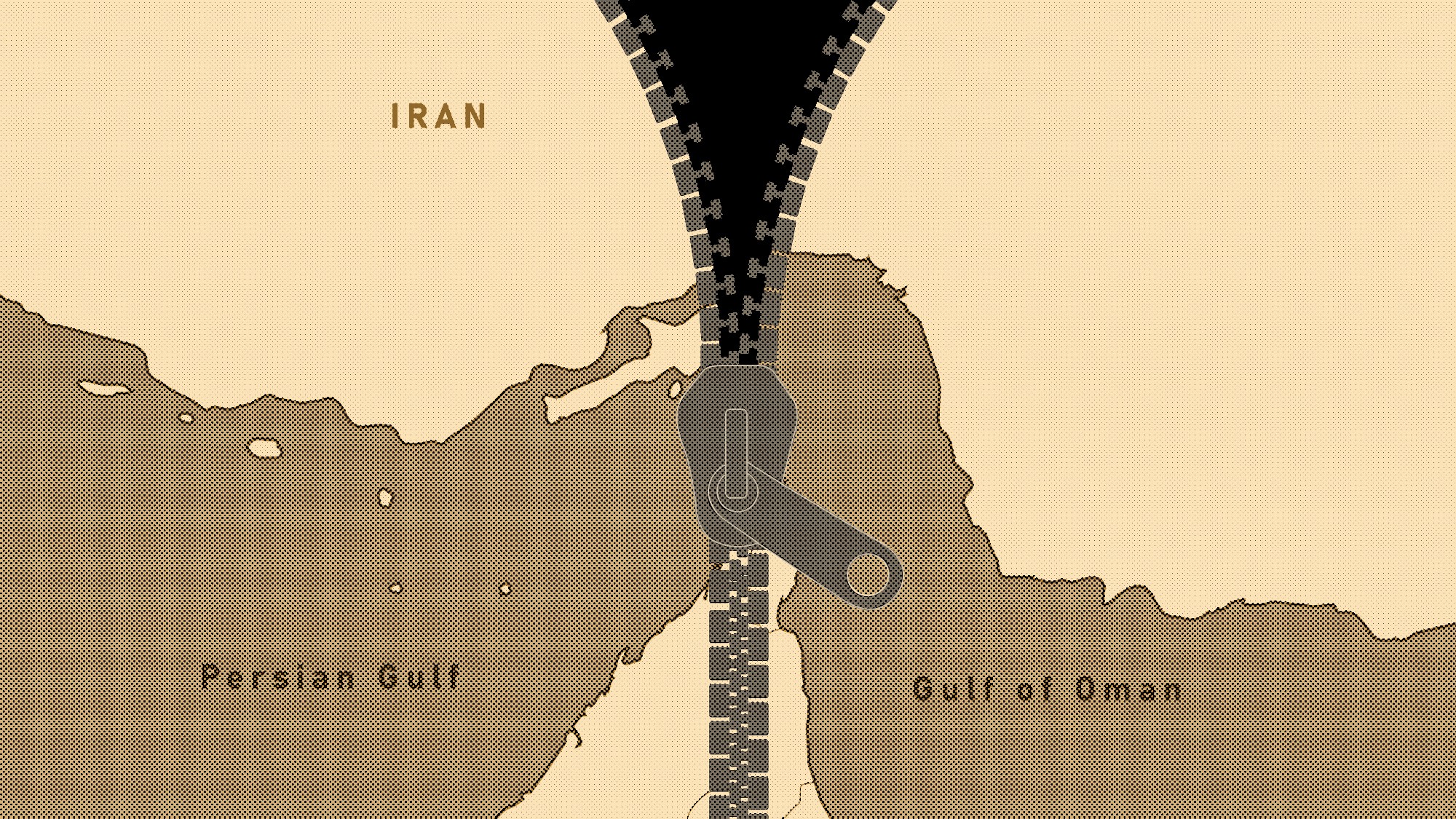
Oil transit through the Strait of Hormuz has seen an increase, a development that suggests a complex geopolitical situation rather than a definitive U.S. victory in securing the vital waterway. This increase in oil flow indicates that maritime trade continues, but it does not necessarily imply a resolution to the underlying tensions or a complete neutralization of threats in the region. The strait, a chokepoint for approximately 20% of global oil consumption, remains a focal point for international maritime security and energy supply concerns.
Recent data indicates a rise in the volume of oil tankers passing through the Strait of Hormuz, a trend that analysts are closely monitoring. While this uptick in traffic might be interpreted as a sign of normalization or increased confidence in regional stability, it is crucial to consider the broader context. The geopolitical landscape surrounding the Persian Gulf is characterized by persistent rivalries and potential flashpoints, which can impact shipping routes and energy markets with little warning. Therefore, an increase in oil flow does not equate to the absence of risk or the cessation of strategic competition.
The strategic importance of the Strait of Hormuz cannot be overstated. Its narrow waters connect the Persian Gulf to the open ocean, making it indispensable for the export of oil from major producers in the Middle East, including Iran, Iraq, Saudi Arabia, Kuwait, and the United Arab Emirates. Any disruption to this passage could have immediate and severe repercussions on global energy prices and supply chains. The ongoing efforts by various international actors, particularly the United States and its allies, to ensure freedom of navigation and deter potential aggressors are a testament to the strait's critical role.
However, the situation remains fluid. The continued transit of oil, while positive for immediate supply, does not signify the end of strategic maneuvering or the resolution of long-standing security challenges in the region. The U.S. Navy and its partners regularly conduct patrols and exercises aimed at maintaining maritime security and deterring threats. These efforts are designed to reassure shipping companies and signal a commitment to keeping the strait open. Yet, the underlying political and military dynamics mean that the 'battle' for Hormuz, in terms of ensuring sustained, unimpeded flow, is an ongoing process rather than a concluded event. The increased oil flow is a data point within this larger, dynamic geopolitical equation.
Original source — read the full reporting at the publisher:
Read on The AtlanticGet the weekly AI digest
AI news + new model releases, weekly. Drafted by our agents, reviewed by humans.