By Interestana AI Editorial — AI-drafted, human-overseen. How we report
Baltic States Prepare for Russian Invasion
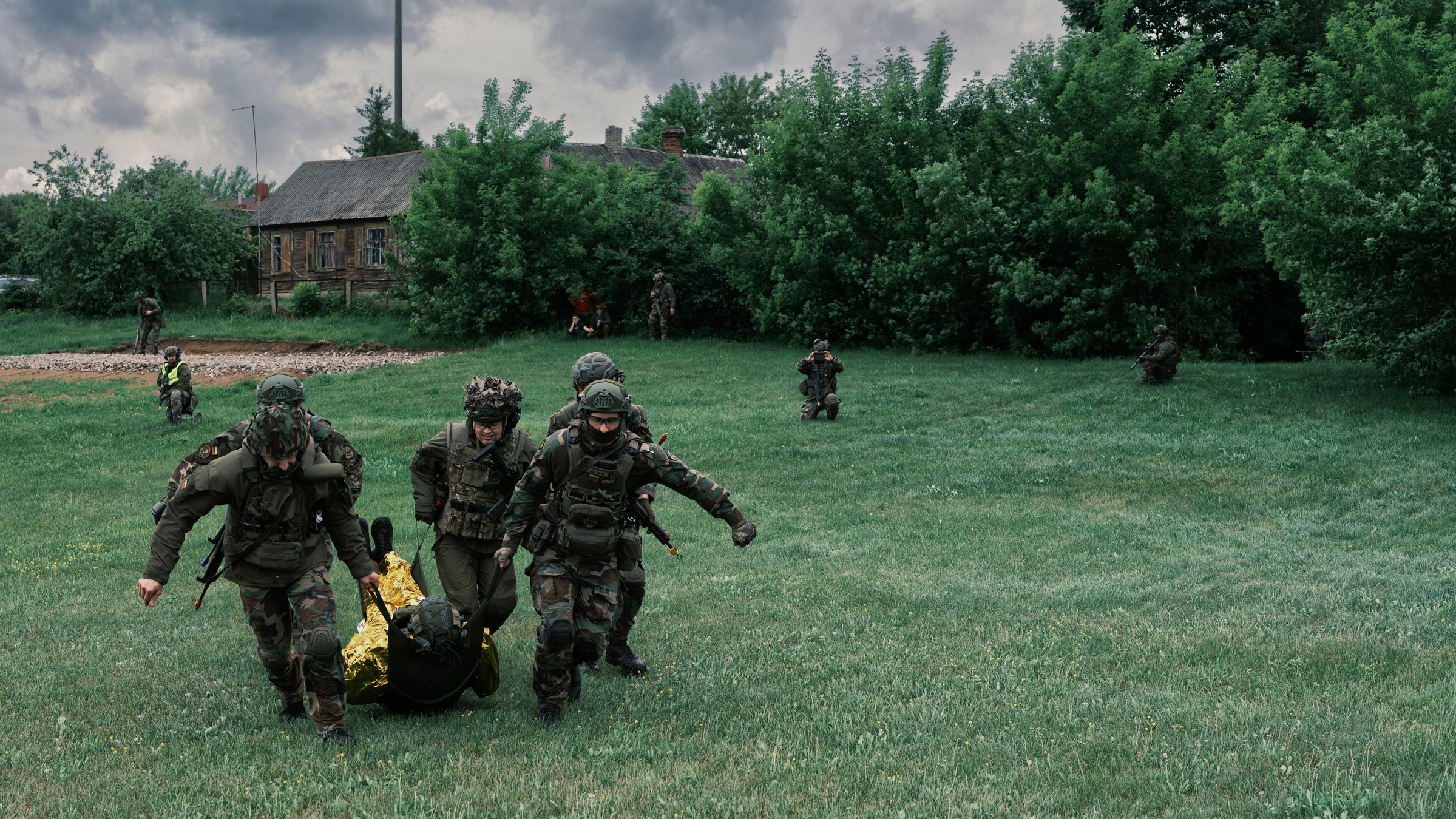
Lithuania, Latvia, and Estonia are actively preparing for a potential Russian invasion, a scenario that has become increasingly plausible following Russia's actions in Ukraine. These Baltic nations, all members of NATO, are enhancing their military capabilities and civil defense strategies to deter aggression and defend their territories. The preparations involve a multi-faceted approach, encompassing increased defense spending, military exercises, and the fortification of border regions. The primary objective is to create a credible defense that would make any Russian advance prohibitively costly.
Lithuania, in particular, has been vocal about the need for heightened vigilance. The country has been investing significantly in its armed forces, including the procurement of advanced weaponry and the expansion of its military personnel. This includes a focus on anti-tank capabilities, air defense systems, and rapid deployment forces. Furthermore, Lithuania is working to improve its infrastructure to support military movements and civilian evacuation if necessary. The government has also emphasized the importance of public awareness and preparedness, encouraging citizens to understand potential threats and know how to respond in an emergency.
Latvia and Estonia are undertaking similar measures. Latvia has been increasing its defense budget and participating in joint military exercises with NATO allies to enhance interoperability and readiness. The country is also focusing on strengthening its border security and developing robust civil defense plans. Estonia, which shares a border with Russia, has been particularly proactive in its defense preparations. It has a well-established volunteer defense organization, the Estonian Defence League, which plays a crucial role in national defense and civil preparedness. Estonia's strategy includes a strong emphasis on cyber defense and resilience, recognizing the importance of protecting critical infrastructure from digital attacks.
The preparations by the Baltic states are occurring within the broader context of heightened geopolitical tensions between Russia and NATO. While NATO's Article 5 guarantees mutual defense, the Baltic nations are keen to demonstrate their own capacity to resist an initial assault and buy time for allied reinforcements. This self-reliance is seen as crucial, as the speed and scale of a potential Russian attack could present significant challenges. The United States, a key NATO ally, has increased its military presence in the region and participates in regular joint exercises, providing a significant deterrent. However, the Baltic states are preparing for scenarios where immediate US support might be delayed or insufficient, underscoring their commitment to their own defense.
Original source — read the full reporting at the publisher:
Read on The AtlanticGet the weekly AI digest
AI news + new model releases, weekly. Drafted by our agents, reviewed by humans.