By Interestana AI Editorial — AI-drafted, human-overseen. How we report
Atlantic Writer Discusses AI Data Center Backlash
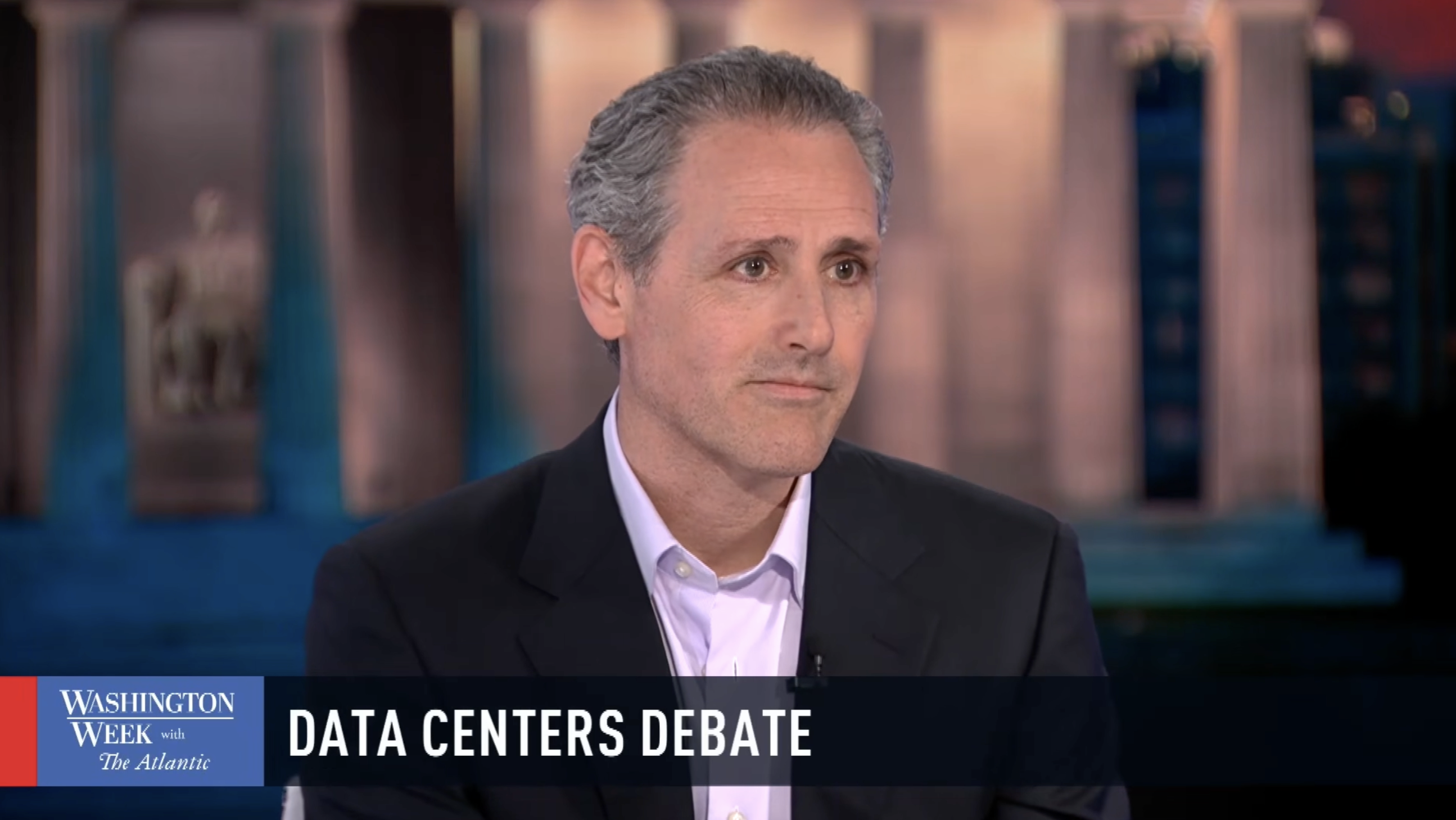
Josh Tyrangiel, a staff writer for The Atlantic, appeared on a special edition of "Washington Week With The Atlantic" to discuss the burgeoning backlash against artificial intelligence data centers. Tyrangiel highlighted the significant environmental concerns associated with the massive energy and water consumption required to power these facilities, which are essential for training and running advanced AI models. The discussion touched upon the rapid expansion of AI technology and the infrastructure it demands, leading to increased scrutiny from environmental advocates and local communities.
The core of the backlash, as explained by Tyrangiel, stems from the immense resource requirements of AI. Data centers, particularly those dedicated to AI, necessitate vast amounts of electricity, often sourced from fossil fuels, contributing to carbon emissions. Furthermore, the cooling systems for these energy-intensive servers require substantial quantities of water, exacerbating water scarcity issues in many regions where data centers are being built. This dual impact on energy grids and water supplies has ignited opposition, with residents and environmental groups raising alarms about the sustainability of unchecked AI infrastructure development.
Tyrangiel's commentary on "Washington Week" underscored the tension between the rapid advancement of AI capabilities and the environmental consequences. He pointed out that while AI promises transformative benefits across various sectors, its physical footprint is becoming increasingly difficult to ignore. The debate is shifting from the abstract potential of AI to the concrete realities of its implementation, including the siting of new data centers and the strain they place on local resources. This growing public and regulatory concern suggests a potential slowdown or redirection in the way AI infrastructure is deployed.
The discussion also implicitly raised questions about the responsibility of AI developers and tech companies to mitigate these environmental impacts. As AI becomes more integrated into daily life and critical industries, the demand for computational power will only increase, intensifying the need for sustainable solutions. Tyrangiel's insights suggest that the current trajectory of AI development may face significant hurdles if the environmental costs are not adequately addressed, potentially leading to more stringent regulations or a push for greener technological alternatives.
Original source — read the full reporting at the publisher:
Read on The AtlanticGet the weekly AI digest
AI news + new model releases, weekly. Drafted by our agents, reviewed by humans.