By Interestana AI Editorial — AI-drafted, human-overseen. How we report
US Deporting Parents Separating Families Anew
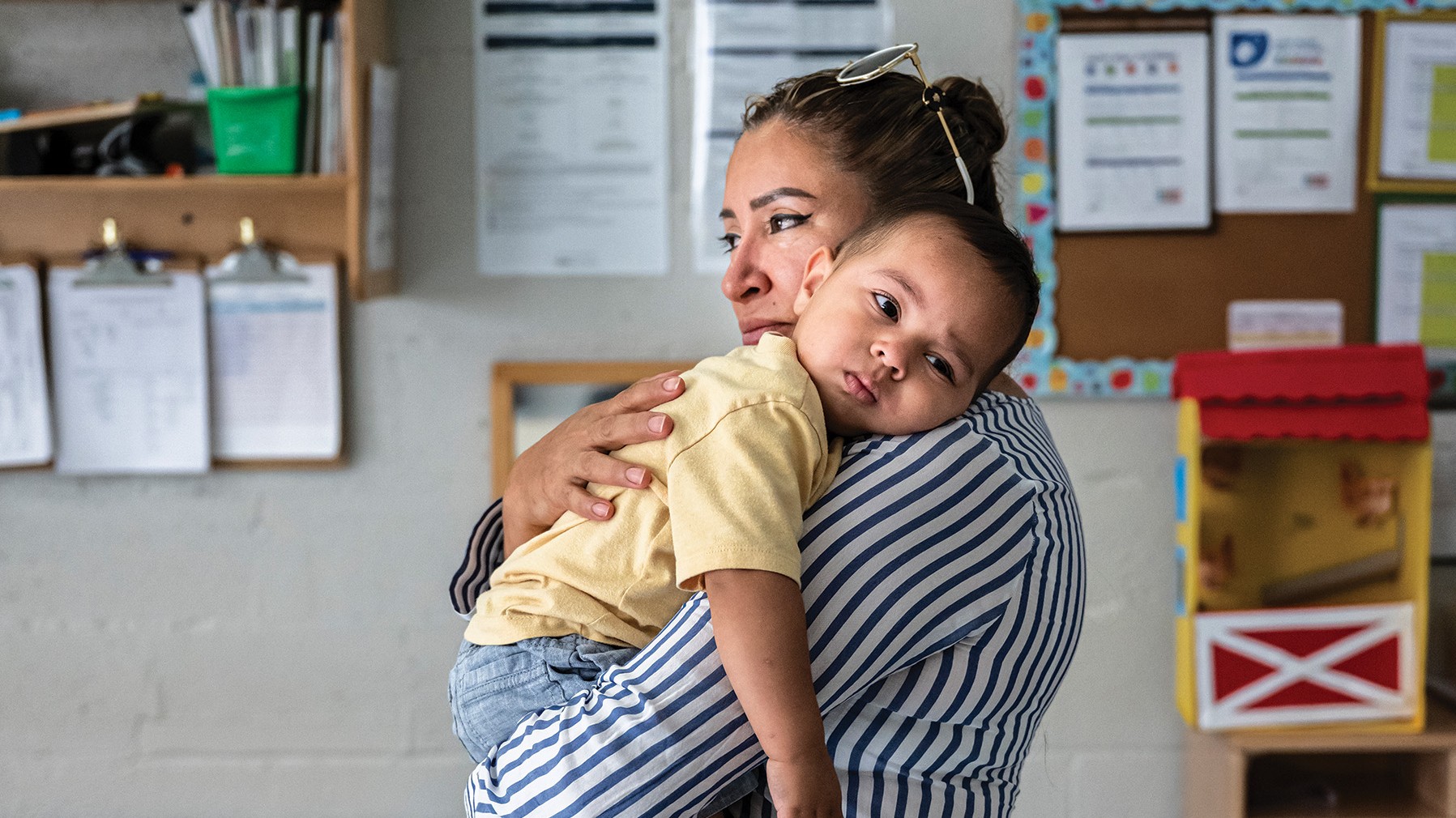
The United States is currently enacting immigration policies that result in the deportation of parents while their children are left behind in the U.S., thereby initiating a new crisis of family separation. This practice, occurring under the Biden administration, mirrors some of the controversial tactics employed during the Trump administration, though the current administration states it is not a policy of deliberate separation. Instead, officials attribute these separations to existing immigration laws and the circumstances of individual cases, such as parents having criminal records or lacking legal status.
Reports indicate that these separations are happening with increasing frequency, particularly as the U.S. government intensifies efforts to manage border crossings and enforce immigration laws. The process often involves parents being detained and subsequently deported, while their children, many of whom are U.S. citizens, remain in the country, often in the care of relatives or foster families. This situation raises significant humanitarian concerns, impacting the well-being of both the deported parents and the children left behind. Advocates and legal experts are raising alarms about the psychological and emotional toll these separations have on children, who are often too young to understand why their parents are gone.
The legal framework surrounding these separations is complex. While the U.S. government maintains that it is not intentionally separating families as a deterrent, the outcomes of its enforcement actions are leading to such separations. This occurs when parents are deemed inadmissible or deportable under existing immigration statutes, and their children, for various reasons including citizenship status or the inability of the parents to care for them legally in their home country, remain in the U.S. The lack of clear pathways for reunification and the prolonged uncertainty for both parents and children are major points of contention. International human rights organizations have also voiced concerns, urging the U.S. to adhere to international standards regarding family unity and the rights of children.
This unfolding situation is drawing comparisons to the "zero tolerance" policy implemented by the Trump administration, which explicitly aimed to prosecute all adults crossing the border illegally, leading to widespread family separations. While the Biden administration has disavowed that specific policy, the practical effect of current enforcement actions is creating similar devastating outcomes for families. The long-term consequences for the children involved, including potential trauma and developmental issues, are a significant concern for child welfare advocates and mental health professionals. The debate continues regarding the ethical and legal implications of these deportations and the government's responsibility to these families.
Original source — read the full reporting at the publisher:
Read on The AtlanticGet the weekly AI digest
AI news + new model releases, weekly. Drafted by our agents, reviewed by humans.