By Interestana AI Editorial — AI-drafted, human-overseen. How we report
Canada Learned Strength Works With Trump
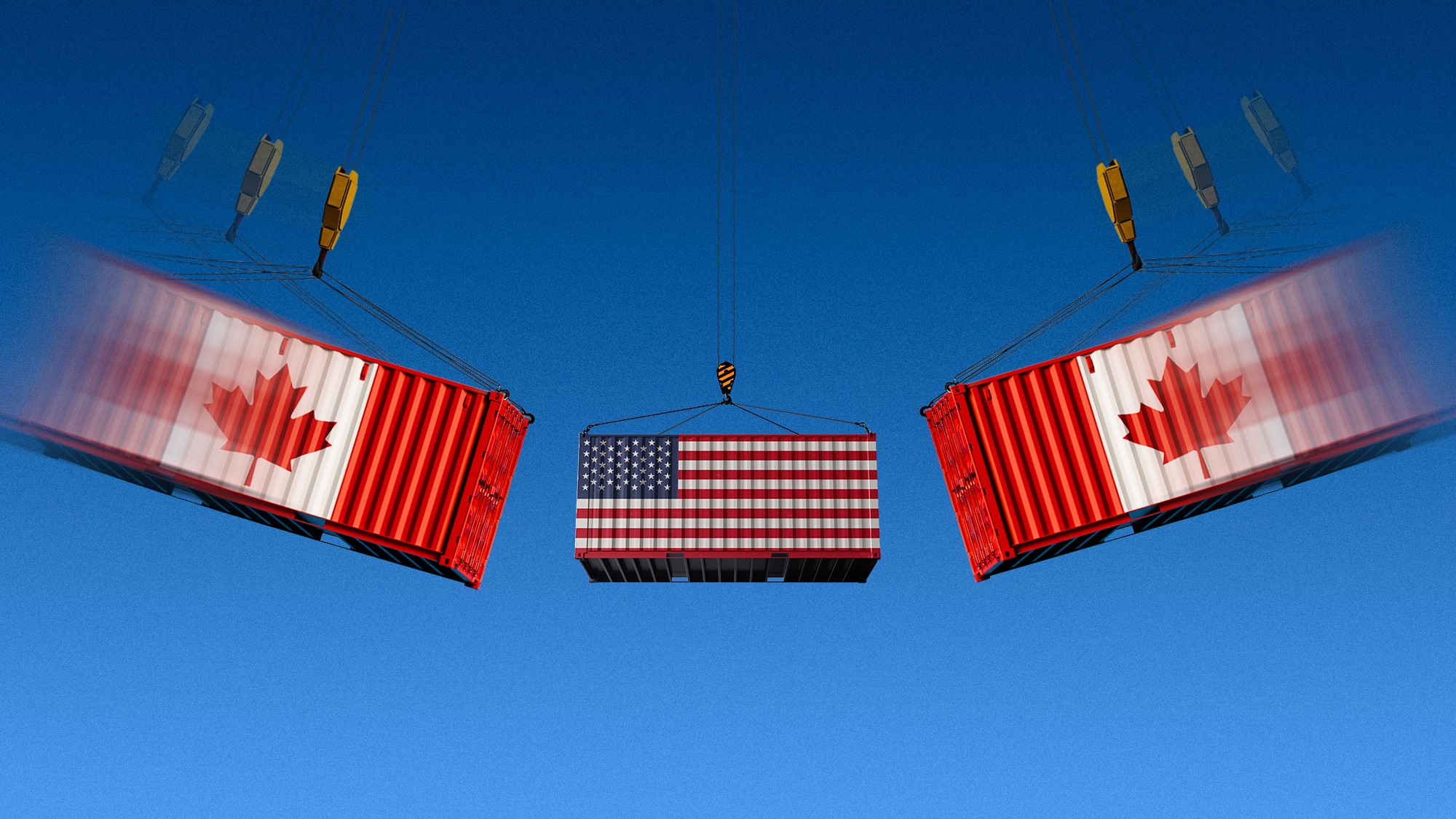
Canada's approach to dealing with Donald Trump, particularly during trade negotiations, required a demonstration of strength, according to a former Canadian minister. Chrystia Freeland, who served as Canada's Minister of International Trade and later as Minister of Foreign Affairs, stated that she learned "the only thing that works with this president is strength." This assertion stems from her direct experience engaging with the Trump administration on critical bilateral issues. Freeland's tenure as trade minister, from January 2017 to July 2019, coincided with the renegotiation of the North American Free Trade Agreement (NAFTA), which was ultimately replaced by the United States-Mexico-Canada Agreement (USMCA). During this period, the Trump administration employed aggressive negotiation tactics, including the threat of tariffs, which put significant pressure on Canada. Freeland's strategy, as described, involved standing firm on Canadian interests and not yielding to what she perceived as undue pressure or unreasonable demands. The minister's comments suggest a belief that Trump responded to assertiveness and a clear articulation of national interests, rather than to appeals based on traditional diplomatic norms or mutual benefit alone. This perspective offers a candid look at the dynamics of international diplomacy under a leader known for his unconventional and often confrontational style. Freeland's experience highlights the challenges faced by allies in navigating relationships with the United States when its leadership prioritizes a transactional and bilateral approach to foreign policy. The emphasis on "strength" implies a need for preparedness, a clear understanding of red lines, and a willingness to endure difficult negotiations without compromising core national objectives. Her reflections provide valuable insights for policymakers and diplomats who may encounter similar negotiation environments in the future, underscoring the importance of strategic resolve when engaging with leaders who operate outside conventional diplomatic frameworks. The effectiveness of such a strategy, as implied by Freeland, lies in its ability to deter further concessions and to secure a more equitable outcome, even in the face of significant leverage held by the other party. This approach contrasts with more conciliatory methods that might be employed in other diplomatic contexts, suggesting that adaptability in negotiation tactics is crucial when dealing with diverse leadership styles on the global stage.
Original source — read the full reporting at the publisher:
Read on The AtlanticGet the weekly AI digest
AI news + new model releases, weekly. Drafted by our agents, reviewed by humans.