By Interestana AI Editorial — AI-drafted, human-overseen. How we report
Armored Sarcophagus Vehicles Aid Ukrainian Medevacs
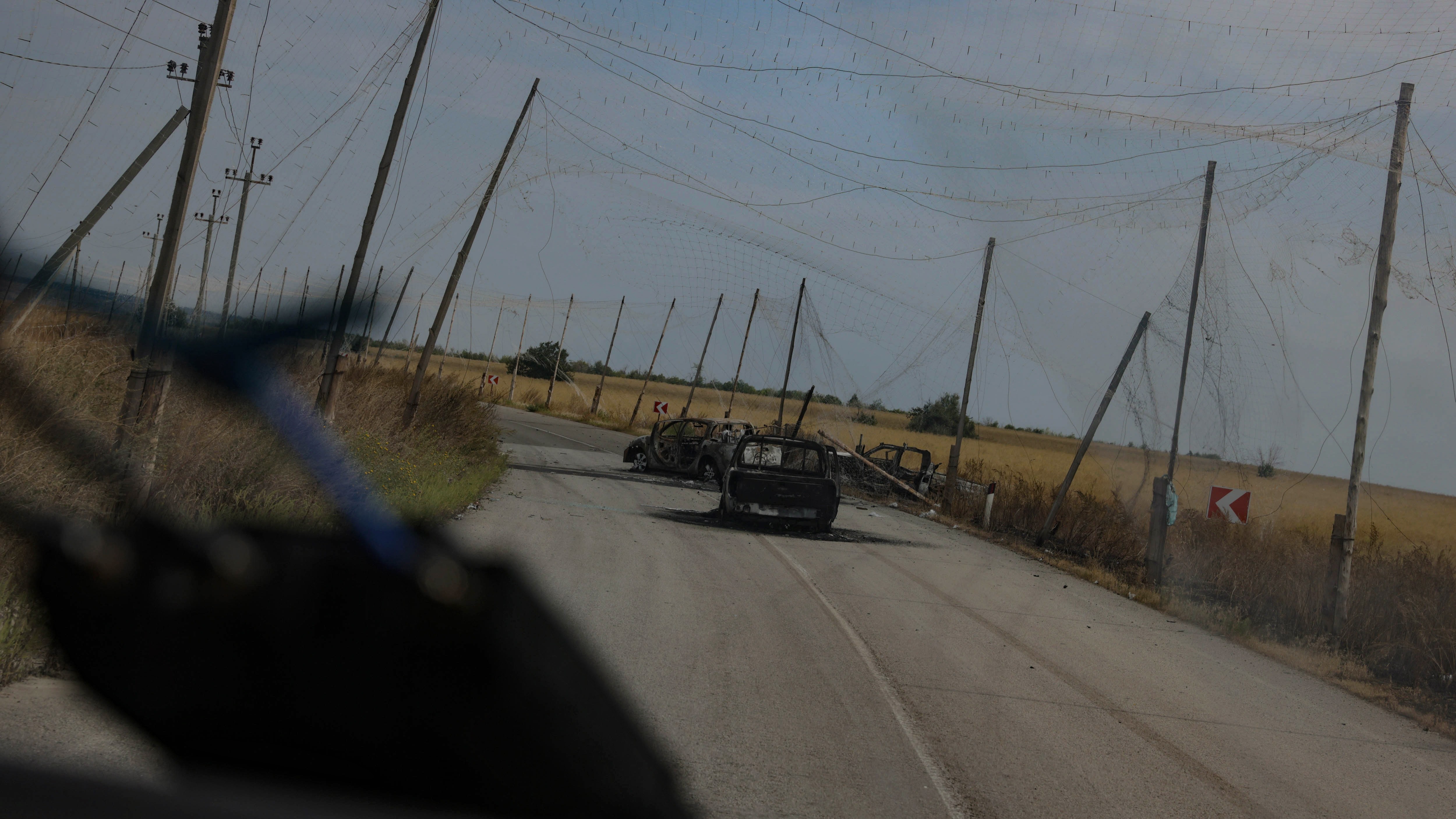
Unmanned ground vehicles are enabling medical evacuations for Ukrainian soldiers in previously inaccessible front-line areas. These robust, remotely operated machines are designed to withstand intense combat conditions, allowing for the safe extraction of wounded personnel from active fire zones. The development represents a significant advancement in battlefield medicine, addressing the critical need to evacuate casualties quickly and safely, even under heavy enemy fire. The vehicles, often described as 'armored sarcophagi' due to their protective capabilities, are remotely piloted by operators situated in secure locations, far from the immediate danger. This separation of the operator from the hazardous environment drastically reduces the risk to human life during evacuation missions. The technology allows for the transport of multiple soldiers at once, depending on the vehicle's configuration, and is equipped with medical supplies to provide immediate aid en route to field hospitals or other medical facilities. The effectiveness of these unmanned ground vehicles (UGVs) is particularly crucial in areas where traditional ambulance or helicopter evacuations are too dangerous or impossible due to enemy air defenses or artillery barrages. By utilizing these armored platforms, Ukrainian forces can maintain a higher tempo of operations and ensure that wounded soldiers receive timely medical attention, which is vital for improving survival rates and recovery outcomes. The integration of UGVs into medical evacuation protocols signifies a broader trend in modern warfare, where autonomous and remote-controlled systems are increasingly employed to mitigate risks to personnel and enhance operational efficiency. The specific models and manufacturers of these vehicles are not detailed, but their deployment highlights Ukraine's innovative approach to leveraging technology in defense against the ongoing conflict. The success of these missions underscores the potential of unmanned systems to transform dangerous tasks on the battlefield, offering a lifeline to soldiers in critical situations and demonstrating a significant leap forward in military medical logistics. The operational deployment of these vehicles is a direct response to the challenges posed by the current conflict, where the intensity of fighting and the nature of the terrain make traditional evacuation methods exceptionally perilous. The ability to navigate complex and dangerous environments autonomously or with remote guidance means that medical support can reach soldiers faster, reducing the time between injury and treatment, a factor known to be critical in battlefield survival. Furthermore, the psychological impact on soldiers knowing that such a robust evacuation option is available can also be significant, potentially boosting morale and operational readiness. The ongoing evolution of these unmanned medical evacuation platforms suggests a future where such technology will become a standard component of military medical support systems globally, offering enhanced safety and effectiveness in humanitarian and combat scenarios alike.
Original source — read the full reporting at the publisher:
Read on The AtlanticGet the weekly AI digest
AI news + new model releases, weekly. Drafted by our agents, reviewed by humans.