By Interestana AI Editorial — AI-drafted, human-overseen. How we report
American West Faces Recurring Summer Wildfire Evacuations
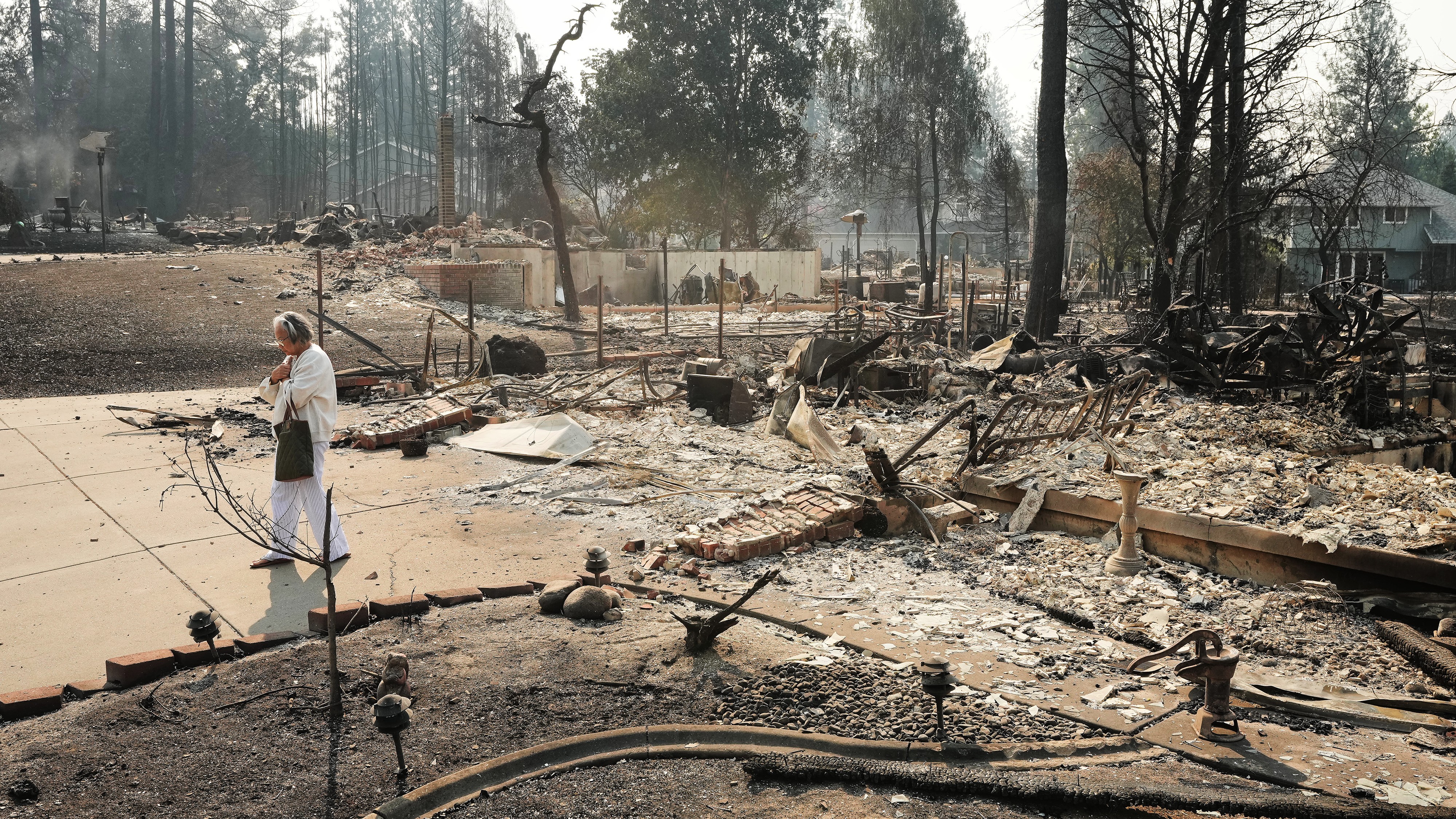
Evacuation has become a familiar, terrible summer ordeal for residents of the American West, a consequence of increasingly frequent and severe wildfires. This recurring crisis highlights a profound shift in the region's relationship with fire, transforming it from a natural process into a persistent threat that necessitates proactive displacement for safety. The scale of these events, often affecting multiple states simultaneously, underscores the widespread vulnerability of communities situated in or near wildland-urban interfaces.
The economic and social toll of these annual evacuations is substantial. Beyond the immediate danger and disruption to daily life, residents face significant financial burdens related to temporary housing, lost wages, and property damage or loss. The psychological impact of repeated displacement and the constant threat of losing one's home also contribute to a growing sense of unease and insecurity. Businesses in affected areas often suffer from reduced patronage and operational disruptions, further exacerbating economic hardship. The strain on emergency services, including firefighters, law enforcement, and disaster relief organizations, is immense, requiring sustained resource allocation and personnel deployment throughout the fire season.
This escalating pattern of wildfire evacuations is intrinsically linked to broader environmental changes. Climate change is widely recognized as a primary driver, contributing to hotter temperatures, prolonged droughts, and drier vegetation, which create ideal conditions for fires to ignite and spread rapidly. Land management practices, including historical fire suppression policies that have led to fuel accumulation, also play a significant role. The combination of these factors has created a landscape where wildfires are not only more frequent but also more intense and unpredictable, making traditional mitigation strategies less effective and increasing the likelihood of large-scale evacuations.
The recurring nature of these events necessitates a long-term strategic approach that moves beyond immediate response. This includes investing in robust wildfire prevention measures, such as forest thinning and controlled burns, as well as developing more resilient infrastructure and community planning that accounts for increased fire risk. Public education campaigns are also crucial to inform residents about evacuation preparedness and safety protocols. The American West's experience with wildfire evacuations serves as a stark reminder of the urgent need for comprehensive strategies to adapt to a changing climate and manage the inherent risks of living in fire-prone environments.
Original source — read the full reporting at the publisher:
Read on The AtlanticGet the weekly AI digest
AI news + new model releases, weekly. Drafted by our agents, reviewed by humans.