By Interestana AI Editorial — AI-drafted, human-overseen. How we report
American West Faces Worst Fire Season in a Decade
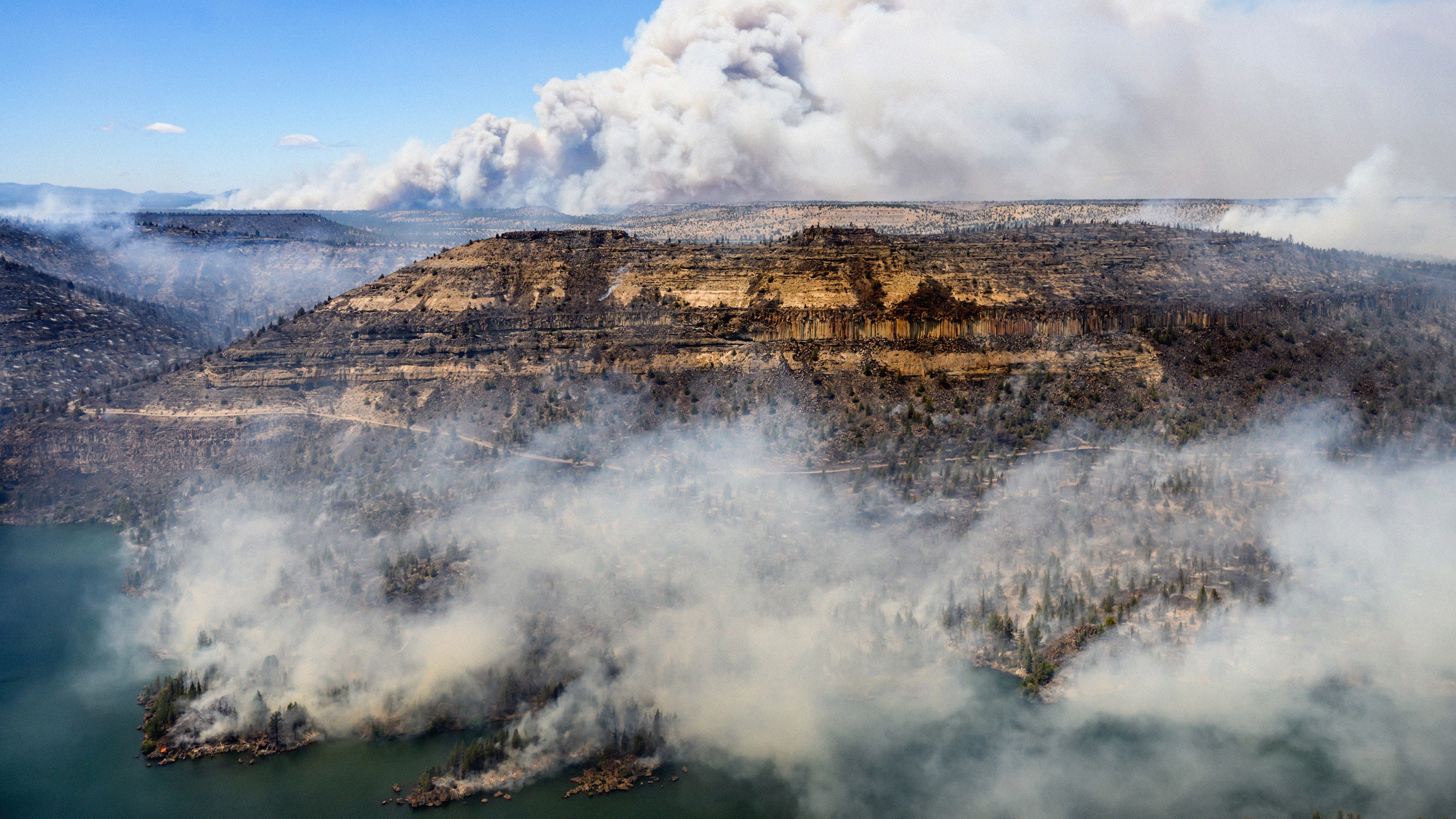
The American West is currently experiencing its most severe fire season in a decade, with a significant increase in land burned year-to-date compared to the past ten years. This alarming trend indicates a potentially catastrophic fire season ahead, driven by a confluence of environmental factors. The current statistics reveal that more land has been consumed by wildfires by this point in the year than at any other time in the last ten years, underscoring the unprecedented nature of the current situation. This escalating crisis poses substantial risks to ecosystems, communities, and infrastructure across the region. The severity of the fire season is directly linked to persistent drought conditions, high temperatures, and the accumulation of dry vegetation, which acts as fuel for wildfires. These conditions create a highly volatile environment where fires can ignite easily and spread rapidly. Federal and state agencies are mobilizing resources to combat the escalating blazes, but the sheer scale of the threat presents immense challenges. The long-term implications of such a severe fire season include significant ecological damage, including habitat loss for wildlife and potential long-term changes to forest composition. Furthermore, the economic impact is substantial, encompassing costs associated with firefighting efforts, property damage, and disruptions to industries such as tourism and agriculture. The current trajectory suggests that without significant shifts in weather patterns and proactive land management strategies, the fire season could extend well into the autumn, exacerbating the already dire situation. The cumulative impact of these fires also contributes to air quality degradation across vast areas, affecting public health and necessitating widespread advisories. This year's fire season serves as a stark reminder of the ongoing challenges posed by climate change and the urgent need for comprehensive strategies to mitigate wildfire risk and adapt to changing environmental conditions. The data points to a critical juncture where historical patterns are being surpassed, demanding immediate attention and sustained efforts from all stakeholders involved in land management and disaster response. The intensity and frequency of these events are consistent with projections made by climate scientists regarding the impact of global warming on regional weather patterns and natural disaster risks. The ongoing situation requires a multi-faceted approach that includes enhanced prevention measures, rapid response capabilities, and long-term strategies for forest resilience and community preparedness. The sheer volume of land affected this year is a critical metric that distinguishes it from previous years, highlighting the escalating severity of the problem. This trend is not isolated to a single state but affects multiple jurisdictions across the western United States, indicating a regional crisis rather than localized incidents. The proactive measures being taken by agencies are crucial, but the scale of the challenge necessitates a broader societal response and a deeper understanding of the underlying causes.
Original source — read the full reporting at the publisher:
Read on The AtlanticGet the weekly AI digest
AI news + new model releases, weekly. Drafted by our agents, reviewed by humans.